
Wenn du deinen durchschnittlichen Bestellwert erhöhst, verdienst du bei jedem Verkauf in deinem Shopify-Shop mehr Geld. Dadurch wird dein Business insgesamt profitabler. Wenn Kund:innen in deinem Shop einkaufen, kaufen sie normalerweise nur das, wonach sie ursprünglich gesucht haben.
Damit Kund:innen mehr in deinem Shop kaufen, musst du ihnen passende großartige Produkte präsentieren. So erzielst du mit einem einzelnen Verkauf mehr Umsatz und erhöhst den durchschnittlichen Bestellwert.
Was ist der durchschnittliche Bestellwert?
Der durchschnittliche Bestellwert (AOV) ist der durchschnittliche Geldbetrag, den Kund:innen bei einer Bestellung in deinem Shop ausgeben. Der durchschnittliche Bestellwert ist eine wichtige Kennzahl, die dabei hilft, dein Business zu skalieren.
Stand 2025 liegen Shopify-Shops weltweit im Schnitt bei 85–92 $ pro Bestellung, wobei das je nach Branche und Reifegrad des Shops stark variiert. Der globale durchschnittliche Bestellwert über alle Ecommerce-Branchen hinweg liegt bei etwa 145 $. Top-Performer unter den Shopify-Händler:innen erreichen AOVs von 109 $ oder mehr, während die besten Shops pro Transaktion über 120 $ liegen.
Schauen wir uns ein Beispiel an. Wenn dein Shop einen Umsatz von 1000 $ hat und die Anzahl der Bestellungen 50 beträgt, liegt dein AOV bei 20 $. Das bedeutet: Kund:innen geben im Durchschnitt 20 $ pro Bestellung aus.
Vorteile einer Erhöhung deines durchschnittlichen Bestellwerts
Das Beste daran, deinen durchschnittlichen Bestellwert zu erhöhen: Dein Umsatz und dein Gewinn steigen ebenfalls. Mehr Umsatz pro Bestellung bedeutet mehr Gesamtumsatz. Den durchschnittlichen Bestellwert zu erhöhen ist immer positiv, weil du dadurch mehr Geld in weiteres Wachstum reinvestieren kannst.
Wenn du deinen durchschnittlichen Bestellwert steigern kannst, kannst du es dir leisten, mehr für die Kundengewinnung auszugeben. 10 $ für Marketing auszugeben, wenn dein AOV bei 40 $ liegt, ist keine besonders gute Rendite, nachdem du Kosten und Steuern abgezogen hast. Je höher dein AOV, desto effizienter und profitabler wird dein Marketing.
Wenn sich deine AOV-Strategie als wirksam erweist, kannst du realistisch mehr in Marketing investieren, um weitere Kund:innen zu gewinnen.
Wenn du deine Kund:innen dazu bringst, in deinem Shop mit einem höheren AOV zu kaufen, steigt auch ihr Customer Lifetime Value (LTV). Dadurch eröffnen sich in Zukunft viele Möglichkeiten für Re-Marketing.
So erhöhst du deinen durchschnittlichen Bestellwert
Sobald dein durchschnittlicher Bestellwert deinen Zielwert erreicht hat, kannst du mehr Zeit in Marketing für neue und potenzielle Kund:innen investieren. Je mehr Kund:innen in deinem Shop zu deinem AOV einkaufen, desto mehr Einnahmen erzielt dein Business.
Es gibt zahlreiche Methoden, um den durchschnittlichen Bestellwert zu steigern. Schauen wir sie uns unten an.
Preise erhöhen
Wenn du deine Produktpreise erhöhst, erreichst du sofort einen höheren durchschnittlichen Bestellwert. Es ist sinnvoll herauszufinden, wo der Sweet Spot zwischen Bestellmenge und Preis liegt. Wenn du deine Produktpreise um 10 $ erhöhst und die Anzahl der Bestellungen deutlich sinkt, senke den Preis schrittweise, bis du den perfekten Punkt findest, an dem die Bestellungen wieder anziehen.
Es ist immer eine gute Idee, deine Wettbewerber zu analysieren und herauszufinden, welcher Preispunkt bei ihnen funktioniert. Kopiere sie nicht 1:1, aber notiere dir ihre Preise und passe deine entsprechend an.
Cross-Sell & Upsell
Relevante Produkte auf deinen Produktseiten zu bewerben, ist eine hervorragende Möglichkeit, Kund:innen zu mehr Käufen zu bewegen. Cross-Selling und Upselling sind wichtige Methoden, um deinen durchschnittlichen Bestellwert zu erhöhen. Moderne Shopify-Upsell- und Cross-Sell-Apps nutzen 2025 KI-gestützte Empfehlungen, um automatisch die relevantesten Produkte vorzuschlagen.
Bewährt hat sich, für das On-Page-Upsell passende Produkte zu zeigen, die zum Hauptprodukt passen, das sich die Kundin oder der Kunde gerade ansieht.
Beispiel: Jemand schaut sich eine Mütze an. Das On-Page-Upsell dazu könnten Handschuhe sein, die zur Mütze passen. Kauft die Person beide Produkte, steigt der durchschnittliche Bestellwert dieser Bestellung.
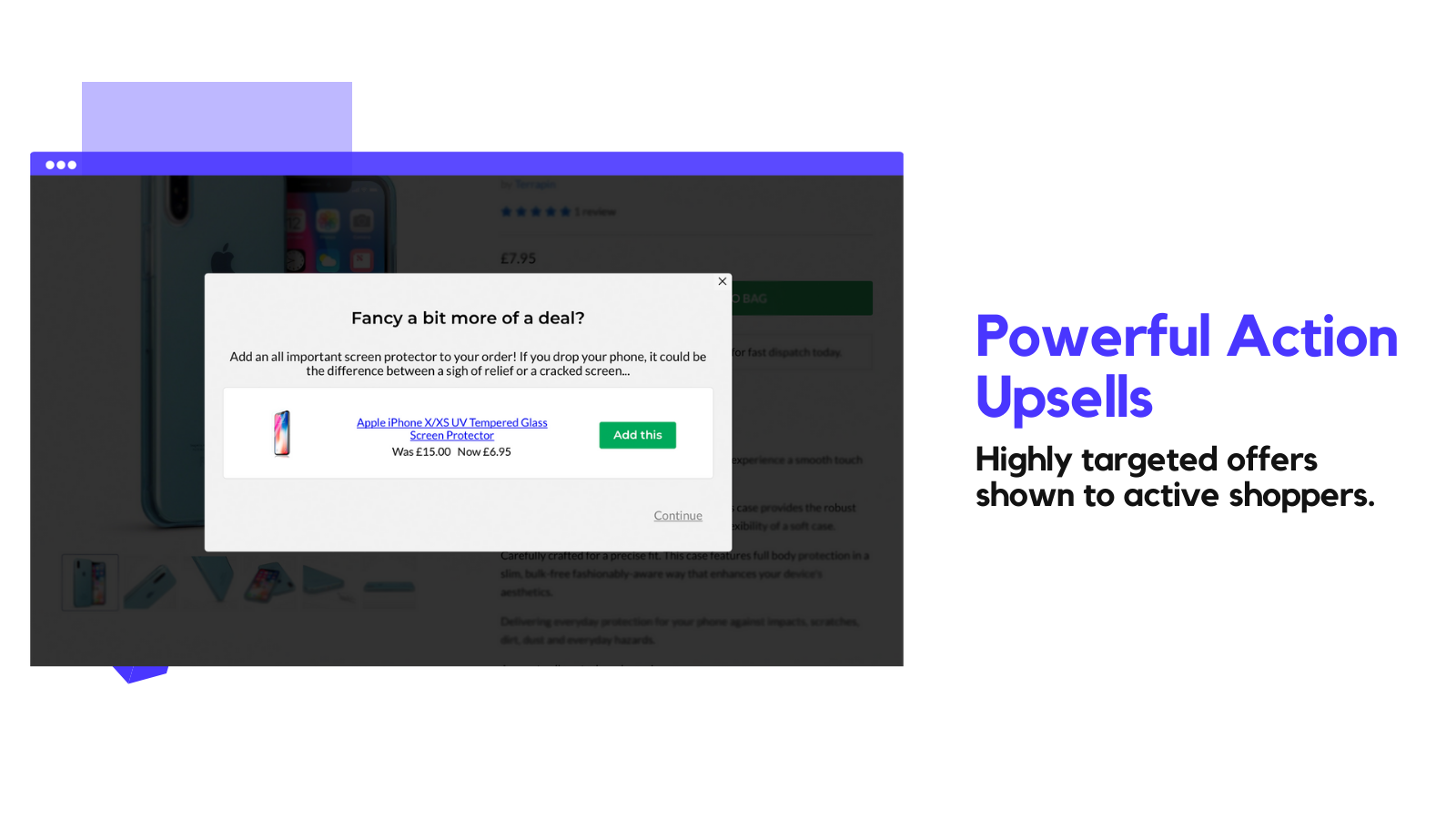
Beliebte Upsell-Apps ermöglichen auch Action-Upsells. Diese erscheinen als Popup, sobald Kund:innen ein Produkt in den Warenkorb legen. Wenn jemand zum Beispiel eine Handyhülle kauft, könnte das Upsell-Popup eine Displayschutzfolie anzeigen. Viele Kund:innen kaufen dann sowohl die Hülle als auch die Folie für zusätzlichen Schutz.
Post-Purchase-Upsells sind 2025 noch effektiver geworden: Kund:innen können nach Abschluss des ursprünglichen Kaufs mit einem Klick weitere Artikel hinzufügen. Auch das ist eine einfache Möglichkeit, deinen AOV zu steigern.
Add-on-Produkte
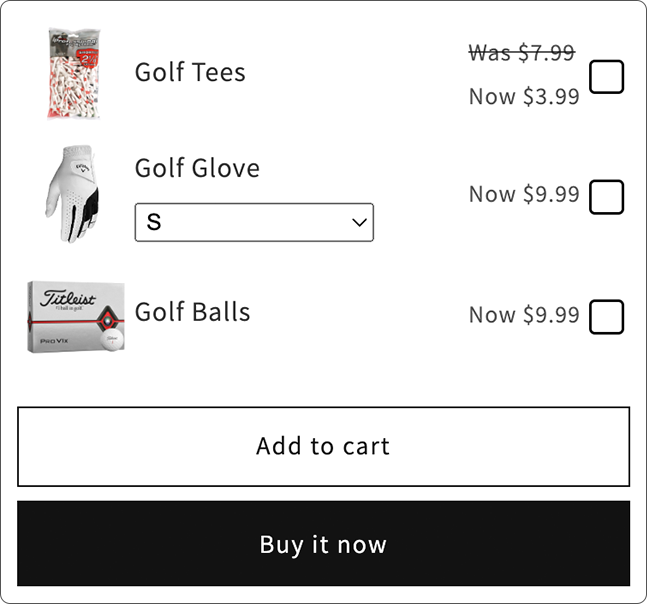
Add-ons zu erstellen ist eine großartige und einfache Möglichkeit, deinen durchschnittlichen Bestellwert zu erhöhen. Wenn du beliebte Produkte bündelst, motiviert das zu größeren Bestellungen. Produkt-Bundles gehören auch 2025 zu den effektivsten Strategien. Viele Shops zeigen „häufig zusammen gekauft“-Angebote – ähnlich wie Amazons erfolgreicher Ansatz.
Mit ansprechenden On-Page-Bundles bekommen Kund:innen eher Lust, mehr zu kaufen. Über die Checkboxen lassen sich passende Produkte mit nur einem einzigen Klick in den Warenkorb legen.
Wenn du Add-ons anbietest, kannst du mehr verkaufen. Wenn du Kund:innen zusätzlich überzeugen willst, ändere den Standard-Produkttitel in einen Call to Action oder „CTA“.
Menschen kaufen gerne noch etwas dazu, wenn du ihnen den Mehrwert zeigst. Statt „Golfbälle“ könntest du zum Beispiel schreiben: „Wie wäre es mit extra Golfbällen?“
Weniger Rabatte geben
Rabatte können zwar Bestellungen fördern, senken aber deinen AOV. Wenn du dich darauf konzentrierst, deine Produkte über klare Alleinstellungsmerkmale zu verkaufen und einen herausragenden Service zu bieten, kannst du höhere Bestellwerte erzielen – ohne ständig zu rabattieren.
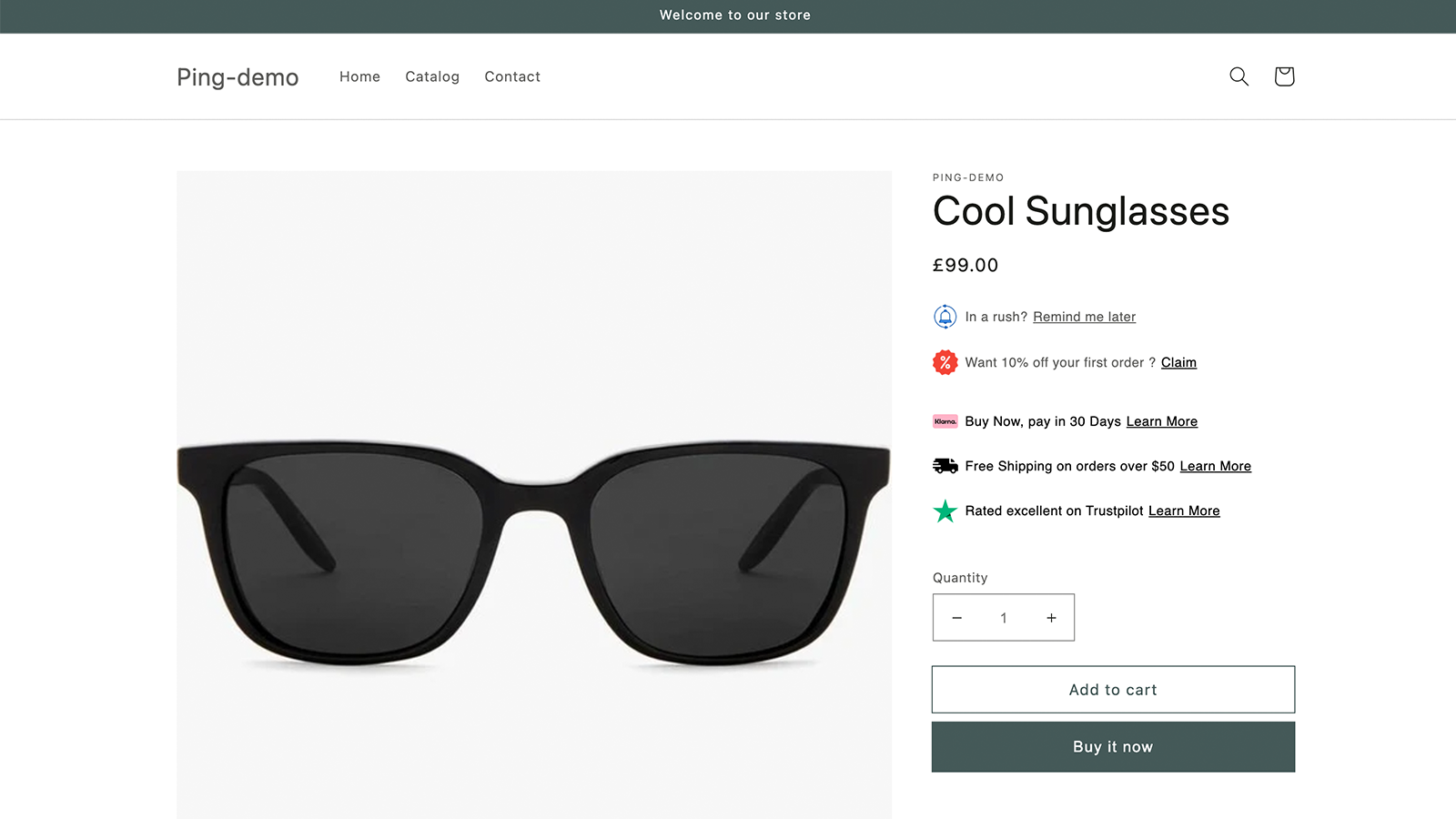
Ping gibt Händler:innen die Möglichkeit, starke Onsite-Messages für Kund:innen anzuzeigen. Es ist wichtig, jene Kund:innen abzuholen, die beim Checkout noch unsicher sind, und sie zur Conversion zu bewegen.
Zu zeigen, dass du eine vertrauenswürdige Marke bist, ist für die meisten Konsument:innen entscheidend. Zeige einfach deine Bewertungsnote, um Sicherheit zu geben, oder hebe einzigartige bzw. wichtige Verkaufsargumente hervor. Jede dieser Ergänzungen kann helfen, Kund:innen für zukünftige Käufe zu halten oder ihren AOV zu erhöhen.
Ein Loyalty-Programm einführen
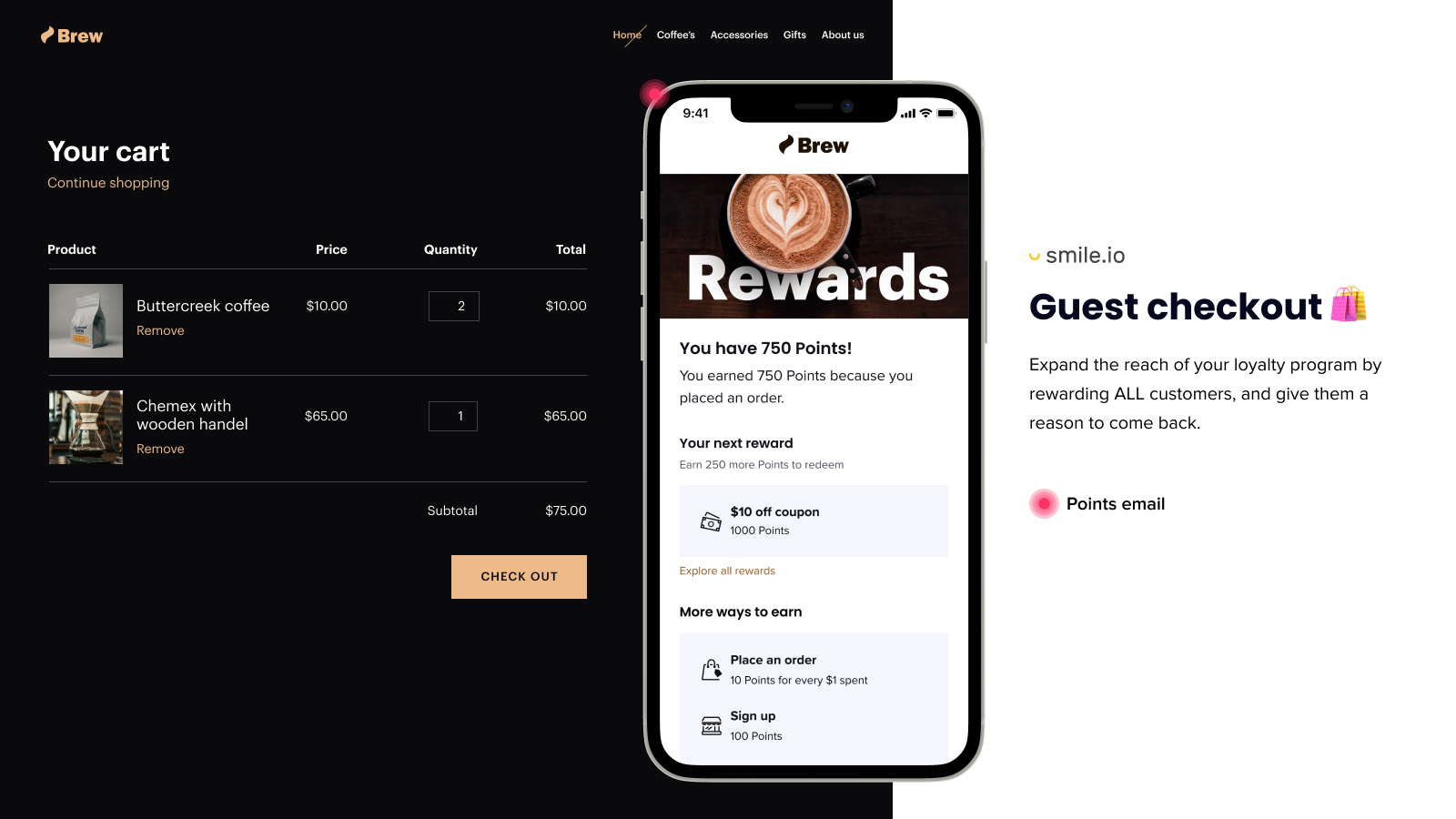
Loyalty-Programme bieten Kund:innen in der Regel Punkte. Du kannst Punkte basierend auf Warenkorbwert, Kaufhäufigkeit, geworbenen Kund:innen usw. vergeben. All diese Faktoren tragen zu einem höheren AOV bei. Smile: Rewards & Loyalty kann dir dabei helfen.
Steigere ganz einfach deine Kundenbindung mit Empfehlungen, Punkten und exklusiven Angeboten. Gib deinen Kund:innen einen Grund, in deinem Shop zu kaufen. Studien zeigen, dass Mitglieder von Loyalty-Programmen ihren durchschnittlichen Bestellwert im Vergleich zu Nicht-Mitgliedern um bis zu 70% steigern können.
Ein starkes Loyalty- und Rewards-Programm bedeutet außerdem, dass du deine Akquisekosten senken kannst. Erzeuge Social Proof durch Mundpropaganda und motiviere Kund:innen, ihre Empfehlungslinks zu nutzen, um mehr Punkte und Rabatte auf zukünftige Produktkäufe zu erhalten.
Garantie und Versicherung anbieten
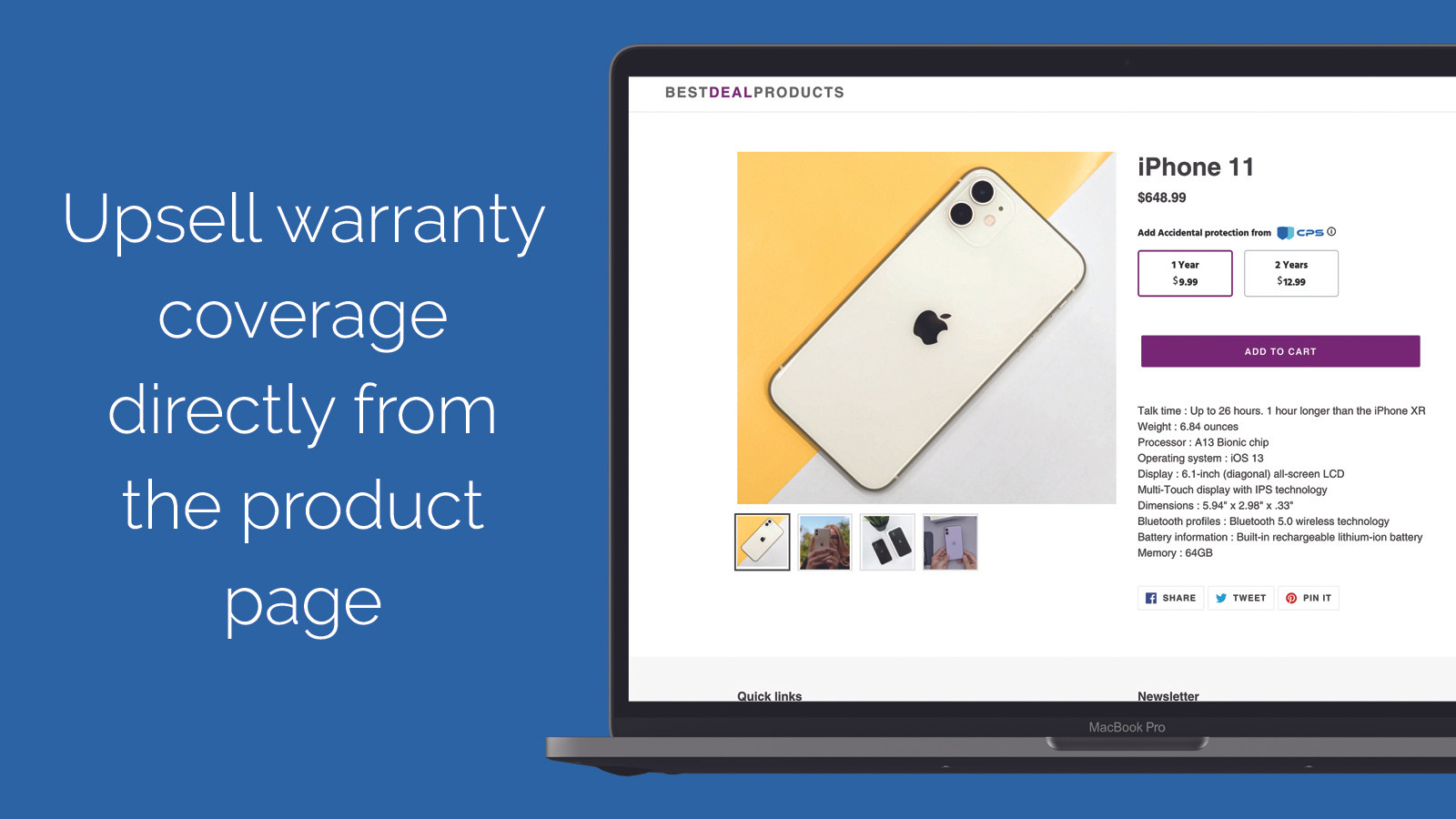
Händler:innen nutzen diese Optionen für ein besseres Gefühl – was die Bestellwerte erhöht. Biete es intern an (CPS Extended Warranty Upsell) oder lagere es an einen Anbieter aus (Mulberry Product Protection). CPS Extended Warranty Upsell ermöglicht es dir, schnell und effizient Garantien zu verkaufen.
Wenn du es schaffst, dass Kund:innen zusammen mit ihren Produkten Garantien kaufen, erhöhst du deinen durchschnittlichen Bestellwert.
Mit dieser App ist es super einfach, Garantien für Kund:innen verfügbar zu machen. Sobald deine Produkte gemappt sind, wird das Garantieangebot automatisch auf der richtigen Produktseite in Shopify angezeigt. Kund:innen können die Garantie dann zusammen mit dem Produkt in den Warenkorb legen.
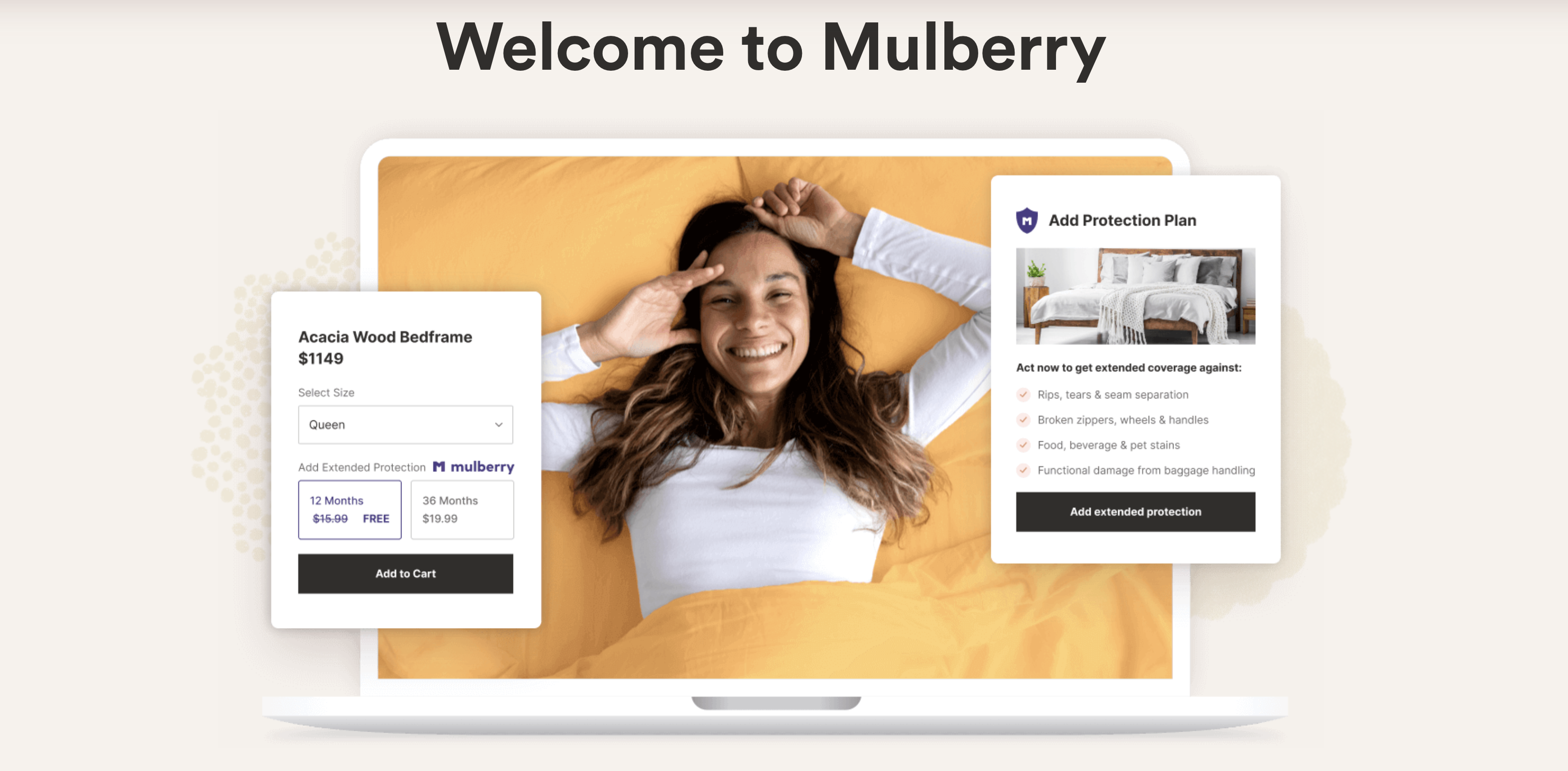
Mulberry Product Protection ermöglicht es Händler:innen, erweiterte Garantie-Angebote in die Customer Journey einzubetten. Die Integration ist über ihre individuellen Ecommerce-Implementierungen ganz einfach.
Starte dein Garantieprogramm mit mehreren Platzierungsoptionen – zum Beispiel auf Produktseiten und im Warenkorb der Kund:innen sowie auf Post-Purchase-Seiten und in E-Mail-Kampagnen.
Garantien anzubieten ist eine weitere fantastische Möglichkeit, deinen durchschnittlichen Bestellwert zu erhöhen und gleichzeitig Vertrauen in deine Marke aufzubauen.
Premium-Versandservices
Premium-Versandservices mit Express-Optionen anzubieten, ist eine großartige Möglichkeit, Bestellungen mehr Wert zu geben.
Kund:innen wählen diese schnelleren Versandoptionen immer dann, wenn sie ihre Artikel früher erhalten möchten – und sind bereit zu zahlen für den Express-Service. Pirate Ship sorgt dafür, dass du die besten Versandtarife bekommst. Niemand möchte mehr zahlen als nötig.
Greife ganz einfach auf Geschäftskundentarife für alle Servicearten zu. Erkläre deinen Kund:innen die Vorteile, warum sie schnelleren Versand wählen sollten, um ihre Artikel früher zu erhalten. Niemand muss heute noch eine Woche auf eine Bestellung warten. Eine weitere beliebte Strategie 2025 ist es, Schwellenwerte für kostenlosen Versand auf der gesamten Website anzuzeigen, um Kund:innen dazu zu bewegen, mehr Artikel in den Warenkorb zu legen, um sich zu qualifizieren.
„Trinkgeld“ im Checkout aktivieren
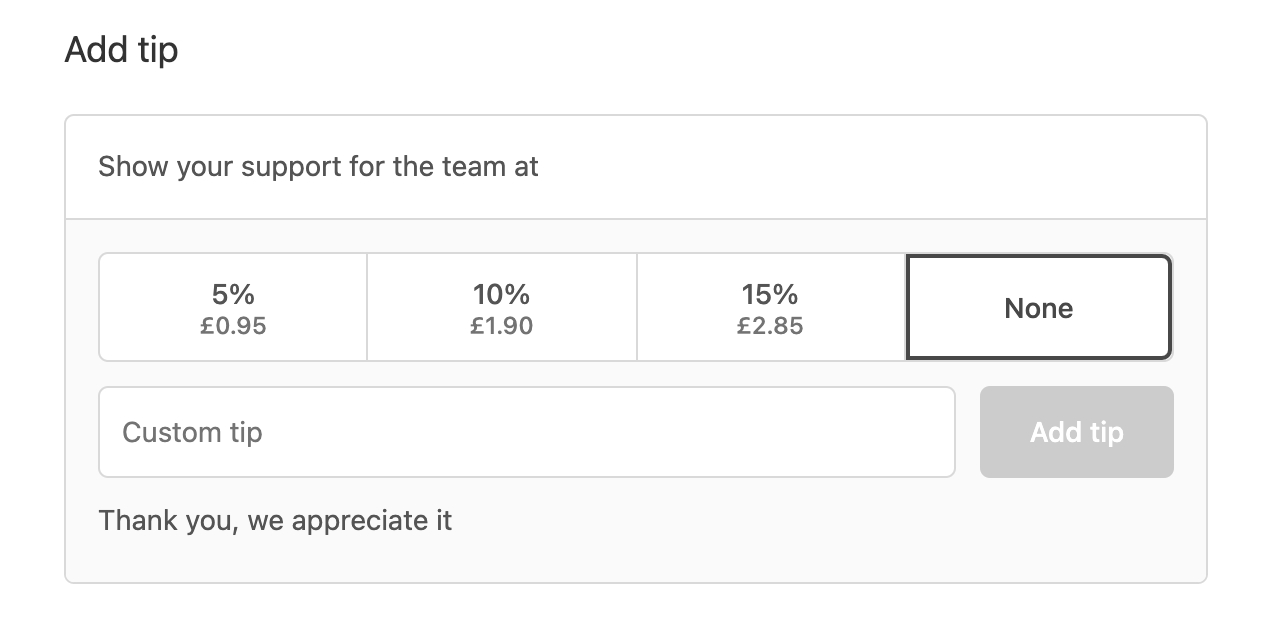
Gib Kund:innen die Möglichkeit, ein Trinkgeld zu geben. Und warum nicht? Du und dein Team arbeitet extrem hart, damit Kund:innen ihre Bestellungen erhalten – warum also nicht im Checkout um ein Trinkgeld bitten.
Du kannst es in Shopify mit einem Klick einrichten. Online-Trinkgeld gibt Kund:innen die Möglichkeit, auf der Zahlungsseite beim Checkout ein Trinkgeld zur Bestellung hinzuzufügen. Das Trinkgeld kann prozentual oder als individueller Betrag hinzugefügt werden. Diese Funktion steht allen Shopify-Händler:innen zur Verfügung und kann aktiviert werden, indem du in deinem Shopify-Admin zu Einstellungen > Checkout gehst.
Fazit
Wie wichtig es ist, deinen durchschnittlichen Bestellwert zu erhöhen, zeigt sich in vielen Bereichen – etwa bei Umsatz und Verkäufen. Dein durchschnittlicher Bestellwert kann sich ändern, wenn du Produkte in deinen Onlineshop aufnimmst oder entfernst. A/B-Tests, um den Sweet Spot zwischen Bestellungen und Preis zu finden, sind entscheidend – denn zu hoch bepreiste Produkte verkaufen sich nicht.
Setzt du den Preis zu niedrig an, kaufen Konsument:innen ebenfalls seltener, weil es als „zu billig“ wahrgenommen wird. Du musst den Mittelweg finden. Nutze deine Wettbewerber als Orientierung, um ein Gefühl dafür zu bekommen, wie du deine Produkte bepreisen solltest.
Ein höherer AOV bedeutet, dass du mehr in Marketing investieren kannst, um neue Kund:innen zu gewinnen. Das ist entscheidend, um dein Business erfolgreich zu machen. Mehr Kund:innen bedeutet auch, dass du sie später erneut ansprechen kannst – mit neuen, spannenden Produkten, die ihre Aufmerksamkeit wecken. Wenn du deine bestehenden Kund:innen bei Laune hältst, steigt zwangsläufig auch ihr Lifetime Value.
Upsells und Bundles helfen dir dabei, deinen AOV zu erhöhen. Upselle relevante Produkte auf deinen Produktseiten, um Kund:innen zu mehr Käufen zu motivieren. Erstelle Produkt-Bundles, denen Kund:innen nicht widerstehen können, indem du zeigst, wie viel sie sparen. Menschen lieben es, Geld zu sparen – das ist also ein großartiger Weg für sie, und gleichzeitig profitierst du als Händler:in.
Füge Trust Badges zu deiner Website hinzu sowie wichtige Botschaften, die Konsument:innen zur Conversion bewegen. Ein fantastisches Loyalty-Programm zahlt ebenfalls darauf ein. Kund:innen lieben es, Punkte zu sammeln und Rabatte auf Produkte zu erhalten. Je mehr sie kaufen, desto mehr Punkte bekommen sie. Das ist ein starker Anreiz.
Es gibt mehrere Methoden, die du als Händler:in nutzen kannst, um deinen durchschnittlichen Bestellwert zu erhöhen. Deinen AOV zu berechnen hilft dir wirklich dabei zu verstehen, wie gut dein Shop performt. Nachdem du deinen AOV berechnet hast, teste einige der oben genannten Strategien, um ihn zu steigern.