
Come merchant Shopify, sei sempre alla ricerca di modi per semplificare il tuo negozio online, rendendolo allo stesso tempo accattivante e funzionale per i tuoi clienti. Ma cosa succede quando alcune varianti di prodotto non sono disponibili temporaneamente, oppure vuoi testare un nuovo articolo senza impegnarti del tutto?
Eliminare queste varianti potrebbe sembrare una scelta drastica, soprattutto se prevedi di riproporle o di modificarne la visibilità in base al feedback dei clienti.
In questa guida ti mostreremo come nascondere le varianti di prodotto nel tuo store Shopify senza doverle eliminare.
Che tu stia gestendo articoli stagionali, uscite esclusive o voglia semplicemente rendere più pulito l’aspetto del tuo store, ci pensiamo noi.
Entriamo nel vivo e scopriamo come mantenere il tuo store Shopify versatile e a misura di cliente.
Nascondere varianti di prodotto selezionate da una selezione invece di eliminarle
Questo scenario richiede flessibilità nel modo in cui i prodotti vengono mostrati. Invece di rimuovere in modo permanente varianti temporaneamente non disponibili, i merchant più attenti cercano metodi per nascondere questi articoli, mettendoli di fatto in secondo piano finché non possono essere riassortiti.
L’obiettivo è chiaro: mantenere un’esperienza d’acquisto efficiente e facile da usare, senza la seccatura di eliminare i prodotti e poi doverli ripristinare.
Ecco tre modi efficaci per nascondere varianti di prodotto selezionate:
Metodo 1: usare Shopify in modo nativo
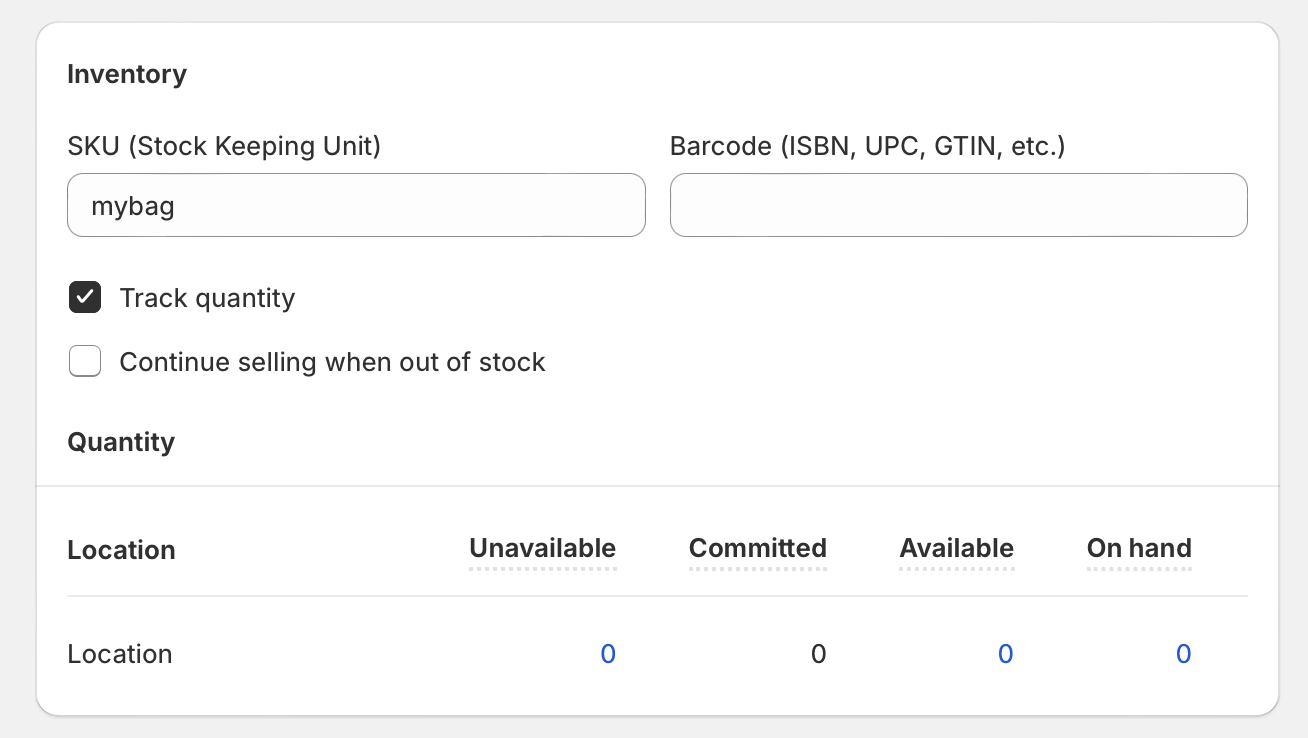
Vai nell’Admin del tuo store e segui questi passaggi:
- Vai su Products > Edit. Apri la pagina di modifica della variante
- Scorri fino alla sezione Variants e clicca sulla variante che vuoi nascondere
- Seleziona “Track Quantity” nella sezione Inventory
- Deseleziona la scheda “Continue selling when out of stock”
- Imposta “Available” su 0 sotto Quantity (compare dopo Tracking quantity)
- Clicca su Save
Questo metodo è semplice e non richiede conoscenze di programmazione. Tuttavia, funziona solo per nascondere le varianti esaurite ed è dipendente dal tema: alcuni temi potrebbero disabilitare queste opzioni invece di nasconderle del tutto.
Metodo 2: usare Shopify Flow (per piani avanzati)
Shopify Flow è ora disponibile per tutti i merchant Shopify con piani Basic, Shopify, Advanced e Plus. Questo strumento di automazione ti consente di nascondere e rendere nuovamente visibili le varianti automaticamente in base ai livelli di inventario.
Per usare Shopify Flow:
- Installa Shopify Flow dallo Shopify App Store (se non è già disponibile)
- Esplora la libreria di template e seleziona “Publish and unpublish products based on inventory level”
- Personalizza il workflow in base alle tue esigenze di inventario
- Attiva il workflow
Il vantaggio principale è l’automazione e la personalizzazione. Tuttavia, uno svantaggio è che, se nascondi un prodotto, i visitatori potrebbero incontrare errori 404 se provano ad accedere direttamente alla pagina prodotto.
Metodo 3: usare un’app di terze parti
Esistono diverse applicazioni di terze parti che ti offrono la possibilità di nascondere prodotti e varianti esauriti. Queste app garantiscono maggiore flessibilità, automazione e compatibilità con i temi rispetto ai metodi nativi.
Le opzioni più popolari nel 2025 includono:
- Nada: Sort & Hide Out-of-Stock – Nasconde automaticamente i prodotti esauriti e crea reindirizzamenti SEO-friendly
- Push Down & Hide Out of Stock – Sposta gli articoli esauriti in fondo alle collezioni o li nasconde completamente
- Out-of-Stock Police (StockIQ) – Spinge in basso o nasconde i prodotti esauriti con regole di visibilità personalizzabili
- Camouflage: Hide Sold Variants – Progettata specificamente per nascondere le varianti di prodotto in base a diverse condizioni
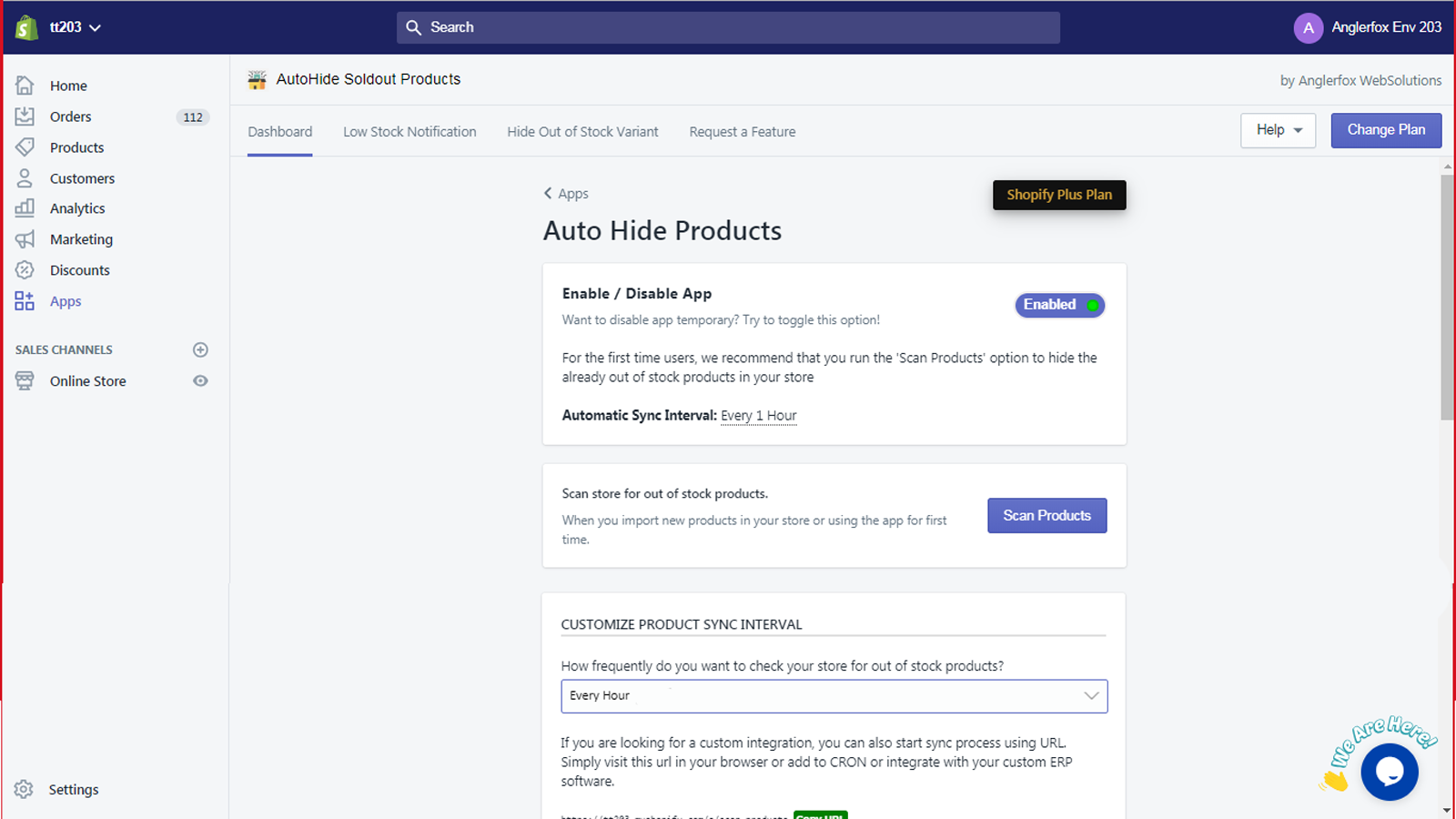
Queste app in genere offrono funzionalità come monitoraggio dell’inventario in tempo reale, ripubblicazione automatica quando gli articoli tornano disponibili, possibilità di modifica in blocco e avvisi email per articoli con scorte basse. Molte propongono piani gratuiti per store con pochi prodotti e piani a pagamento a partire da circa $4.99-$6.99 al mese.
Considerazioni importanti
Quando nascondi le varianti, tieni presente:
- Le varianti nascoste restano nel tuo admin – Puoi comunque gestire l’inventario, modificare i dettagli o renderle di nuovo visibili in qualsiasi momento
- Implicazioni SEO – Le varianti nascoste non verranno indicizzate dai motori di ricerca, ma resteranno nel database del tuo store per una futura riattivazione
- Compatibilità con il tema – Alcuni temi potrebbero gestire le varianti nascoste in modo diverso, quindi fai sempre dei test prima di implementare
- Esperienza cliente – Nascondere le opzioni non disponibili crea un’interfaccia d’acquisto più pulita e intuitiva e può migliorare i tassi di conversione