Adding a quiz to Shopify is usually easiest with a dedicated quiz app. In most stores, the fastest route is to install a Shopify quiz app, build your questions and product logic, then publish the quiz on a page, product page, homepage section, or popup.
I build Shopify apps for a living, so I look at this from both sides: merchant usability and theme compatibility. In practice, the best setup is the one that gets your quiz live quickly, matches products accurately, and does not create a maintenance headache six months later.
If you are trying to add a product recommendation quiz, a lead capture quiz, or a simple questionnaire on Shopify, this guide walks through the exact options, setup steps, and mistakes to avoid.
Can you add a quiz to Shopify?
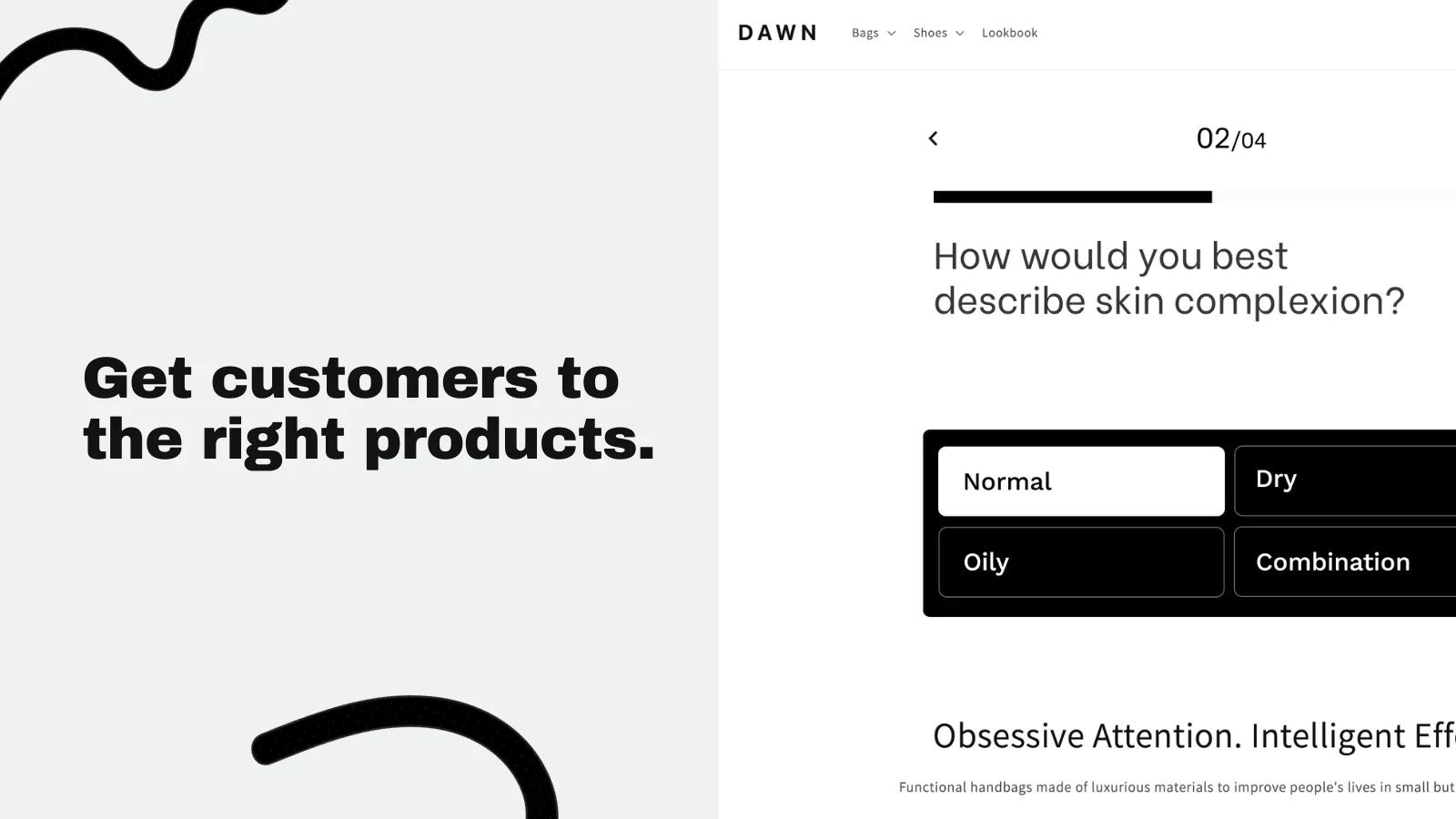
Yes, you can add a quiz to Shopify using an app, embed code, or custom Liquid. For most merchants, an app is the best option because it handles logic, design, analytics, and product recommendations without needing ongoing developer work.
This is why most of the top-ranking results for this keyword are app pages or help docs from quiz platforms like Quizify, Octane AI, and Interact. They all solve the same core problem: getting a quiz onto a Shopify storefront without custom development.
In my experience building Shopify apps, merchants usually want one of three outcomes: better product discovery, more email leads, or higher conversion rates. A good quiz can support all three if you map the questions properly.
Why add a quiz to your Shopify store?
A quiz helps shoppers choose faster, which can improve conversion rate and average order value. It also gives you first-party data you can use for merchandising, segmentation, and follow-up marketing.
That matters more than ever. As paid traffic gets more expensive and third-party tracking gets weaker, zero-party data and first-party intent signals become much more valuable. A quiz is one of the cleanest ways to collect them.
How does a quiz improve the shopping experience?
A quiz improves the shopping experience by reducing choice overload. Instead of forcing visitors to browse dozens of products, it narrows the catalogue to the most relevant options.
This works especially well for stores selling skincare, supplements, haircare, fashion bundles, gifts, pet products, and technical products with lots of variants. If your store already relies on guided selling, a quiz is often more effective than a static collection page.
I have seen quizzes work best when they answer a real buying question, such as "Which product is right for me?" or "What bundle should I start with?". If the quiz feels gimmicky, completion drops fast.
What data can you collect from a Shopify quiz?
A Shopify quiz can collect preference data, contact details, product intent, and buying context. That data can then feed your email platform, CRM, or remarketing workflows.
- Product preferences - skin type, goals, size, colour, budget, use case
- Lead details - email address, phone number, consent status
- Commercial intent - urgency, budget, category interest
- Segmentation data - beginner vs advanced, gift buyer vs self buyer
Done properly, quiz answers can become some of your most useful customer attributes. They are often more actionable than generic analytics events because the customer tells you exactly what they want.
For stores focused on personalised selling, quizzes pair well with tailored upsells and add-ons. If that is your angle, see How to Display Customizable Add-Ons & Upsells on Shopify and How to Create Product Add-Ons for Your Shopify Store: 2 Easy Methods That Actually Work.
How can a quiz increase revenue?
A quiz can increase revenue by improving product matching, capturing leads earlier, and reducing hesitation before checkout. In many stores, that means better conversion rates and fewer abandoned sessions.
Industry-wide figures vary by niche, but a useful benchmark is that many ecommerce stores still convert in the low single digits. When a quiz helps the right shopper land on the right product faster, even a modest lift can be commercially meaningful.
How does a quiz improve conversion by matching products?
Product recommendation quizzes improve conversion because they replace browsing with guided selection. Instead of making the customer do the work, the store does the filtering.
That matters on stores with broad catalogues or technical choice. If a shopper is unsure which serum, supplement, mattress, bundle, or subscription is right, a quiz can remove enough friction to push them toward purchase.
- Better relevance - the result feels tailored rather than generic
- Higher confidence - the customer understands why the product was recommended
- Faster path to cart - fewer pages and less comparison fatigue
In my own testing across Shopify stores, the strongest quizzes usually keep it to 5 to 8 questions, explain the result clearly, and link directly to a product or bundle. Long quizzes with weak logic almost always underperform.
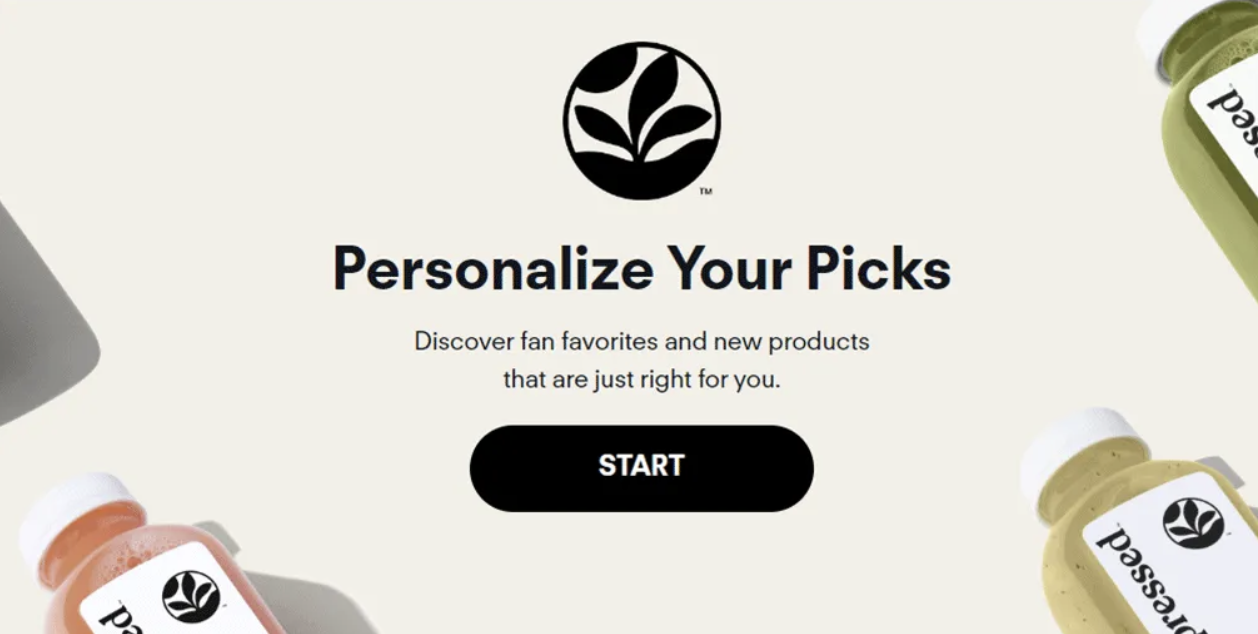
Can quizzes reduce cart abandonment?
Yes, quizzes can reduce cart abandonment indirectly by resolving uncertainty earlier in the journey. They work best before the cart stage, when the shopper is still deciding what to buy.
Global cart abandonment rates remain high, often quoted at around 70% across ecommerce studies. A quiz will not solve every abandonment issue, but it can reduce one of the biggest causes: indecision.
If a customer reaches the cart already convinced the product fits their needs, they are less likely to leave to compare alternatives. That is why quizzes often perform well alongside upsell tools, post-purchase surveys, and social proof layers.
For related tactics, you might also like How to Create Post Purchase Surveys for Your Shopify Store and How to Create a "Complete the Look" Section in Shopify.
What is the best way to add a quiz to Shopify?
The best way to add a quiz to Shopify is with a dedicated quiz app from the Shopify App Store. It is the quickest option for most merchants and usually gives you better design controls, analytics, and integrations than a manual embed.
You can still use custom code or third-party embed tools, but those routes are usually better for teams with a developer or a very specific design requirement.
| Method | Best for | Pros | Cons |
|---|---|---|---|
| Shopify quiz app | Most merchants | Fast setup, product logic, analytics, easier publishing | Monthly app cost on some plans |
| Embed code on a page | Using Interact, Jotform, ConvertFlow or similar | Flexible, can reuse external quiz tools | Can need Custom Liquid, styling tweaks, extra testing |
| Custom-coded quiz | Advanced stores with developers | Full control over UX and logic | Highest maintenance and build cost |
How do I add a quiz to Shopify step by step?
To add a quiz to Shopify, install a quiz app, build the questions, connect answers to products, customise the design, and publish it to a page or section. That is the core workflow regardless of which app you choose.
Here is the process I recommend if you want the simplest, most reliable setup.
1. Choose a Shopify quiz app
Start by choosing an app that matches your use case. If your goal is product recommendations, do not settle for a generic form builder unless it can actually map answers to products cleanly.
Popular options in the current search results and research include Quizify, Quizive, Revenue Hunt, and external embed tools like Interact and ConvertFlow.

I am obviously close to this category because I build Shopify apps myself, but that also means I know how much support burden bad app UX creates. Choose the app that makes setup obvious, not the one with the longest feature list.
2. Install the app and approve permissions
Install the app from the Shopify App Store and review permissions before approving. Most quiz apps need access to products, theme app extensions, and sometimes customer or order-related data depending on features.
Always install on a duplicate theme first if you are cautious about live storefront changes. That is especially sensible if your theme has lots of custom code or if you are close to a campaign launch.
3. Create your quiz structure
Build the quiz around one buying decision. A quiz that tries to do too much usually confuses users and weakens the recommendation logic.
- Create a welcome screen with a clear benefit
- Add 5 to 8 questions where possible
- Use answer options that map cleanly to products or collections
- Create a results page with recommended products and a clear CTA
A good opening line is usually benefit-led, such as "Find your best routine in 60 seconds" or "Get your ideal bundle". Generic intros like "Take our quiz" are weaker than most merchants realise.
4. Link answers to products or collections
This is the most important step. Your quiz only drives revenue if the answer logic produces relevant recommendations.
Most dedicated quiz apps let you assign products directly to answer combinations, tags, scores, or branching logic. If your app supports it, I recommend starting simple with category-level mapping before building more advanced conditional paths.
For example, a skincare store might route users by skin type, primary concern, and routine preference. A supplement store might use goal, format preference, and dietary restrictions.
If quizzes are part of your product discovery strategy, these guides may help too: Boost Your Supplement Sales with the Shopify Quiz Playbook and Skincare Matchmaking with a Quiz: Personalize Recommendations for Shopify.
5. Customise the design to match your store
Your quiz should look native to the storefront. Matching fonts, colours, button styles, and spacing can make a big difference to completion rate.
At minimum, customise:
- Heading and body fonts
- Brand colours for buttons and progress bars
- Button copy such as Start, Next, See Results
- Mobile spacing and image sizing
In my experience, merchants often overfocus on animations and underfocus on readability. On mobile, clarity beats cleverness almost every time.
6. Publish the quiz on a page, homepage, popup or section
Most quiz apps let you publish in more than one way. The best placement depends on whether the quiz is a core buying tool or a secondary lead generation asset.
| Placement | Best use case | Notes |
|---|---|---|
| Dedicated page | Best all-round option | Easy to link from nav, ads, email and product pages |
| Homepage section | High-traffic stores with guided selling | Great visibility, but keep intro concise |
| Popup | Lead capture and campaign traffic | Use carefully to avoid harming UX |
| Product page block | Complex catalogues | Useful when shoppers need help choosing variants or alternatives |
The most common setup is a dedicated page added to the main navigation. That is also the easiest for SEO, paid traffic, and email campaigns.
How do I embed a quiz into a Shopify page?
To embed a quiz into a Shopify page, create a page in Shopify and paste the app's embed code or app block where supported. This is the method many help docs from Interact and Octane AI recommend.
If your app gives you a direct Shopify integration, use that first. If not, use the embed code method below.
Method 1: Add a quiz to a Shopify page with app blocks or theme integration
This is the easiest method when the app supports Online Store 2.0 app blocks or app embeds. It avoids manual code pasting and is usually more stable after theme updates.
- In Shopify admin, go to Online Store > Themes > Customise
- Open the template where you want the quiz
- Click Add section or Add block
- Select the quiz app block if available
- Choose the quiz and save
This is the cleanest route if your app supports it. It is also the easiest for non-technical teams to maintain later.
Method 2: Add a quiz to a Shopify page with embed code
Use embed code when your quiz tool gives you JavaScript, HTML, or Liquid rather than a native Shopify block. This is common with external tools like Interact or some no-code builders.
- In Shopify admin, go to Online Store > Pages
- Click Add page
- Give the page a title such as Find Your Match
- Paste the provided embed code into the page or a Custom Liquid section, depending on the app instructions
- Save and preview on desktop and mobile
- Add the page to your navigation menu
Some tools specifically recommend using a Custom Liquid section in Online Store 2.0 themes. Shopify's own theme architecture makes this a practical option, but you should still test for spacing, script conflicts, and mobile rendering. You can review Shopify theme guidance in the Shopify Help Centre.
What are the best quiz apps for Shopify?
The best Shopify quiz app depends on whether you need simple product recommendations, advanced logic, or lead capture integrations. For most stores, ease of setup matters just as much as features.
Here is a practical comparison based on the tools appearing in search results and current research.
| App | Best for | Key strengths | Link |
|---|---|---|---|
| Quizive | Merchants wanting a Shopify-native quiz builder | AI-assisted setup, product recommendation use cases, straightforward store integration | View app |
| Quizify | Established stores comparing popular App Store options | 4.7 stars, free plan available, user-friendly builder | View app |
| Revenue Hunt | Merchants wanting guided product finder experiences | Product finder focus, embed options, tutorial-led onboarding | Find app |
| Interact | Brands using external quiz software | Flexible embed flow, lead generation focus | Help guide |
| Octane AI | Larger brands with advanced quiz and data workflows | Strong Shopify embedding docs, established DTC presence | Help guide |
If you want a broader shortlist, I have also covered this topic here: 8 Best Quiz Apps for Shopify in 2026.
How do I choose the right quiz app for my store?
Choose a quiz app based on your catalogue complexity, required integrations, and how you want to publish the quiz. The right app for a three-product skincare brand is not the same as the right app for a 2,000-SKU supplement store.
When I evaluate Shopify apps, I look at five things first:
- Logic flexibility - can it handle branching, scoring, or answer-product mapping?
- Publishing options - page, popup, homepage, product page, landing page
- Theme compatibility - especially with Online Store 2.0
- Integrations - Klaviyo, Mailchimp, CRM, webhooks, analytics
- Support quality - because setup questions always happen
A free plan is useful, but I would not choose on price alone. A cheap quiz that is hard to maintain costs more in lost sales than a better app with a sensible monthly fee.
What makes a Shopify quiz actually convert?
The highest-converting Shopify quizzes are short, specific, and tied to a clear buying outcome. Good design helps, but the logic and offer matter more.
These are the patterns I see repeatedly in quizzes that perform well:
- One clear promise - find your match, routine, bundle, shade, plan
- Short completion time - ideally under 2 minutes
- Useful result page - not just a score, but actual products with reasons
- Strong CTA - shop now, add bundle, email me my results
- Optional lead capture - ask at the right moment, not too early
One mistake I see often is forcing email capture before showing any value. That can work for some lead-gen funnels, but for ecommerce product recommendation quizzes, showing credibility first usually improves completion.
What mistakes should you avoid when adding a quiz to Shopify?
The biggest mistakes are overcomplicated logic, poor product mapping, and weak placement. Most quiz failures are strategy problems, not software problems.
- Too many questions - long quizzes lose mobile users quickly
- Vague answers - if responses are unclear, your recommendations will be weak
- Bad result pages - do not stop at "You are type B" without product context
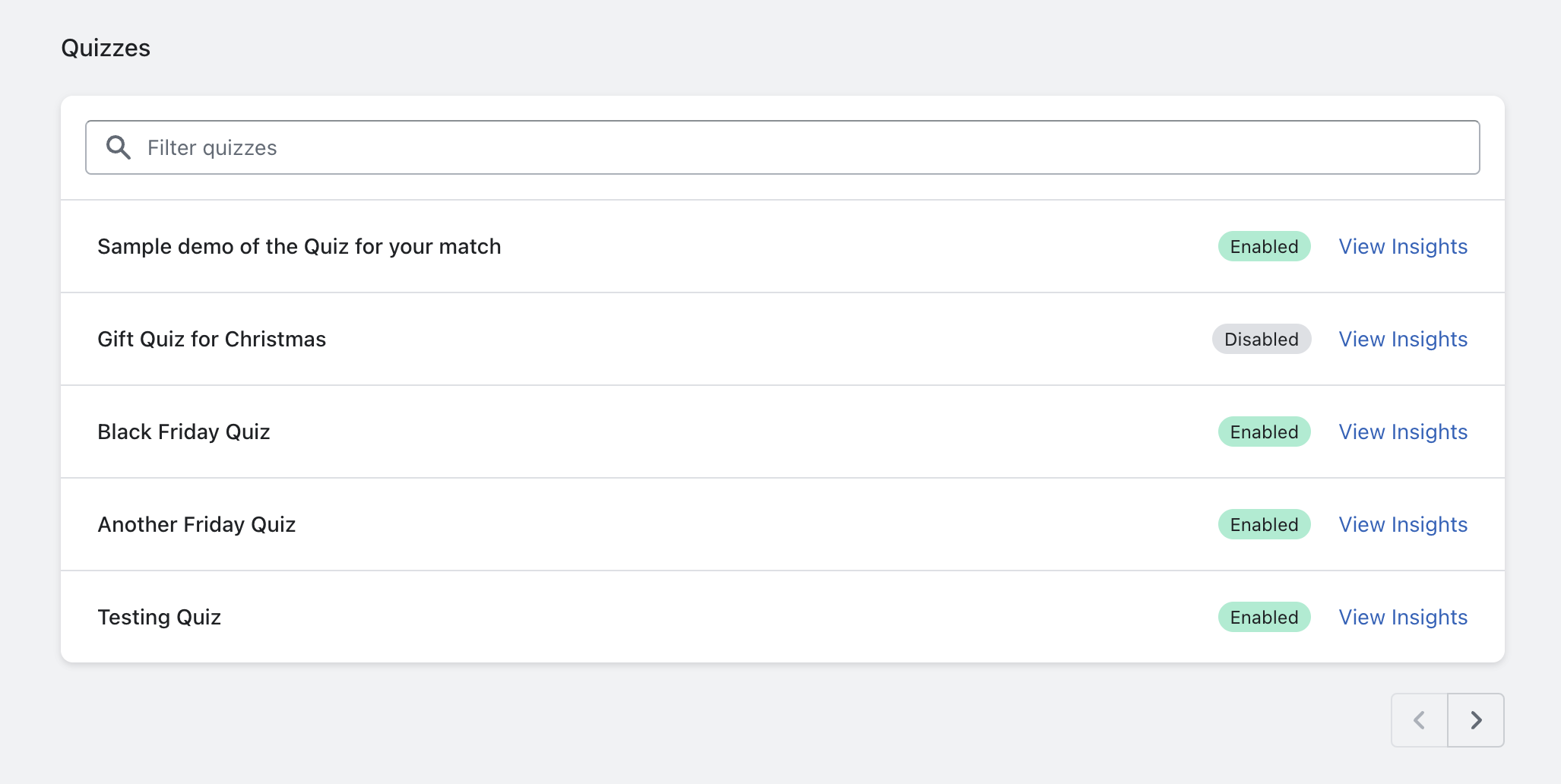
- No analytics review - monitor starts, completion rate, and result CTR
- No follow-up flow - capture data into email or CRM where relevant
In my experience, a quiz should be treated like a conversion asset, not a design extra. That means measuring it like you would any other funnel step.
Should you use an app or custom code for a Shopify quiz?
Most stores should use an app rather than custom code. Custom code only makes sense if you need a very bespoke experience and have developer resources to maintain it.
There is a reason even technically capable merchants often choose apps here. Shopify themes evolve, app blocks improve, and marketing teams need to update quiz logic without opening a Git repo.
If you do go custom, build on a duplicate theme, document the logic, and keep the scripts isolated. Otherwise, the first theme update can create a mess.
My recommended setup for most Shopify stores
For most merchants, I recommend a dedicated quiz page powered by a Shopify quiz app, linked from the main navigation and key product pages. It is simple, measurable, and easy to scale.
That setup works because it gives you a stable landing destination for ads, email campaigns, and internal links. It also avoids the annoyance of overusing popups while still making the quiz easy to find.
If you are starting from scratch, Quizive: AI Quiz Builder is worth a look for a Shopify-native route, while Quizify remains one of the more visible App Store options with a free plan available. For more custom embed-led workflows, tools like Octane AI and Interact are also common choices.
Whichever route you take, the goal is the same: help the customer choose confidently. If your quiz does that, it can become one of the highest-leverage assets on your storefront.