
Procurando apps de atendimento ao cliente de alto nível para a sua loja Shopify? Você acabou de encontrar.
Oferecer ajuda sempre que os clientes precisarem não só aumenta a confiança, como também cultiva a fidelidade.
O suporte pode ser oferecido por recursos como chat ao vivo e soluções de AI Chat, facilitando a interação em tempo real e a resolução de dúvidas. Além disso, usar apps de suporte ao cliente pode otimizar seus processos e até reduzir custos.
Felizmente, reunimos uma seleção de apps de suporte ao cliente para elevar o seu negócio. Nossas recomendações se baseiam em pesquisa aprofundada e feedback de usuários.
Vamos direto ao ponto!
1. Zendesk
Potencialize sua equipe de atendimento ao cliente com os recursos completos do Zendesk. Essa plataforma robusta coloca uma enorme quantidade de informações ao alcance dos seus agentes, garantindo que eles respondam às dúvidas dos clientes com eficiência, sem precisar sair das conversas em andamento.
Ao eliminar a necessidade de alternar entre diferentes sistemas, seus agentes ficam livres de tarefas que consomem tempo e podem dedicar energia a construir relacionamentos significativos com os clientes e resolver solicitações com rapidez.
O Zendesk centraliza todos os recursos essenciais em um só lugar, simplificando a comunicação entre você e seus clientes.
Essa abordagem unificada não só aumenta a eficiência, como também garante que cada interação seja relevante e personalizada. Com o Zendesk, sua equipe acessa uma visão completa do histórico do cliente, preferências e interações anteriores, permitindo oferecer uma experiência sob medida e de alto impacto.
Ao aproveitar o poder do Zendesk, seu atendimento ao cliente se torna um ativo estratégico para impulsionar satisfação e fidelidade.
Com tudo o que precisam na ponta dos dedos, seus agentes podem focar no que realmente importa – se conectar com os clientes, resolver problemas rapidamente e entregar um serviço excepcional que diferencia sua marca em um mercado competitivo. O Zendesk redefine o suporte ao cliente, transformando-o em um motor de crescimento e foco no cliente.
2. NoteDesk
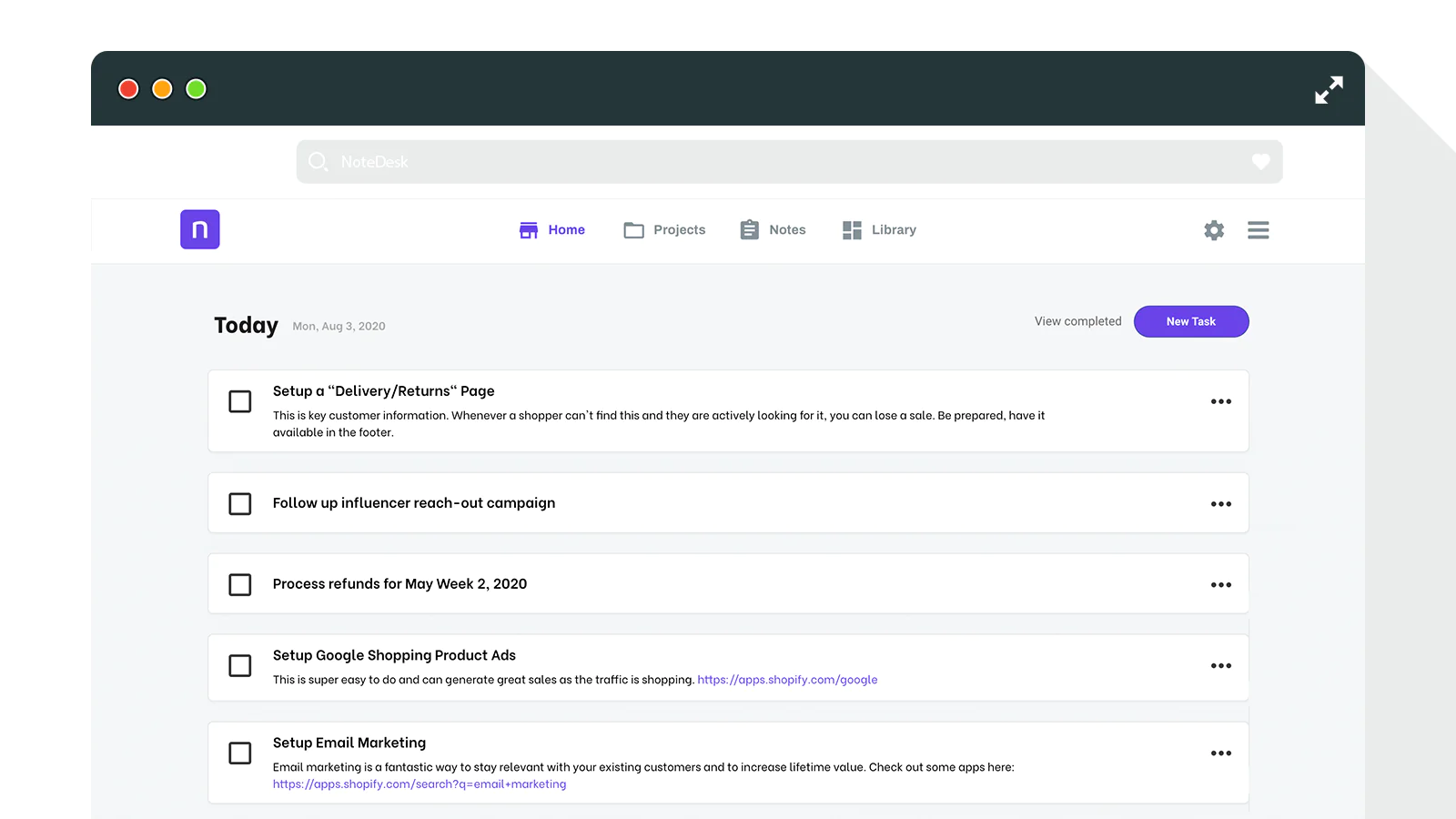
Simplifique o cenário complexo de gerenciar seu negócio na Shopify com a eficiência fluida do NoteDesk. Essa plataforma transformadora foi criada para ser sua parceira constante, otimizando cada aspecto das operações do dia a dia e oferecendo as ferramentas para navegar pelas complexidades da sua jornada no e-commerce com confiança e precisão.
Os recursos multifacetados do NoteDesk abrangem uma série de funções essenciais pensadas para otimizar seu fluxo de trabalho. No centro de tudo, o NoteDesk permite criar, gerenciar e acompanhar suas tarefas do dia a dia com facilidade. Ao centralizar sua lista de afazeres, o NoteDesk garante que nada passe despercebido, ajudando você a manter uma visão clara de prioridades e compromissos.
O recurso de planejamento de projetos é outra joia da plataforma. Com o NoteDesk, você pode planejar e gerenciar projetos com riqueza de detalhes, alinhando esforços e recursos da equipe para máxima eficiência. Essa abordagem integrada incentiva a colaboração, aumenta a visibilidade dos projetos e garante um acompanhamento de progresso sem atritos.
A função de acompanhamento de clientes do NoteDesk revoluciona a forma como você gerencia interações. Ao oferecer uma visão completa das interações, preferências e histórico, o NoteDesk permite entregar experiências personalizadas e envolventes que constroem fidelidade duradoura à marca.
A gestão de equipe também fica mais simples com a plataforma intuitiva do NoteDesk. Você pode gerenciar sua equipe com eficiência, atribuir tarefas e definir lembretes, promovendo colaboração coesa e garantindo que nenhuma tarefa fique para trás.
Um aspecto essencial do NoteDesk é seu sistema robusto de notificações. Ao configurar lembretes e alertas, você garante que nenhuma tarefa crítica ou prazo seja esquecido, mantendo excelência operacional e satisfação do cliente.
A versatilidade do NoteDesk se estende a inúmeros casos de uso, desde acompanhar reembolsos e devoluções até funcionar como uma wiki interna para compartilhamento de conhecimento. Ele também se adapta perfeitamente como uma ferramenta de CRM, ajudando você a nutrir relacionamentos e aumentar o engajamento. Além disso, o NoteDesk pode ser um grande aliado na gestão de parcerias com influenciadores e outras iniciativas estratégicas, oferecendo suporte completo em uma única plataforma. Combine isso com uma solução de chat com IA no frontend como o Chatbeam e sua loja Shopify fica pronta para lidar com tudo o que visitantes e clientes trouxerem.
Em resumo, o NoteDesk não é apenas uma ferramenta; é um parceiro para o seu sucesso. Ao centralizar tarefas, projetos, notas e interações com clientes, o NoteDesk oferece os recursos para gerenciar sua loja Shopify com eficiência. Ao adotar o NoteDesk, você se posiciona no encontro entre organização, produtividade e foco no cliente, impulsionando crescimento, eficiência e sucesso duradouro.
3. Tidio Live Chat & AI Chatbots
Leve a experiência do cliente da sua loja online a um novo patamar com os recursos de ponta do Tidio, uma plataforma inovadora de experiência do cliente criada para revolucionar a forma como você se relaciona com seu público. A missão do Tidio é clara: capacitar sua loja online a oferecer um atendimento excepcional e transformar visitantes passivos em compradores entusiasmados e engajados.
O Tidio vem com um conjunto dinâmico de ferramentas, incluindo chatbots de vendas e suporte prontos para uso com potencial de impactar significativamente sua receita.
Esses chatbots inteligentes são cuidadosamente desenvolvidos não apenas para ajudar clientes rapidamente, mas também para aumentar conversões ao engajar visitantes em conversas relevantes. Ao responder de imediato às dúvidas mais comuns, os chatbots do Tidio têm papel central em reduzir atritos para o cliente e encurtar o caminho até a compra.
Centralizar interações com clientes é um dos pilares da força do Tidio. A abordagem integrada da plataforma permite gerenciar todas as mensagens em um único lugar, fácil de acessar. Essa visão unificada oferece à sua equipe uma solução de helpdesk simplificada, porém robusta, que facilita a colaboração e a resolução eficiente de solicitações.
A integração perfeita do Tidio com a Shopify eleva ainda mais a eficiência. Ao oferecer recursos dedicados e pensados especificamente para lojas Shopify, o Tidio garante alinhamento total com seu ecossistema de e-commerce. Isso aumenta a capacidade de resposta, agilidade e efetividade da sua loja ao atender necessidades dos clientes.
4. HelpCenter | FAQ Chat Helpdesk
Eleve o papel do seu atendimento ao cliente de uma simples função de suporte para um verdadeiro centro de receita com o poder transformador do app HelpCenter. Esse aplicativo de última geração foi criado para redefinir como você se conecta com clientes, abrindo caminho para mais receita e maior satisfação.
No coração do HelpCenter está a criação de uma página de FAQ com a identidade da sua marca, que funciona como uma base de conhecimento poderosa. Esse recurso é valioso porque responde proativamente às perguntas mais frequentes, reduzindo a entrada de solicitações repetitivas na sua caixa de mensagens. Ao oferecer respostas instantâneas, você não só otimiza o atendimento como também constrói uma experiência fluida para o cliente.
A abordagem holística do HelpCenter também centraliza dúvidas de diferentes canais. De e-mail a chat e até FB Messenger, o app unifica todos os fluxos de comunicação em um único Help Desk. Essa gestão simplificada garante que nenhuma solicitação passe despercebida, assegurando uma postura rápida e atenciosa nas interações.
A disponibilidade em tempo real ganha destaque com o HelpCenter. O app oferece Live Chat e chatbots automatizados, garantindo que seu negócio esteja acessível 24/7. Clientes podem falar com sua marca em tempo real, criando conexões imediatas e resolvendo problemas rapidamente. Essa acessibilidade não só aumenta a satisfação do cliente como também abre espaço para oportunidades de upsell e cross-sell.
5. Gorgias ‑ Helpdesk & Live Chat
Amplie sua capacidade de conquistar e reter clientes com o poder transformador do Gorgias — a plataforma de atendimento ao cliente projetada com precisão para gerar receita para negócios de e-commerce em crescimento. O Gorgias não apenas responde dúvidas; é uma ferramenta estratégica para aumentar conversões, fortalecer a fidelidade do cliente e, no fim, elevar sua receita.
O Gorgias vai além do atendimento tradicional ao lidar de forma proativa com atritos no checkout. Seus recursos de autoatendimento oferecem soluções instantâneas, minimizando obstáculos durante a finalização da compra. Além disso, Macros dinâmicos elevam a personalização ao automatizar respostas com informações personalizadas. Essa eficiência não só melhora a experiência do cliente como também permite que agentes entreguem soluções rápidas e sob medida, aumentando ainda mais a satisfação.
Talvez o aspecto mais transformador do Gorgias seja sua capacidade de transformar agentes de suporte em verdadeiros representantes de vendas. Com insights completos e dados do cliente em tempo real, os agentes podem fazer upsell e cross-sell com eficácia, convertendo cada interação em uma oportunidade de receita. Essa mudança do atendimento reativo para a aceleração proativa de receita é o que realmente diferencia o Gorgias no mercado.
6. Customer Accounts Concierge
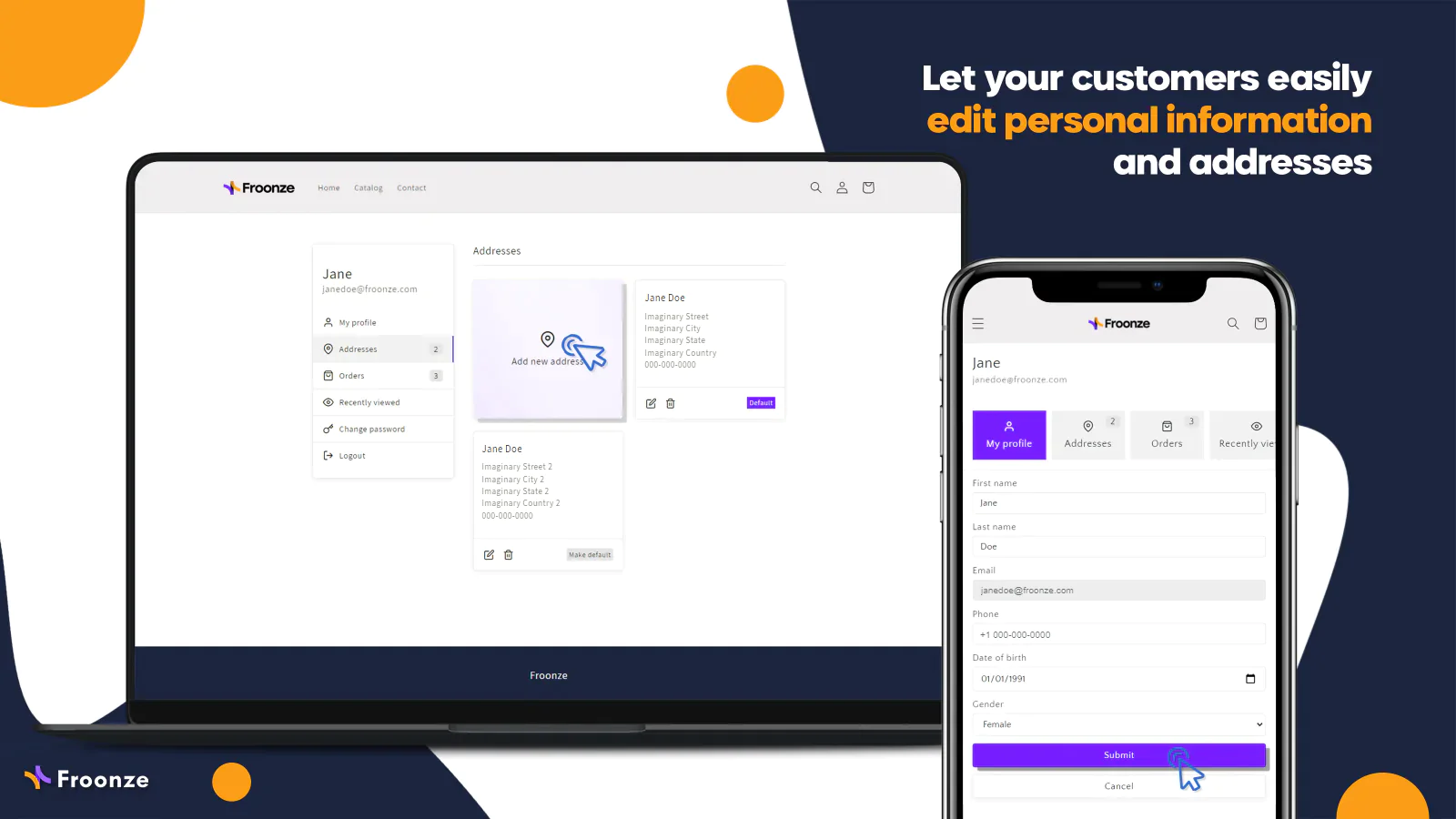
O Customer Accounts Concierge é uma ferramenta robusta de aprimoramento para lojas Shopify, criada para transformar a página padrão de conta do cliente em um painel dinâmico e envolvente. Essa transformação é especialmente útil para lojas B2B e de atacado.
Ao converter uma página genérica em um hub multifuncional, o objetivo é aumentar o lifetime value do cliente por meio de mais engajamento e funcionalidades.
No centro do Customer Accounts Concierge estão seus programas de Fidelidade e Recompensas, que incentivam compras recorrentes e fortalecem a lealdade.
O app também melhora a experiência do usuário ao introduzir um formulário de cadastro personalizável com verificação de e-mail, aprovação de conta e campos personalizados, além de opções práticas de login social via Facebook, Google, Twitter, Amazon, LinkedIn e Apple. Além disso, o app integra um recurso de lista de desejos com lembretes de volta ao estoque, acessível diretamente no portal do cliente.
O Customer Accounts Concierge se destaca pela adaptabilidade e pelas integrações, com mais de 26 integrações com diferentes ferramentas de CRM. Essa flexibilidade é ampliada por um sistema de plugins, permitindo que os usuários escolham e paguem apenas pelos recursos de que precisam.
Com ferramentas como botões para recomprar e cancelar pedidos, o app não só simplifica a gestão de pedidos como também melhora significativamente a experiência geral do cliente em lojas Shopify.
7. Customer Service Helpdesk App
Libere todo o potencial de lucratividade do seu negócio com o poder transformador do eDesk, uma solução completa criada para revolucionar a forma como você opera. Além de sua função principal como ferramenta de automação de tarefas, o eDesk é um ativo estratégico que aumenta o encantamento do cliente, centraliza mensagens e usa tecnologia de ponta para otimizar operações e elevar o desempenho do seu negócio.
No centro da proposta de valor do eDesk está sua capacidade de maximizar lucros ao automatizar tarefas rotineiras. Ao tirar da sua equipe atividades repetitivas e demoradas, o eDesk permite que eles foquem em tarefas de alto valor que contribuem diretamente para o crescimento. Essa eficiência não só melhora a produtividade como também aumenta a efetividade operacional.
Encantar clientes com respostas mais rápidas e personalizadas é um diferencial importante que o eDesk oferece. Ao combinar automação e inteligência, o eDesk garante que as solicitações dos clientes sejam atendidas rapidamente e com soluções sob medida. Esse nível de agilidade não só fortalece a satisfação como também aprofunda a conexão entre sua marca e o público.
O eDesk também se destaca por centralizar mensagens de diferentes canais de venda. De marketplaces à sua loja virtual e redes sociais, todas as comunicações são consolidadas sem esforço em uma caixa de entrada inteligente. Essa abordagem unificada simplifica a gestão de comunicação e permite que sua equipe se conecte com clientes em múltiplos pontos de contato.
Ter uma única caixa de entrada não é o único benefício do eDesk. A cada mensagem, você acessa imediatamente informações do pedido e do cliente, oferecendo contexto valioso para interações mais personalizadas. Essa visão completa melhora a qualidade do atendimento, pois sua equipe responde de forma mais informada e relevante.
A integração de tecnologia baseada em IA no eDesk leva a eficiência a outro nível. A plataforma não só resume interações como também automatiza respostas, usando algoritmos inteligentes para criar respostas adequadas e contextualizadas. Isso acelera o tempo de resposta e garante consistência nas interações.
8. Channel‑Live Chat Chatbot CRM
Desbloqueie uma nova dimensão de excelência em atendimento ao cliente com os recursos completos do Channel.io. Essa plataforma dinâmica chega com um amplo conjunto de recursos nativos cuidadosamente desenvolvidos para elevar seu atendimento a níveis inéditos. Pensado para empresas focadas em crescimento, o modelo de preços do Channel.io é estrategicamente estruturado para oferecer máximo valor e acompanhar suas necessidades em evolução.
No centro da proposta do Channel.io está o compromisso com acessibilidade e custo-benefício. A plataforma oferece live chat e chat interno de equipe totalmente grátis. Essa abordagem generosa elimina limites de assentos e restrições de tickets, permitindo que sua equipe atenda clientes sem barreiras. Sem pegadinhas: você tem liberdade para aproveitar ao máximo esses canais essenciais.
Além disso, a estratégia de preços do Channel.io vai além do gratuito para acompanhar a expansão do seu negócio. À medida que sua operação cresce, o custo de add-ons essenciais como módulos de CRM, chatbot e marketing cresce junto. Esse modelo dinâmico garante que você pague apenas pelo que realmente precisa, sem custos desnecessários. As opções de personalização permitem montar um plano alinhado às necessidades específicas do seu negócio, refletindo sua trajetória e metas de crescimento.
Um diferencial do Channel.io é a transparência e a proposta de valor. A plataforma incentiva você a explorar, comparar e confrontar suas ofertas com outras soluções do mercado. Assim, você valida o valor e a acessibilidade que o Channel.io entrega, garantindo um investimento estratégico alinhado aos objetivos do seu negócio.
9. Willdesk
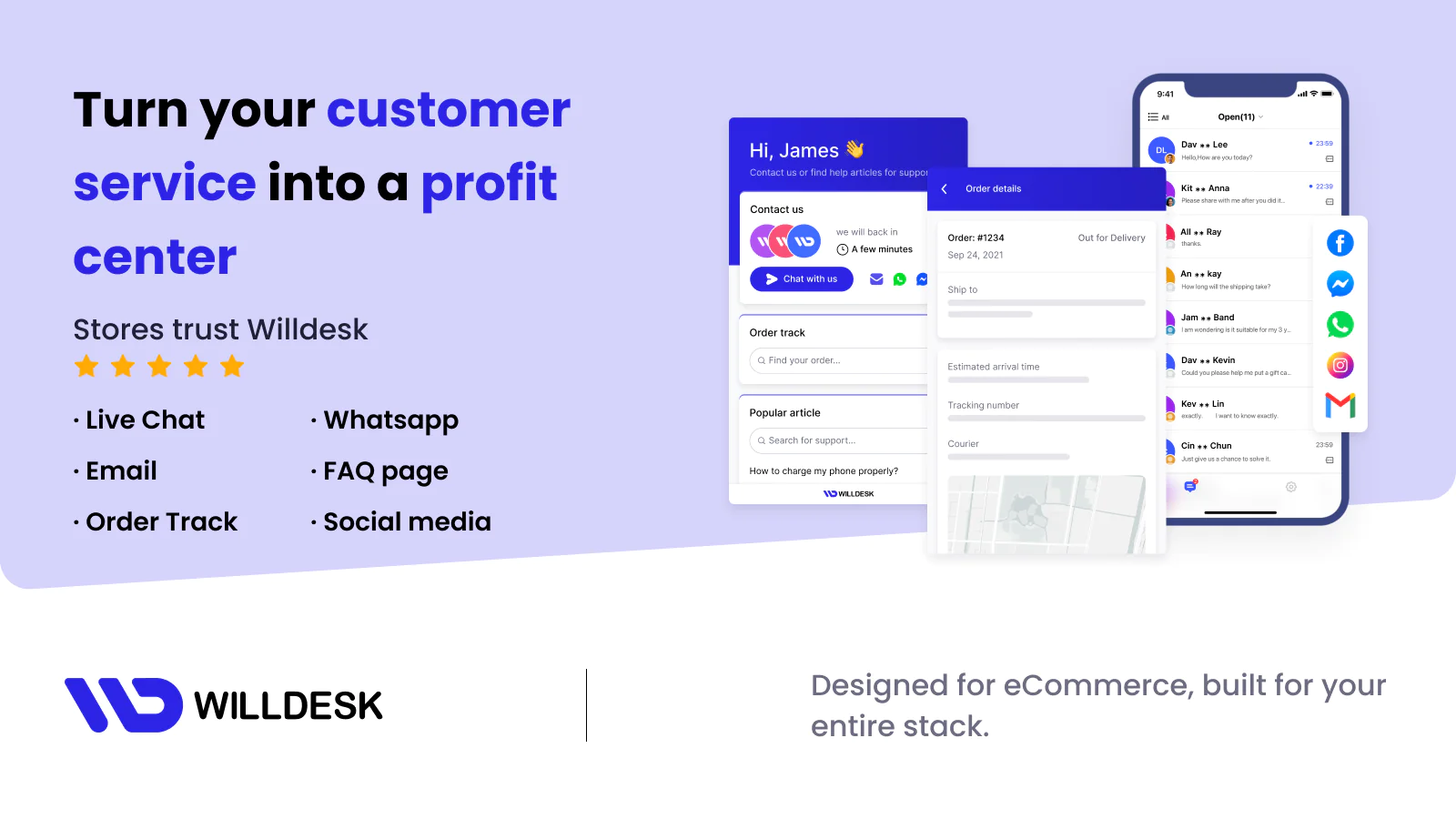
Transforme suas operações de atendimento ao cliente em um sólido centro de lucro com os recursos revolucionários da plataforma completa de suporte e marketing do Willdesk. Essa solução dinâmica foi projetada para redefinir como você se conecta com clientes, trazendo aos seus processos de suporte uma força estratégica que vai além das interações tradicionais.
No centro da proposta do Willdesk está um conjunto completo de recursos, cuidadosamente selecionados para fortalecer tanto o atendimento quanto a geração de receita. De rastreamento de pedidos e uma página de FAQ dedicada a um Helpcenter robusto, e-mails, live chat, Facebook Messenger e até integração com redes sociais, o Willdesk oferece um arsenal de ferramentas para cada etapa do engajamento. Essa abordagem abrangente garante uma experiência unificada e sem fricção em diferentes canais.
Um diferencial do Willdesk é seu sistema de tickets, que simplifica a gestão de solicitações e interações. Esse mecanismo inteligente garante que nenhuma dúvida passe despercebida, promovendo resolução eficiente e aumentando a satisfação do cliente.
A integração de múltiplas lojas na plataforma amplifica ainda mais seu valor. Ao oferecer um hub central para gerenciar solicitações de diferentes vitrines, o Willdesk permite que sua equipe conduza operações multi-store com eficiência, sem perder o ritmo.
A integração do Willdesk com a API do Parcel Panel/TrackingMore revoluciona a forma como você lida com rastreamento de pedidos. Essa integração elimina a necessidade de instalar apps de rastreio separados, oferecendo visibilidade em tempo real do status do pedido e garantindo comunicação pontual com clientes.
A integração com SEOANT leva a otimização a outro nível, melhorando a visibilidade e o posicionamento da sua loja Shopify nos mecanismos de busca. Ao alinhar estratégias de SEO com interações de atendimento, o Willdesk ajuda sua marca a se destacar no ambiente digital, atraindo mais visitantes e potenciais conversões.
Além disso, o Willdesk não se limita ao uso via web. Seu app mobile permite que você se mantenha conectado e responda solicitações em qualquer lugar. Essa disponibilidade em tempo real garante um atendimento ágil e responsivo, independentemente de onde você esteja.
10. WhatsApp Marketing + Helpdesk – DelightChat
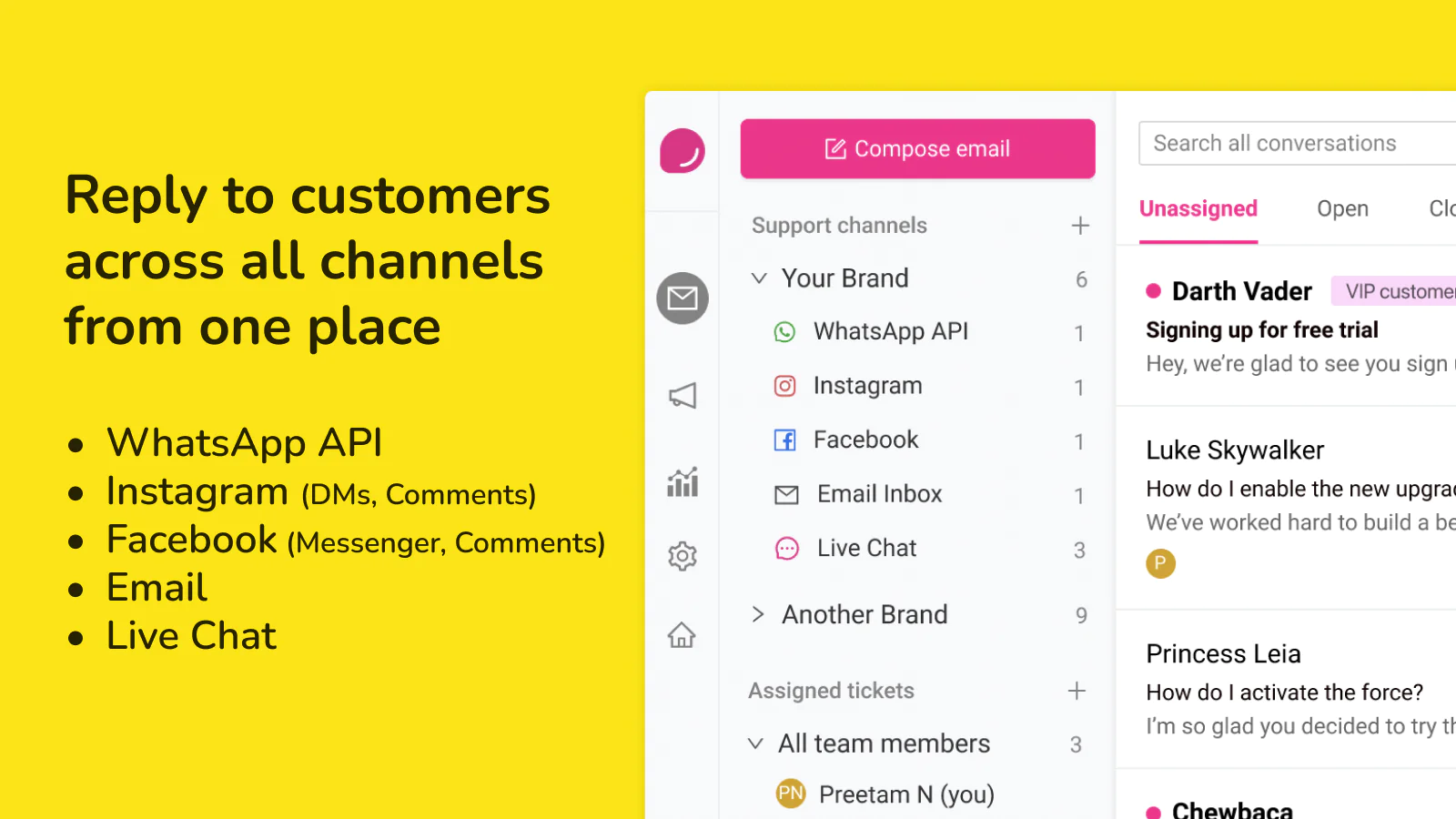
Leve seu atendimento ao cliente a níveis inéditos ao gerenciar interações de forma integrada em várias plataformas — incluindo WhatsApp, Instagram, Facebook, E-mail e Chat — dentro da estrutura inovadora do DelightChat. Essa caixa de entrada omnichannel redefine como sua equipe se relaciona com clientes, entregando um serviço incomparável que conecta com seu público e fortalece a reputação da sua marca.
O DelightChat capacita sua equipe com um conjunto completo de canais, permitindo que você se conecte com clientes com facilidade nas plataformas que eles preferem. Da comunicação instantânea do WhatsApp ao engajamento visual do Instagram, passando pela versatilidade do Facebook e do e-mail, o DelightChat garante um atendimento responsivo e alinhado às preferências individuais.
Um recurso marcante do DelightChat é a capacidade de executar disparos de WhatsApp Marketing (Broadcasts). Essa ferramenta estratégica permite alcançar um público maior com mensagens segmentadas, fortalecendo engajamento e fidelidade. Ao aproveitar o poder do WhatsApp, você abre novas possibilidades de crescimento em vendas e visibilidade da marca.
O coração da proposta do DelightChat está em sua abordagem omnichannel para suporte ao cliente. Ao centralizar interações em uma única caixa de entrada, sua equipe ganha eficiência e visibilidade sem precedentes. Essa visão completa permite gerenciar solicitações sem atrito, aumentar a produtividade e entregar uma experiência consistente e coesa.
O DelightChat vai além da comunicação eficiente; ele permite orquestrar campanhas de marketing de alto impacto. Usando segmentos de clientes, você pode executar automações poderosas e campanhas de retenção via WhatsApp. Essa personalização não só aumenta o engajamento como também impulsiona conversões e crescimento de receita.
O suporte da plataforma para obter acesso oficial à WhatsApp Business API para sua marca é uma vantagem estratégica. Esse reconhecimento oficial aumenta a credibilidade e permite aproveitar todo o potencial do WhatsApp para crescimento do negócio.
11. Richpanel Helpdesk & Live Chat
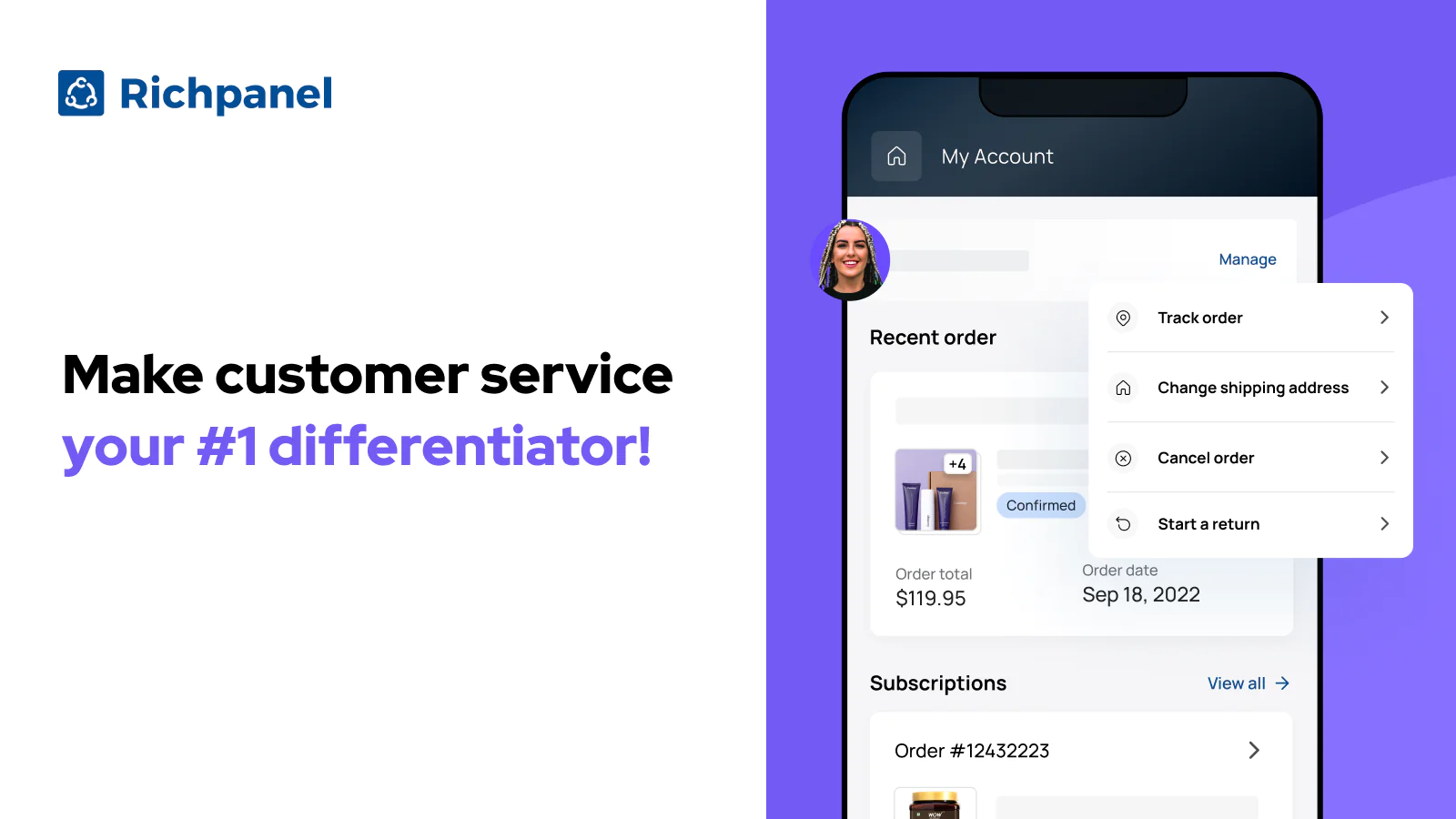
Eleve suas iniciativas de fidelização com o poder de um atendimento ao cliente fluido e eficiente com o Richpanel. Mais do que uma solução convencional, o Richpanel é um helpdesk e software de autoatendimento sob medida, cuidadosamente desenvolvido para usuários de Shopify e Shopify Plus.
Essa plataforma capacita sua marca a não apenas atender, mas superar expectativas ao oferecer suporte rápido e eficaz, alinhado ao perfil exigente do consumidor atual.
Dentro do ecossistema do Richpanel, o helpdesk para agentes se destaca como pilar de eficiência no atendimento. Integrando-se perfeitamente a mais de 20 apps, esse helpdesk funciona como um hub unificado para todos os canais de interação com clientes.
Os agentes navegam pelas solicitações rapidamente, sem a necessidade de trocar de abas, acelerando a resolução de tickets. Essa integração não só aumenta a eficiência dos agentes como também garante uma experiência consistente e coerente em diferentes canais.
A inovação do Richpanel também aparece no portal de autoatendimento, um divisor de águas na dinâmica de suporte. Esse portal dá aos clientes ferramentas para resolver problemas comuns em tempo real, reduzindo a dependência do suporte humano. Essa mudança não só diminui a carga da equipe como também oferece soluções imediatas aos clientes.
No mundo dinâmico do e-commerce, o atendimento ao cliente não é apenas uma necessidade; é um ativo estratégico que pode definir o sucesso (ou o fracasso) da sua loja Shopify. Os 11 apps excepcionais que exploramos aqui são mais do que ferramentas; são portas de entrada para um engajamento incomparável, operações mais enxutas e crescimento de receita. Seja transformando dúvidas em vendas, oferecendo suporte personalizado ou centralizando a comunicação entre canais, esses apps trazem uma variedade de recursos que atendem a cada aspecto do atendimento ao cliente.
Das capacidades completas do Zendesk à inovação com IA do Gorgias, cada app traz forças únicas. Alertas de Back In Stock com o Willdesk e engajamento do cliente com o Tidio são apenas algumas das muitas formas de aumentar fidelidade e satisfação. O poder de automatizar tarefas, gerenciar pedidos e até integrar estratégias de marketing está ao seu alcance com soluções como eDesk, DelightChat e NoteDesk.
A versatilidade desses apps vai além do atendimento; são plataformas transformadoras que elevam as operações da sua loja, a reputação da marca e, no fim, seus resultados. Com uma compreensão clara de recursos e funcionalidades, você está pronto para escolher o app que melhor se alinha aos seus objetivos e às suas estratégias de engajamento.
Nesta era de interações personalizadas, um serviço excepcional é a base do sucesso. Ao aproveitar o poder desses 11 apps, você coloca sua loja Shopify na linha de frente da inovação, garantindo que cada interação com o cliente seja uma prova do seu compromisso com a excelência. Ao adotar esses apps, você abraça uma nova era de atendimento — uma era que não apenas resolve solicitações, mas impulsiona sua loja rumo a crescimento, fidelidade e sucesso duradouro.