

A profitable Shopify affiliate programme in 2026 starts with clear goals, sensible commission rates, the right tracking app, and a repeatable recruitment process. If you treat affiliate marketing like a proper acquisition channel rather than a side project, it can become one of the lowest-risk growth levers in your store.
As a Shopify app developer, I have spent years watching how merchants grow beyond paid ads. The stores that win with affiliates do not just install an app and hope for the best. They build a system for recruiting the right partners, tracking performance accurately, and giving affiliates enough reason to keep promoting month after month.
This updated guide is built for merchants searching for a Guide to Setting up a profitable Affiliate Program for Shopify 2026. I have combined what is still useful from the original post with newer tactics, current software options, practical commission frameworks, and the setup steps that top-ranking guides now include.
If you are also working on store conversion before sending more traffic, read How to Maximize Revenue from Your Shopify Product Pages and How to upsell on Shopify in 2026. In my experience, affiliate traffic performs far better when the product page, cart, and post-purchase flow are already solid.
What is a Shopify affiliate programme?
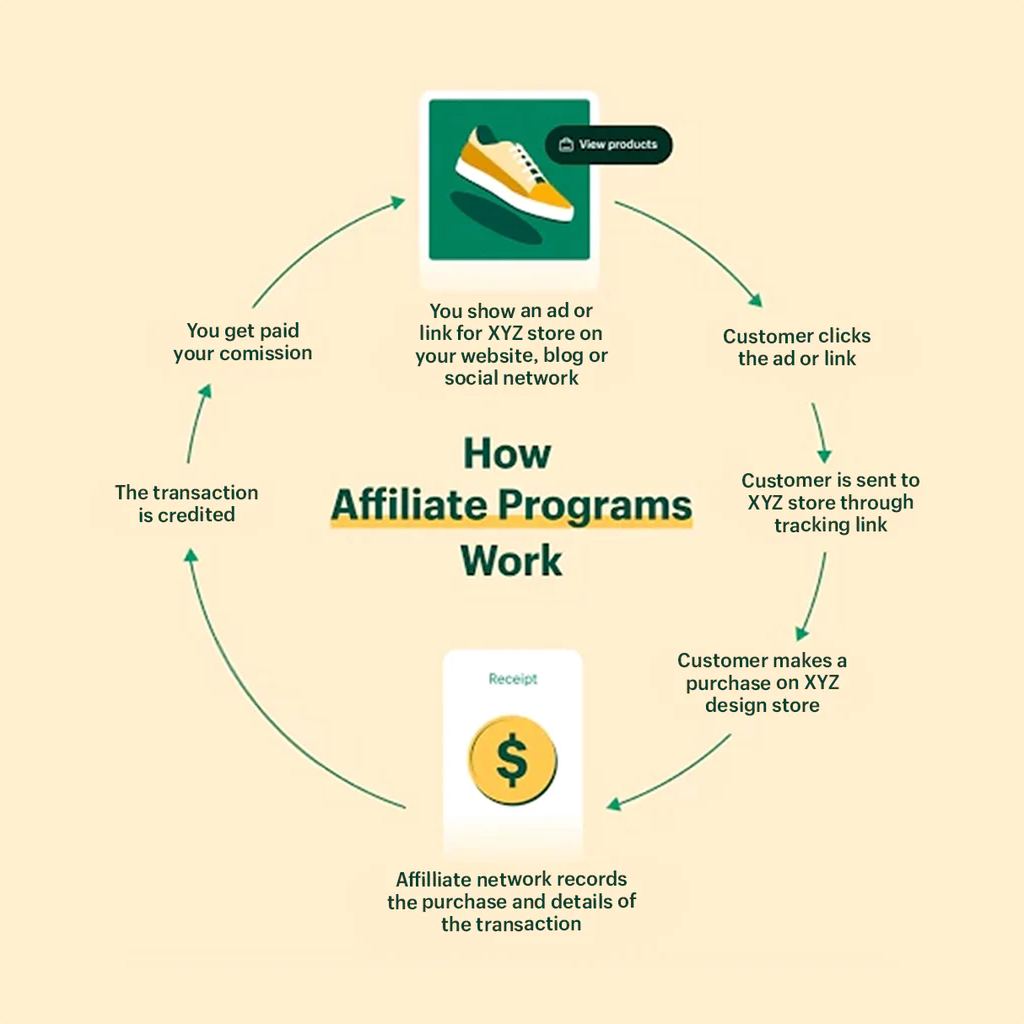
A Shopify affiliate programme is a system where creators, customers, publishers, or partners promote your products and earn commission when their referral leads to a sale. It is performance-based marketing, which means you usually pay only when results happen.
At the simplest level, you give each affiliate a unique tracking link or discount code. When a shopper clicks that link and buys from your Shopify store, the software attributes the order to the affiliate and calculates the payout. That makes it easier to measure ROI than many awareness campaigns.
The reason affiliate marketing remains attractive in 2026 is straightforward. Rising ad costs have made merchants more cautious, while creators and niche publishers want recurring revenue opportunities beyond one-off sponsorships. A well-run affiliate programme sits nicely between influencer marketing, partnerships, and referral-based acquisition.
Why should Shopify merchants launch an affiliate programme in 2026?
Shopify merchants should launch an affiliate programme in 2026 because it can reduce dependence on paid ads, improve reach into niche audiences, and create a more measurable customer acquisition channel. It works especially well for brands with strong margins, repeat purchase potential, or a passionate customer base.
Current industry coverage continues to point in the same direction. Affiliate marketing remains a multi-billion-dollar channel, with forecasts from major publishers putting the market at roughly $15 billion by 2028. At the same time, creator-led commerce is becoming more important, which means brands need ways to reward creators beyond flat fees.
In my experience building Shopify apps, affiliate programmes work best when merchants are already getting some traction from word-of-mouth. If customers are naturally tagging you on Instagram, posting unboxing videos, or recommending your products in niche communities, that is often a sign you can formalise demand into an affiliate programme.
They also pair well with retention and AOV strategies. If your store already uses upsells, bundles, or subscriptions, affiliate traffic becomes more valuable because each referred customer is worth more. If that is a focus for you, see How to Create Shopify Cart Drawer Upsells That Boost AOV and How to Upsell Subscription Products on Shopify.
How do I know if my store is ready for an affiliate programme?
Your store is ready for an affiliate programme when you have a proven product, healthy margins, a reliable fulfilment process, and a website that converts traffic consistently. Do not recruit affiliates before your basics are in place.
Before launch, I recommend checking five things. First, make sure your store converts paid or organic traffic at a reasonable rate. Second, confirm that your average order value leaves room for commission. Third, ensure your fulfilment and returns process is stable. Fourth, have clear brand assets ready. Fifth, decide who will actually manage the programme every week.
If you are still fixing operational issues, affiliate marketing can magnify them. Sending 100 creators to a slow site with weak product pages and confusing shipping information does not create a winning programme. It creates churn, complaints, and affiliates who never promote you again.
- Conversion rate is stable and product pages are trustworthy
- Gross margin can support commission plus discounts and app fees
- Shipping times and returns policies are clear
- Creative assets such as product photos and benefit-led copy are ready
- Someone owns the programme and can reply to affiliates quickly
How do I set up a profitable affiliate programme for Shopify step by step?
The best way to set up a profitable affiliate programme for Shopify is to follow a structured 11-step process. That process covers goals, software, recruitment, vetting, onboarding, commissions, cookies, gifts, assets, promotions, and ongoing management.
Below is the setup framework I would use today for a merchant launching in 2026.
1. Set clear goals for the programme
Set one primary goal before you install anything. Your goal determines who you recruit, how you pay them, and how you measure success.
Common goals include increasing brand awareness, generating first-time customer revenue, launching into a niche community, or improving contribution margin compared with paid social. If you try to optimise for everything at once, the programme gets messy quickly.
- Revenue goal: e.g. 100 affiliate orders in 90 days
- Acquisition goal: e.g. 70% new-to-brand customers
- Content goal: e.g. 30 pieces of UGC from affiliates
- Efficiency goal: e.g. lower CAC than Meta ads
2. Choose an affiliate app that fits your stage
The right app depends on your budget, complexity, and how hands-on you want to be. For most Shopify merchants, setup takes around 30 minutes once the app is installed.
I would not overcomplicate this at the start. You need dependable tracking, discount code support, affiliate portals, payout controls, and enough reporting to see which partners are actually profitable.
| Platform | Pricing | Commission options | Best for |
|---|---|---|---|
| UpPromote | $29.99/month + 2% of sales | Percentage or fixed | Beginners who want an easy launch |
| BixGrow | $14.99/month | Tiered commissions | Scalable programmes with growth plans |
| Refersion | $39/month | Custom commission rules | Advanced management and more control |
| EmbedUp | $14.99/month | Customisable rates | Lightweight setup |
| GoAffPro | $49/month | Flexible commission setup | Startups needing flexibility |
You should also review Shopify Collabs if it is available and suitable for your store. It can be a useful option for creator discovery and affiliate workflows, though I still think many merchants prefer dedicated affiliate apps for tighter control.
3. Decide who your ideal affiliates are
Your best affiliates are usually not random influencers with big follower counts. The best affiliates are people with audience trust, niche relevance, and content that already matches your product.
Start with your existing customers first. This is one of the most overlooked tactics in affiliate setup guides, yet it is often the fastest route to your first sales. Customers already understand the product, they can create authentic content, and they tend to need less convincing.
After that, expand to micro-influencers, bloggers, YouTubers, newsletter publishers, communities, and complementary brands. If I were launching a fitness brand, I would rather recruit 50 niche creators with good engagement than chase one expensive macro influencer.
4. Vet creators before approving them
Vetting matters because not every affiliate is a good fit for your brand. Bad affiliates can damage your reputation, misuse discount codes, or generate low-quality traffic.
Check audience relevance, engagement quality, historical brand partnerships, website quality, and whether their content style actually suits your product. Also look at how they disclose affiliate relationships. Clear disclosure is not just good practice, it is part of building trust.
- Audience fit: do they speak to your buyer?
- Content quality: does their content feel credible?
- Traffic source: social, SEO, email, community, YouTube
- Brand safety: any spammy or misleading tactics?
- Compliance: do they disclose sponsored or affiliate content?
5. Onboard affiliates properly
Onboarding is where many programmes underperform. If affiliates have to guess how to promote you, most will do nothing.
Give each approved affiliate a short starter pack. Include their link, code, best-selling products, top customer objections, brand guidelines, image assets, and examples of content angles that convert. I have seen simple onboarding emails outperform fancy portals because they remove friction.
A good onboarding flow should answer these questions immediately:
- What should I promote first?
- Who is this product best for?
- What commission do I earn?
- When do I get paid?
- What claims can and cannot I make?
6. Set a commission structure that protects margin
The best commission structure is competitive enough to motivate affiliates without destroying your contribution margin. For many physical product brands, 10% is a sensible launch point.
The research for 2026 supports a practical rollout. In month 1, start with a flat 10% commission for all affiliates. It is attractive enough to get movement but usually not margin-crushing. In months 2 to 3, review performance and move top affiliates onto tiered rates.
| Tier | Monthly sales | Commission | Use case |
|---|---|---|---|
| Bronze | 1-10 sales | 5% | New or unproven affiliates |
| Silver | 11-50 sales | 10% | Consistent performers |
| Gold | 50+ sales | 20% | Top partners with proven volume |
Flat payouts can also work, especially for testing. For example, $5 per order is easy to understand and can be useful when product prices are similar. But percentage commissions usually scale better across varied catalogues.
Research competitor rates in your niche before finalising anything. If similar brands are paying 12% and you offer 5%, strong affiliates will ignore you unless your conversion rate is exceptional.
7. Set cookie duration and attribution rules
Cookie duration defines how long an affiliate can earn commission after a click. Thirty days is still the most common default and is a sensible starting point for most Shopify stores.
For higher-consideration products, you may want longer windows. For impulse buys, 7 to 14 days can still work. More important than the exact number is clarity. Affiliates should know whether you use last-click attribution, whether discount code attribution applies, and how refunds affect payouts.
8. Decide on a gifting strategy
Free product samples can dramatically improve affiliate content quality. Gifting is often worth it for creators who need to experience the product before recommending it.
This matters even more for physical goods where fit, feel, scent, texture, or results are part of the selling process. If you can afford it, gift selectively to creators with genuine audience fit rather than sending product to everyone who fills in a form.
9. Build an asset library affiliates can actually use
Your affiliates need more than a link. A proper promotional asset library increases output and keeps messaging consistent.
At minimum, include product photos, lifestyle shots, logos, short copy blocks, FAQs, best-seller lists, launch dates, and discount messaging. If you want to stand out, add email swipe copy, story templates, short-form video hooks, and comparison points against common alternatives.
This is especially important now that AI-assisted content creation is more common. If affiliates are using AI tools to draft captions or email copy, your brand assets help them stay accurate. For a related read, see How to Optimize Your Shopify Store for AI Shopping Agents and How to Get Your Shopify Store into ChatGPT.
10. Launch with a promotion calendar
Affiliates perform better when you give them campaign angles, deadlines, and reasons to post. Do not launch your programme as a static evergreen page and expect momentum.
Create a simple calendar for the next 90 days. Include product launches, seasonal promotions, payday campaigns, bundles, gift guides, and BFCM planning if relevant. I have seen even small stores get much better participation when affiliates receive monthly campaign prompts instead of generic reminders.
11. Manage relationships and optimise every month
Affiliate management is not passive. The most profitable programmes are actively managed.
Send monthly updates, highlight best-sellers, share conversion tips, and reward top performers visibly. Track clicks, conversions, AOV, refund rates, new customer rate, and net margin by affiliate. If an affiliate sends lots of orders but all of them use heavy discounts and refund later, they may not be profitable at all.
What is the best commission rate for a Shopify affiliate programme?
The best commission rate for a Shopify affiliate programme is the highest rate your margins can support while still keeping the channel profitable. For many stores, that means starting at 10% and then introducing tiers.
There is no perfect universal number because categories differ. Digital products can often support much higher commissions. Physical products with thin margins may need lower rates, especially if shipping and returns are expensive. The key is to calculate commission after considering discounts, payment fees, fulfilment, and expected returns.
In practice, I suggest merchants calculate three numbers before launch:
- Maximum affordable commission based on contribution margin
- Competitive market commission based on similar brands
- Target blended CAC compared with paid channels
If your paid social CAC is £28 and your affiliate CAC lands at £18 with similar customer quality, the programme is likely working even if the commission rate feels generous.
What other incentives should I offer affiliates besides commission?
The best affiliate programmes use more than money. Non-monetary incentives often increase loyalty and content output without hurting margin as much as raising commission rates.
Based on current 2026 guidance, strong additional incentives include exclusive product discounts, faster payment schedules for top affiliates, volume bonuses, co-marketing opportunities, and free products for reviews or content creation. These are especially effective with smaller creators who value access and recognition.
- Exclusive discounts for the affiliate's audience
- Priority payment terms such as weekly payouts for top partners
- Volume bonuses like a £500 bonus after 100 sales
- Feature opportunities on your brand's social or email channels
- Early access to launches or limited collections
How do I recruit quality affiliates for Shopify?
The best way to recruit quality affiliates is to start with people who already know and like your brand, then expand into niche creators and complementary partners. Recruitment quality matters more than raw application volume.
My favourite first move is emailing happy customers. Export customers with repeat purchases, strong review history, or visible social presence and invite them personally. This works because they already have product familiarity and usually create more believable recommendations than cold affiliates.
Then build a simple outreach list across:
- Existing customers
- Micro-influencers in your niche
- Bloggers and SEO publishers
- YouTubers and newsletter operators
- Complementary brands with overlapping audiences
If your store handles custom or complex products, make sure affiliates understand the customer journey. For example, stores with bespoke orders should also think about communication and fulfilment clarity. Related reading: How to Track Customized Orders in Shopify and How to Manage Shopify Customer Data Without Losing Sales.
How long does it take to build a profitable affiliate programme?
A profitable affiliate programme usually takes a few months to mature, not a few days. Expect to test in month one, find traction in months two to six, and scale meaningfully over six to twelve months.
The current recommended scaling timeline is realistic and useful:
| Phase | Timeline | Target |
|---|---|---|
| Phase 1 | Weeks 1-4 | 5-10 initial affiliates, first 50 sales, test commission structure |
| Phase 2 | Months 2-6 | 50-100 active affiliates, 500+ affiliate sales, introduce tiers |
| Phase 3 | Months 6-12+ | 200+ active affiliates, 20-30% of revenue from affiliates, consider dedicated manager |
Not every store will hit those exact numbers, but the pattern is right. The first month is about setup and proof. The next few months are about recruitment and optimisation. Real scale comes from relationships, repeat campaigns, and knowing which affiliates deserve more support.
What mistakes make Shopify affiliate programmes unprofitable?
The biggest mistakes are poor tracking, weak margins, lazy recruitment, and lack of programme management. Affiliate marketing fails when merchants treat it as set-and-forget.
Here are the mistakes I see most often:
- Offering commission without checking margin
- Approving everyone instead of vetting affiliates
- No onboarding or promotional materials
- Unclear payment terms and slow responses
- Ignoring discount abuse or coupon leakage
- Measuring gross revenue only instead of profit contribution
Coupon leakage deserves special mention. If your affiliate codes spread across deal sites, you can end up paying commission on customers who would have bought anyway. That is why code control and attribution rules matter. It is the same principle I talk about in How to Stop Double Discounts on Shopify.
What does a simple launch checklist look like?
A simple launch checklist helps you avoid missing the basics. If you can complete the list below, you are ready to go live.
- Define one primary programme goal
- Choose and install your affiliate app
- Set default commission and payout rules
- Choose a 30-day cookie unless you have a strong reason not to
- Create affiliate terms and approval criteria
- Prepare onboarding emails and asset library
- Recruit your first 5-10 affiliates
- Gift products selectively where useful
- Launch your first 30-day campaign
- Review clicks, orders, AOV, refunds, and margin after month one

Is an affiliate programme better than influencer marketing or paid ads?
An affiliate programme is not always better than influencer marketing or paid ads, but it is often more efficient and lower risk because payouts are tied to results. For many Shopify brands, the best strategy is a mix of all three.
Influencer campaigns are useful when you want guaranteed content or fast awareness. Paid ads are useful when you need scale and control. Affiliates are useful when you want ongoing partner-led sales with measurable ROI. In my experience, the strongest brands use influencer gifting to seed content, then convert the best creators into affiliates for longer-term performance.
| Channel | Best for | Main downside |
|---|---|---|
| Affiliate marketing | Performance-based growth | Needs active relationship management |
| Influencer marketing | Awareness and content creation | Can be expensive upfront |
| Paid ads | Fast scalable traffic | Rising CAC and platform dependency |
My honest verdict on building a profitable Shopify affiliate programme in 2026
A profitable affiliate programme in 2026 is absolutely worth building if your store has product-market fit, healthy margins, and someone to manage the channel properly. It is one of the most practical ways to turn customers, creators, and niche publishers into a repeatable acquisition engine.
If I were launching from scratch today, I would keep it simple. I would pick one solid Shopify affiliate app, start with a 10% commission, recruit customers first, approve affiliates carefully, use a 30-day cookie, and run the first 90 days like a proper experiment. Then I would promote top performers into tiers and cut anything that looks good on gross revenue but weak on profit.
That is the difference between having an affiliate programme and having a profitable affiliate programme. One is just software on your store. The other is an acquisition channel with real commercial discipline behind it.


