
Backlinks are still one of the strongest SEO signals for a Shopify store, but most merchants approach them the wrong way. They chase volume, buy low-quality links, or spend weeks on tactics that never move rankings.
In my experience building Shopify apps and working with merchants across dozens of niches, the stores that win with SEO usually do something simpler. They create pages worth linking to, they promote them consistently, and they focus on relevant links from real websites rather than random directory spam.
This guide explains how to add backlinks to your Shopify store in a way that actually helps rankings, referral traffic, and long-term growth. I’ll cover what backlinks are, which tactics still work in 2026, how to track them, and what to avoid if you do not want a messy backlink profile that becomes a future problem.
What are backlinks and why do they matter for Shopify SEO?
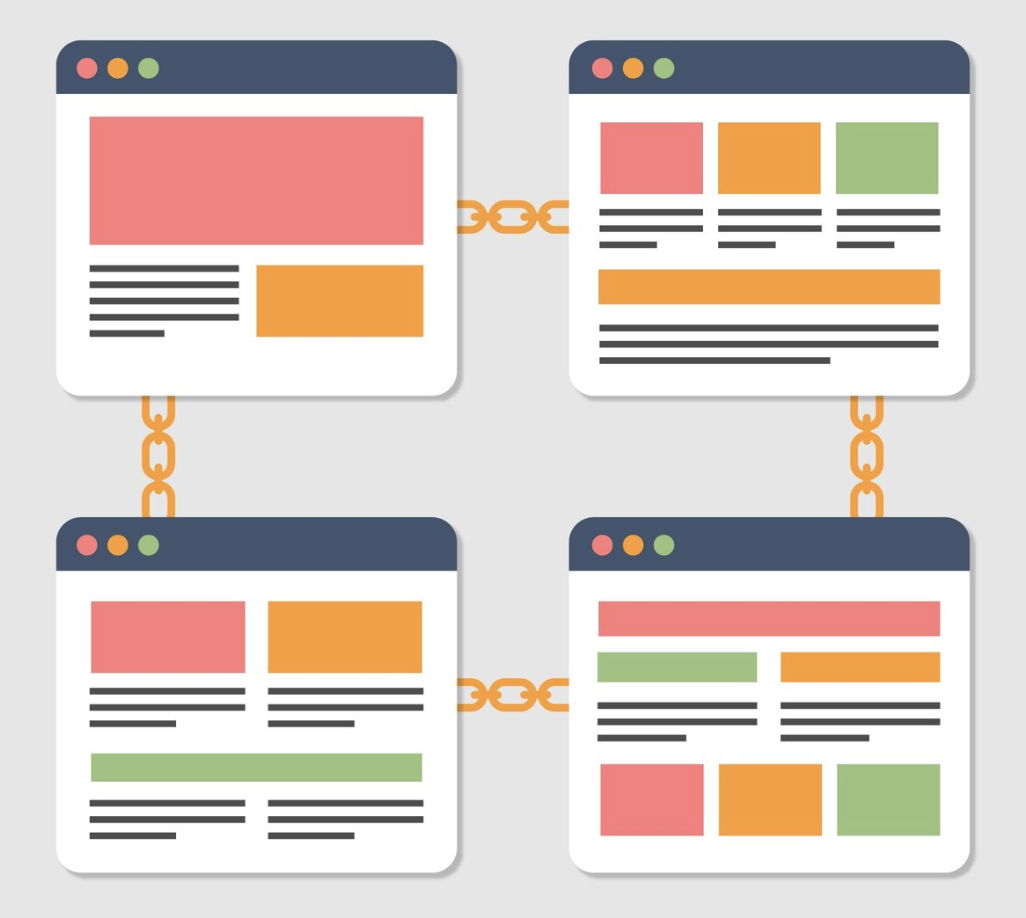
Backlinks are links from other websites pointing to your Shopify store. High-quality backlinks help search engines understand that your store is credible, relevant, and worth ranking.
If another site links to your collection page, blog post, homepage, or product page, that link acts like a trust signal. Google does not treat all links equally, though. A link from a respected publication in your niche is usually far more valuable than dozens of links from weak, irrelevant sites.
For Shopify merchants, backlinks matter because they can improve organic rankings, increase referral traffic, and strengthen the authority of your domain over time. That authority then makes it easier to rank product pages, collections, and blog content.
Backlinks also work alongside on-site SEO. If your site structure is weak, your internal links are messy, or your URLs are not optimised, even good backlinks will have less impact. If that is an issue, I’d also look at improving your Shopify SEO fundamentals and cleaning up your Shopify URLs.
What makes a backlink high quality?
A high-quality backlink is relevant, editorial, and placed on a trustworthy site. The best links usually come from websites that genuinely chose to reference your content, products, or expertise.
When I assess link opportunities, I usually look at five things: relevance, traffic quality, editorial standards, indexation, and whether the link feels natural in context. A beauty brand getting a link from a beauty blog makes sense. The same brand getting a link from a random gambling directory does not.
- Relevance - Is the linking site related to your niche?
- Authority - Does the site have trust, visibility, and real readership?
- Placement - Is the link inside useful content rather than buried in a footer?
- Anchor text - Does the clickable text look natural?
- Traffic potential - Could the link send actual visitors, not just SEO value?
Do backlinks still work in 2026?
Yes, backlinks still work in 2026. Quality and relevance matter far more than quantity, and that has only become more true.
Google has become better at ignoring manipulative links, which means spammy link building is less effective than it used to be. But strong editorial links still help pages rank, especially in competitive ecommerce niches where many stores have similar products and similar on-page optimisation.
How do I add backlinks to my Shopify store?
You do not manually add backlinks inside Shopify itself. You earn or request backlinks from other websites that choose to link to your store.
That is an important distinction. Internal links are links you add within your own Shopify store. Backlinks are external links placed on other sites. So the real job is not clicking a Shopify setting. It is creating link-worthy assets and promoting them strategically.
In practice, most Shopify backlink campaigns follow a simple process:
- Choose a page worth promoting
- Improve that page so it deserves links
- Find relevant websites, creators, journalists, or communities
- Pitch a useful reason for them to link
- Track results in Google Search Console and analytics
If you are starting from scratch, I recommend focusing on 2 to 3 tactics per week rather than trying everything at once. Consistency beats random bursts of outreach.
Which Shopify pages should I build backlinks to?
The best pages to build backlinks to are usually blog posts, guides, tools, category pages, and original resources. Product pages can earn links too, but they are often harder to promote directly.
When I test SEO ideas for Shopify merchants, informational pages usually attract links more naturally than commercial ones. A product page says “buy this”. A guide, study, calculator, or useful resource gives another site a reason to reference you.
Here is how I usually prioritise link targets for ecommerce stores:
| Page type | Best use | Link potential | Conversion potential |
|---|---|---|---|
| Blog guides | Education, awareness, keyword targeting | High | Medium |
| Original research or data pages | Journalist and blogger outreach | Very high | Low to medium |
| Collection pages | Commercial SEO | Medium | High |
| Product pages | Direct product promotion | Low to medium | Very high |
| Tools, quizzes, calculators | Interactive link magnets | High | Medium to high |
If you sell visually driven products, resource content can also support merchandising pages. For example, a style guide can internally link to featured products, related products, or complete-the-look sections. I’ve covered similar merchandising tactics in how to add featured products on Shopify and how to create a complete the look section in Shopify.
What are the best ways to get backlinks to a Shopify store?
The best ways to get backlinks to a Shopify store are guest posting, digital PR, product reviews, unlinked mention outreach, broken link building, and creating link-worthy content. These are the tactics I’ve seen work most consistently.
The right strategy depends on your niche, brand size, and available time. A solo merchant may do best with resource pages and customer review outreach. A larger brand may get better returns from PR campaigns and data-led content.
How can I create link-worthy content for my Shopify store?
Link-worthy content is content that another website would naturally want to cite. The best content magnets are useful, original, and easier to reference than competing pages.
This is where many stores fall short. They publish generic blog posts like “Top 5 Tips” with nothing unique in them. That rarely earns links. What works better is original data, expert commentary, detailed tutorials, product comparison resources, or visual assets that solve a real problem.
Examples that work well for Shopify stores include:
- Buying guides for complex product categories
- Original survey results from your customer base
- Size guides or fit explainers
- Trend roundups with original commentary
- Gift guides with unique curation
- Calculators, quizzes, or selectors
- Case studies showing customer outcomes
If you want a stronger SEO content foundation first, my post on organic backlink building for Shopify SEO is a useful companion to this guide.
Is guest blogging still worth it for Shopify backlinks?
Yes, guest blogging still works when the sites are relevant and the content is genuinely good. Guest posting is not worth it if you are publishing thin, promotional articles on low-quality sites.
I still like guest posting because it gives you control. You can choose the topic, position your expertise, and place a contextual link to a relevant page on your store. It is especially useful for newer domains that need their first few authoritative links.
To find opportunities, search for phrases like:
- your niche + write for us
- your niche + guest post
- your niche + contribute
- your niche + become a contributor
When pitching, keep it specific. Offer 2 or 3 article ideas, explain why they fit the site’s audience, and link to examples of your writing. If you want a marketplace that connects buyers and publishers, Accessily is one option, though I’d still vet every site manually.
How do product reviews help build backlinks?
Product reviews can generate backlinks when bloggers, creators, and publishers review your products and link back to your store. This is one of the easiest link-building tactics for product-led brands.
In some niches, especially beauty, home, pet, parenting, and tech accessories, review-based outreach can work very well. Send products to relevant creators, ask for honest reviews, and suggest the most useful page to link to, such as the product page, a comparison guide, or a collection.
You can also encourage existing customers with blogs or niche sites to review their purchase. Post-purchase emails can help uncover these opportunities. If your store relies heavily on social proof, this pairs nicely with review collection strategies and user-generated content.
What is unlinked mention outreach?
Unlinked mention outreach means finding websites that mention your brand but do not link to you, then politely asking them to add a link. These are often some of the easiest backlinks to win.
If a site already referenced your store, product, founder, or campaign, they have already shown intent. Your job is simply to make the link request easy and reasonable. In my experience, response rates here are often much better than cold guest post outreach.
Useful tools for this include Google Alerts, Mention, and backlink tools that surface brand mentions.
How does broken link building work for Shopify stores?
Broken link building means finding dead links on relevant websites and suggesting your page as a replacement. It works best when your content is a clear match for the missing resource.
For example, if a blog once linked to a now-deleted gift guide, and you have a stronger, updated version, that is a good pitch. Website owners usually want to fix broken links because they create a bad user experience and weaken their content.
Your process can be simple:
- Find relevant resource pages or blog posts in your niche
- Check for broken outbound links
- Create or improve a matching replacement page
- Email the site owner with the broken URL and your suggested replacement
This tactic becomes stronger if you combine it with the skyscraper technique. That means improving on an existing popular piece of content, then contacting sites that linked to the older version.
Can influencers and communities help with backlinks?
Yes, but only when the collaboration creates content on a platform that can actually link. Not every influencer campaign produces SEO value, even if it performs well on social media.
Instagram posts and TikTok videos may drive sales, but they often do not create standard crawlable backlinks. Blog-based creators, newsletter publishers, YouTubers with linked descriptions, podcast websites, and niche community sites are usually more useful from an SEO perspective.
Community participation can work too. Reddit, Quora, LinkedIn groups, Facebook groups, and specialist forums are best used for visibility and trust first. If you drop links without context, it looks spammy and usually gets ignored or removed.
Should I use digital PR and journalist requests?
Yes. Digital PR is one of the best ways to earn strong backlinks at scale. Journalist links can be some of the highest-authority links a Shopify store earns.
If you have founder insight, customer data, trend commentary, or a unique story angle, you can pitch journalists directly or respond to source requests. A few useful platforms and sources include HARO alternatives, journalist request communities, and direct outreach to editors in your niche.
When I’ve seen this work best, the merchant had something quotable. Data, a clear point of view, or a timely story makes a journalist’s job easier. Generic “we sell great products” messaging does not.
Do infographics still earn backlinks?
Sometimes, but only if the data or visual is genuinely useful. Infographics are not dead, but generic ones rarely attract links anymore.
If you create one, make it original. Use survey data, internal sales trends, or a visual explanation of a complex topic in your niche. Then give websites a reason to embed it by including a short write-up and an easy citation format.

What should I avoid when building backlinks for Shopify?
You should avoid buying spammy links, using irrelevant directories, over-optimising anchor text, and relying on private blog networks. Bad links are rarely worth the short-term risk.
I’ve seen stores waste money on cheap SEO packages promising hundreds of backlinks in a week. Those links almost never help. At best, Google ignores them. At worst, they create a toxic profile that makes future SEO work harder to analyse.
- Avoid bulk link packages from Fiverr-style sellers
- Avoid irrelevant directory submissions that exist only for SEO manipulation
- Avoid exact-match anchor text abuse on every link
- Avoid sitewide footer links from unrelated websites
- Avoid automated blog comments and forum spam
A good rule is simple: if the link exists mainly to manipulate rankings rather than help a reader, it is probably not a link you should prioritise.
How do I track backlinks to my Shopify store?
You can track backlinks using Google Search Console, analytics tools, and third-party SEO platforms. Search Console is the best free place to start.
For most merchants, I recommend checking three things every month: which sites link to you, which linked pages get traffic, and whether those visitors convert. Rankings matter, but backlinks should also support real business outcomes.
How do I use Google Search Console to find backlinks?
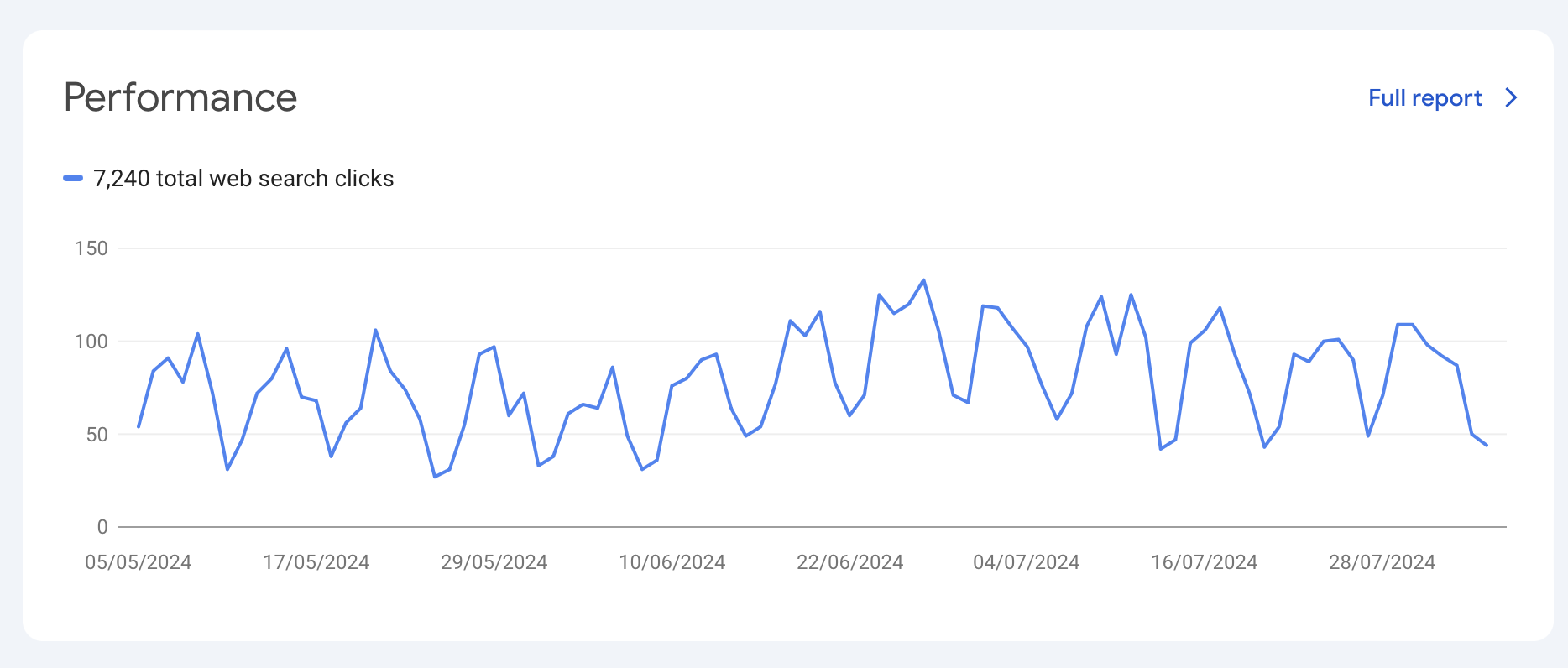
Open Google Search Console, go to the Links report, and review your top linked pages and top linking sites. This is the simplest free way to monitor your Shopify backlink profile.
Search Console will not show every single link on the web, but it is reliable enough for trend tracking. It helps you spot which pages attract links naturally and whether a campaign is working.
Use this quick workflow:
- Open Google Search Console
- Select your Shopify property
- Click Links in the left menu
- Review Top linked pages
- Review Top linking sites
- Export data if you want to compare month by month
What are the best backlink tools for Shopify merchants?
The best backlink tools for Shopify merchants are Ahrefs, Semrush, Moz, and Majestic. Each one helps with prospecting, analysis, and monitoring.
If you are on a budget, start with Search Console and one paid tool for short bursts of research. You do not need an expensive stack forever. You do need accurate data when evaluating opportunities.
| Tool | Best for | Strengths | Best fit |
|---|---|---|---|
| Ahrefs | Backlink research and competitor analysis | Excellent link index, anchor analysis, content gap research | Best for serious SEO work |
| Semrush | All-in-one SEO campaigns | Audits, outreach support, competitor tracking | Best for broader marketing teams |
| Moz Link Explorer | Authority scoring and link review | Simple interface, Domain Authority metrics | Best for beginners |
| Majestic | Trust analysis and historical links | Trust Flow, Citation Flow, large historical database | Best for link specialists |
How can I analyse competitor backlinks for my Shopify niche?
Competitor backlink analysis shows you where similar stores are earning links and which content formats attract them. This is one of the fastest ways to find realistic link opportunities.
I use this approach constantly because it removes guesswork. If three competing stores all have links from gift guides, niche blogs, comparison roundups, or supplier directories, that tells you where your market already links.
Look for patterns such as:
- Sites that link to multiple competitors
- Content types earning the most links
- Roundups or resource pages missing your brand
- Broken competitor pages you can replace
- Journalists or blogs covering your category repeatedly
Ahrefs and Semrush both make this fairly straightforward. Export the referring domains for two or three competitors, compare overlap, and build an outreach list from the best prospects.
Do internal links matter when building backlinks?
Yes, internal links matter because they help distribute authority from linked pages to the rest of your store. A strong backlink to one page can help other pages if your internal linking is sensible.
This is especially important on Shopify because many stores earn links to blog posts, not product pages. If your blog content links strategically to collections, featured products, and related guides, some of that authority can flow through your site architecture.
It is also worth fixing broken internal links and redirecting retired URLs properly. If you are improving site structure, you may also want to read how to add breadcrumbs to your Shopify store.
What is a realistic backlink plan for a small Shopify store?
A realistic backlink plan for a small Shopify store is to publish one strong asset each month and do weekly outreach. You do not need hundreds of links to see progress.
For smaller merchants, I would keep it simple:
| Week | Task | Goal |
|---|---|---|
| Week 1 | Publish or improve one link-worthy page | Create something worth promoting |
| Week 2 | Find 25 outreach targets | Build a relevant prospect list |
| Week 3 | Send guest post, review, or mention outreach emails | Earn 1 to 3 quality links |
| Week 4 | Check Search Console and referral traffic | Measure traction and refine |
Repeat that for three months and you will usually have enough data to see what is working. In my experience, 10 strong links beat 100 weak ones, especially for niche ecommerce stores.
What is the best backlink strategy for Shopify stores in 2026?
The best backlink strategy for Shopify stores in 2026 is to combine link-worthy content, targeted outreach, and careful tracking. There is no shortcut that beats relevance and consistency.
If I were starting a Shopify store today, I would focus on four things first: one standout guide or resource, one guest post pitch every week, one unlinked mention workflow, and one monthly PR angle. That mix is practical, scalable, and far safer than buying links.
The merchants who get the best SEO results usually treat backlinks as part of a bigger system. Good content, good site structure, good products, and good outreach work together. Backlinks are powerful, but they work best when the rest of the store already deserves to rank.