Sustainable candles Shopify apps are tools and workflows that help candle brands sell cleaner-burning products, reduce packaging waste, and communicate sustainability clearly on their storefront. If you sell soy, coconut, beeswax, or refillable candles on Shopify, the right mix of materials, packaging choices, and apps can improve both your margins and your conversion rate.
In my experience building Shopify apps, sustainable brands usually do not struggle with product quality first. They struggle with translating their values into a buying experience customers can trust. That means choosing better waxes and wicks, using recyclable or refillable packaging, and then backing those claims up with the right apps, product page messaging, and post-purchase flows.
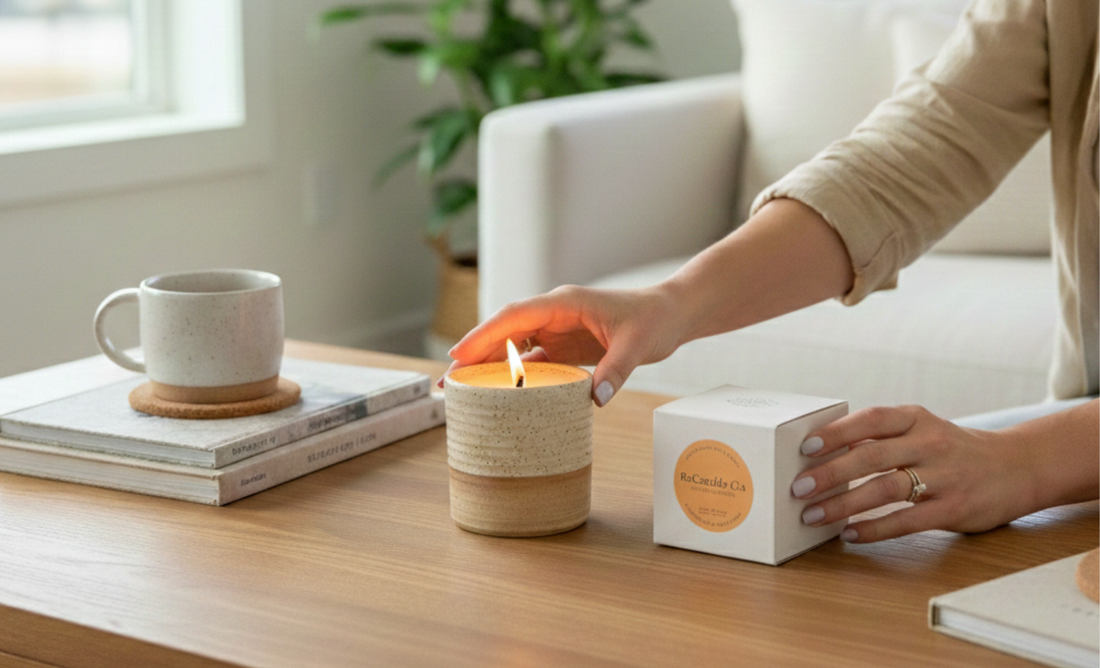
What makes a candle brand sustainable on Shopify?
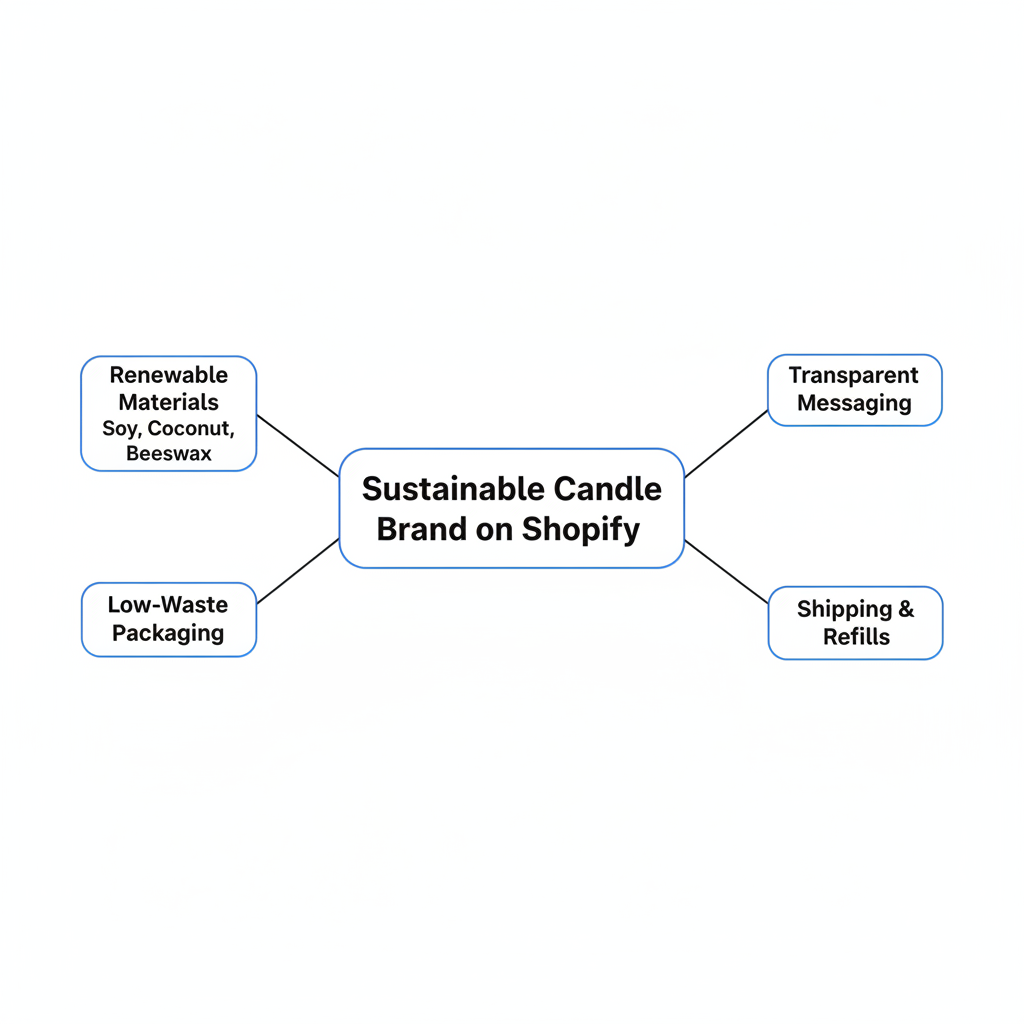
A sustainable candle brand uses renewable materials, lower-waste packaging, and transparent storefront messaging. On Shopify, sustainability is not just about ingredients. It is also about how you package, ship, refill, and explain your choices.
The best sustainable candle stores usually combine a few clear practices. They use waxes like soy, coconut, rapeseed, or beeswax, avoid heavy plastic packaging, offer reusable vessels or refill systems, and show practical details like burn time, sourcing, and disposal instructions. That last part matters more than many merchants think.
When I test Shopify stores in this niche, the highest-converting ones rarely make vague claims like "eco" or "clean." They say exactly what the jar is made from, whether the wick is cotton or FSC-certified wood, whether the label uses soy ink, and whether the outer box is recyclable or compostable.
Why does this matter for conversion?
Clear sustainability messaging helps shoppers trust premium pricing. Research in this space shows eco-focused stores can see 15-20% conversion lifts when trust signals and impact messaging are presented well.
Candle buyers are especially sensitive to product quality and safety. They want to know what they are burning in their homes. If your Shopify store answers those questions directly, you reduce hesitation and make it easier for shoppers to justify a higher average order value.
What are the best eco-friendly materials for candles?
The best eco-friendly candle materials are soy wax, coconut wax, beeswax, rapeseed or candelilla wax, cotton wicks, wooden wicks, and phthalate-free fragrance options. The right choice depends on your brand positioning, vegan requirements, and price point.
Below is a practical comparison based on current candle-making guidance and what I see sustainable brands actually selling on Shopify.
| Material | Why brands use it | Possible downside | Best fit |
|---|---|---|---|
| Soy wax | Renewable, biodegradable, lower soot, often burns 20-50% slower than paraffin | Can frost cosmetically, scent throw varies by blend | Most DTC candle brands |
| Coconut wax | Creamy finish, even burn, premium feel, low pesticide profile | Usually more expensive | Luxury candle brands |
| Beeswax | Long burn, natural origin, premium positioning | Not vegan, higher cost, subtle scent profile | Natural and artisanal brands |
| Rapeseed or candelilla wax | Vegan, renewable, biodegradable | Less familiar to mainstream shoppers | European sourcing or vegan brands |
| Cotton wick | Simple, clean burn, easy to explain to customers | Less distinctive than wood wick | Everyday candle lines |
| Wooden wick | Crackle effect, premium feel, strong branding angle | Needs better testing for performance consistency | Giftable and premium candles |
One stat worth remembering is that paraffin can produce far more soot than cleaner alternatives. Some industry sources cite up to 11x more soot compared with cleaner-burning options. That does not mean every paraffin candle is bad, but it does make cleaner waxes easier to market honestly.
If you are selling handmade candles on Shopify, I would start with soy wax or a soy-coconut blend. It is usually the easiest combination to source, explain, and price. For premium brands, a refillable ceramic vessel plus coconut blend can create a strong margin-friendly bundle offer.

How do I make candles more eco-friendly before I even think about apps?
You make candles more eco-friendly by improving the product itself first. Start with wax, wick, fragrance, container, and packaging. Then use apps to support those choices, not to cover for weak ones.
I have seen merchants install five apps to talk about sustainability while still shipping a small candle in oversized plastic-heavy packaging. Customers notice that mismatch quickly. The product and packaging have to feel consistent with the brand promise.
Use cleaner-burning wax and wick combinations
The simplest upgrade is switching away from paraffin-heavy formulas toward soy, coconut, or beeswax blends. Pair that with cotton or FSC-certified wooden wicks and test carefully for burn quality.
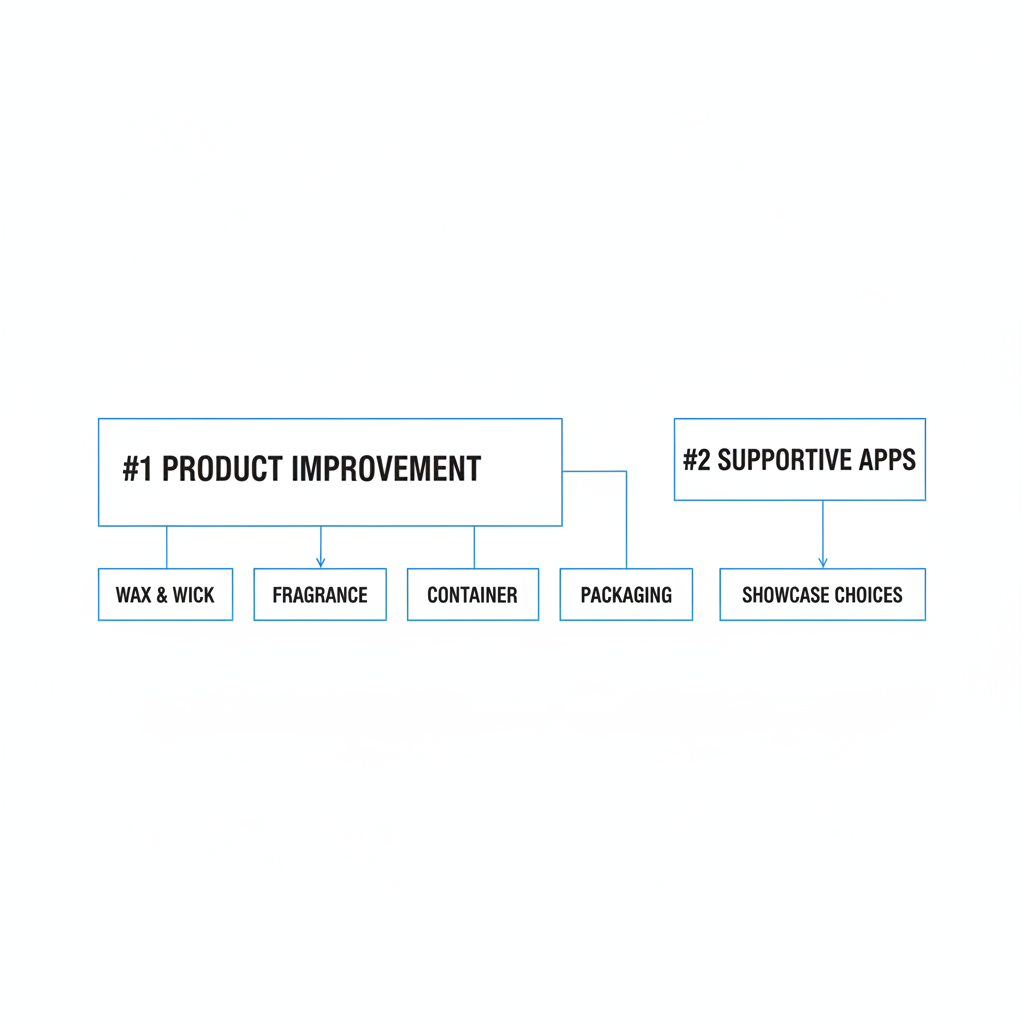
A practical starting formula for many makers is a soy-based candle poured at the correct temperature, with fragrance added around 165°F and the candle cured for at least 24 hours before testing. For customer education, include first-burn guidance like 3-4 hours for a full melt pool and wick trimming to 1/4 inch.
Choose reusable or recyclable vessels
Reusable jars and refillable vessels are one of the strongest sustainability plays in candles. They reduce waste and create a built-in repeat purchase model.
In practice, this can be as simple as selling a starter candle in a durable glass or ceramic vessel, then offering lower-cost refills afterward. That approach also works well with subscriptions, bundles, and seasonal scent launches.
Reduce packaging layers
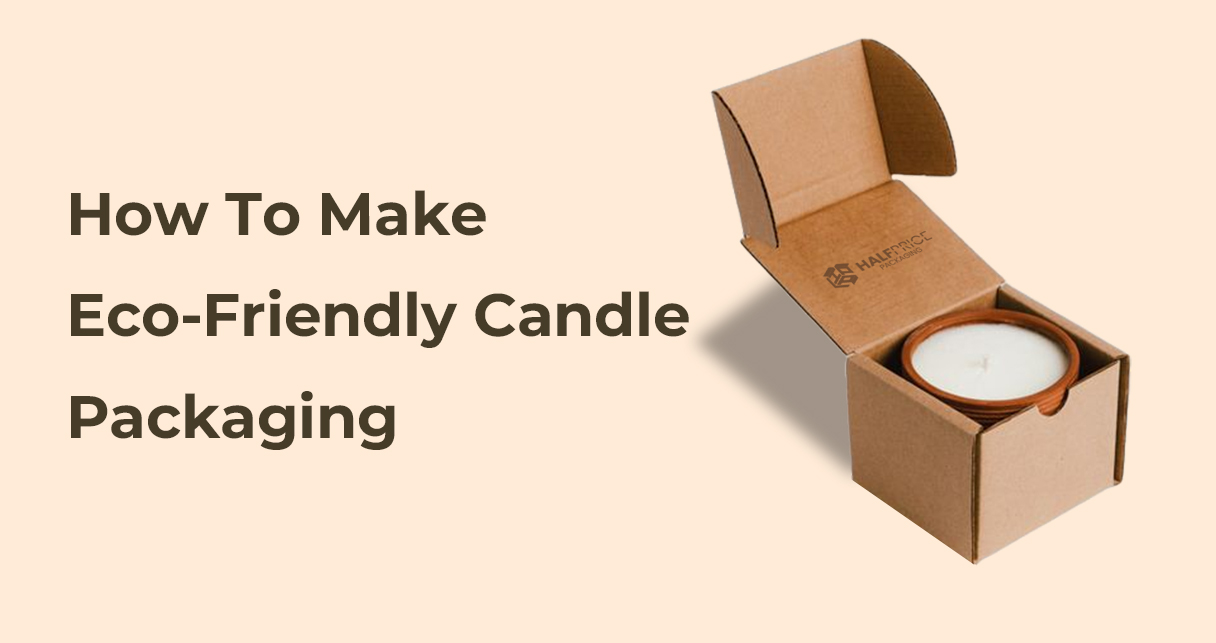
The best eco-friendly candle packaging is usually minimal, protective, and easy to dispose of responsibly. Think kraft boxes, recycled paperboard inserts, paper tape, and soy-ink labels.
For candles, you still need enough structure to prevent breakage. So the goal is not zero packaging at all costs. The goal is right-sized packaging with fewer mixed materials and less dead space.
Make disposal instructions part of the product experience
Sustainability messaging should include what happens after the candle is used. Tell customers whether the jar is reusable, recyclable, or refillable, and how to clean leftover wax safely.
This is one of those tiny ecommerce details that can separate thoughtful brands from generic ones. It also gives you better content for product pages, packaging inserts, and post-purchase email flows.
What is the best sustainable packaging for candle brands?
The best sustainable packaging for candle brands is recyclable paper-based packaging that still protects fragile jars. For most stores, that means kraft boxes, molded paper inserts, paper tape, compostable void fill, and minimal plastic.
Candles are harder than apparel or supplements because they are both fragile and heavy. So you need packaging that survives shipping without turning into a pile of mixed-material waste. In my experience, the winning setup is usually simple: sturdy recycled box, snug insert, one branded card, and no extra filler unless absolutely necessary.
| Packaging element | Sustainable option | Why it works for candles |
|---|---|---|
| Outer box | Recycled kraft mailer or carton | Protective, recyclable, easy to brand |
| Internal protection | Molded paper insert or corrugated divider | Reduces breakage without foam |
| Void fill | Recycled paper or compostable fill | Prevents movement in transit |
| Sealing | Paper tape | More recyclable than plastic tape in many setups |
| Branding | Soy-ink labels and minimal inserts | Keeps packaging attractive without excess waste |
If you sell wax melts too, avoid defaulting to plastic clamshells unless there is a very strong operational reason. Many brands now use recyclable cartons, glassine bags, or paper-forward refill systems instead. The packaging has to support the product, but it should not undermine the brand story.
Which Shopify apps are best for sustainable candles shopify apps use cases?
The best sustainable candles Shopify apps help with eco-friendly packaging, carbon reporting, returns, and refill or reuse workflows. The most relevant options for candle brands are EcoPack, Packhelp, NoIssue, Loop Returns, and Shopify Sustainability.
Not every app listed below will fit every store. A handmade startup doing 50 orders a month has very different needs from a scaling candle brand shipping thousands of glass jars. I would choose based on your packaging complexity, whether you offer refills, and how much operational control you want.
| App | Best for | Pricing | Why I would consider it |
|---|---|---|---|
| EcoPack | Packaging customization and recycled material tracking | $19-$99/month | Useful if you want to highlight recyclable mailers, soy-ink labels, and carbon offset options |
| Packhelp | Custom sustainable packaging workflows | $29+/month plus packaging costs | Good for brands that want more control over branded boxes and inserts |
| NoIssue | Compostable mailers and branded packaging | $0.50-$2/unit | Best if packaging itself is part of your customer experience and gifting strategy |
| Loop Returns | Returns and circular workflows | $59/month+ | Interesting for refillable jars, return incentives, and reuse programs |
| Shopify Sustainability | Carbon and sourcing visibility | Free | Easy starting point for stores that want better reporting without another paid stack item |
One note here: I always tell merchants to be careful with app sprawl. If your theme, product pages, and packaging inserts are not clear, an app will not fix the underlying problem. Use apps to support operational execution and proof, not as a substitute for a coherent sustainability offer.
How should I set up a sustainable candle product page on Shopify?
A sustainable candle product page should answer what it is made from, why it is better, how it burns, and what happens after use. Customers should not have to hunt for sustainability details.
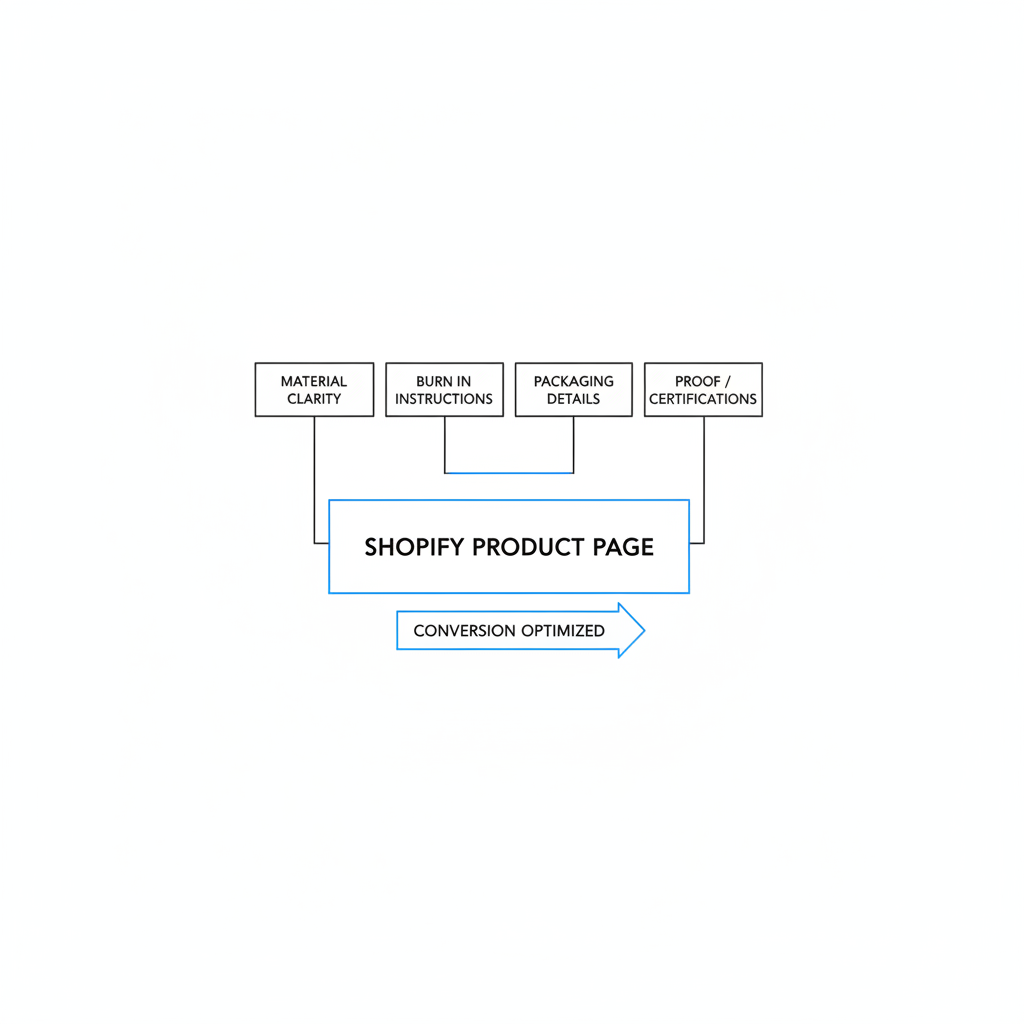
When I review product pages for merchants, I look for four things first: material clarity, burn instructions, packaging details, and proof. If those are missing, conversion usually suffers because the shopper is left making assumptions.
Include these details above the fold or close to the buy box
The best product pages put core sustainability facts near the add to cart button. That includes wax type, wick type, vessel material, burn time, and packaging claims.
- Wax: Soy, coconut, beeswax, or blend
- Wick: Cotton or FSC-certified wood
- Fragrance: Phthalate-free or essential oil based if accurate
- Packaging: Recyclable, compostable, or refillable details
- End of life: Reuse jar, recycle box, buy refill
If you also want to increase AOV, pair this with a refill or accessory upsell. I cover related tactics in Shopify upsell on the product page, and many of those ideas work especially well for candle care kits, wick trimmers, and refill bundles.
Use reviews and UGC to support sustainability claims
Reviews help validate claims that are otherwise hard to prove visually. For candles, customer comments about clean burn, long burn time, reusable jars, and gift-worthy packaging are especially persuasive.
For social proof, my own app Lumo Reviews is designed to help merchants display reviews in a clean way without cluttering the storefront. If you sell premium candles, visual review placement matters because too much noise can cheapen the brand.
Can refillable candles work well on Shopify?
Yes, refillable candles can work extremely well on Shopify because they combine sustainability, repeat purchases, and premium branding. They are one of the best business models in this niche if your operations can support them.
Refill systems are attractive because they solve two problems at once. They reduce waste and give customers a reason to come back for the next scent. That is much stronger than relying only on one-off seasonal launches.
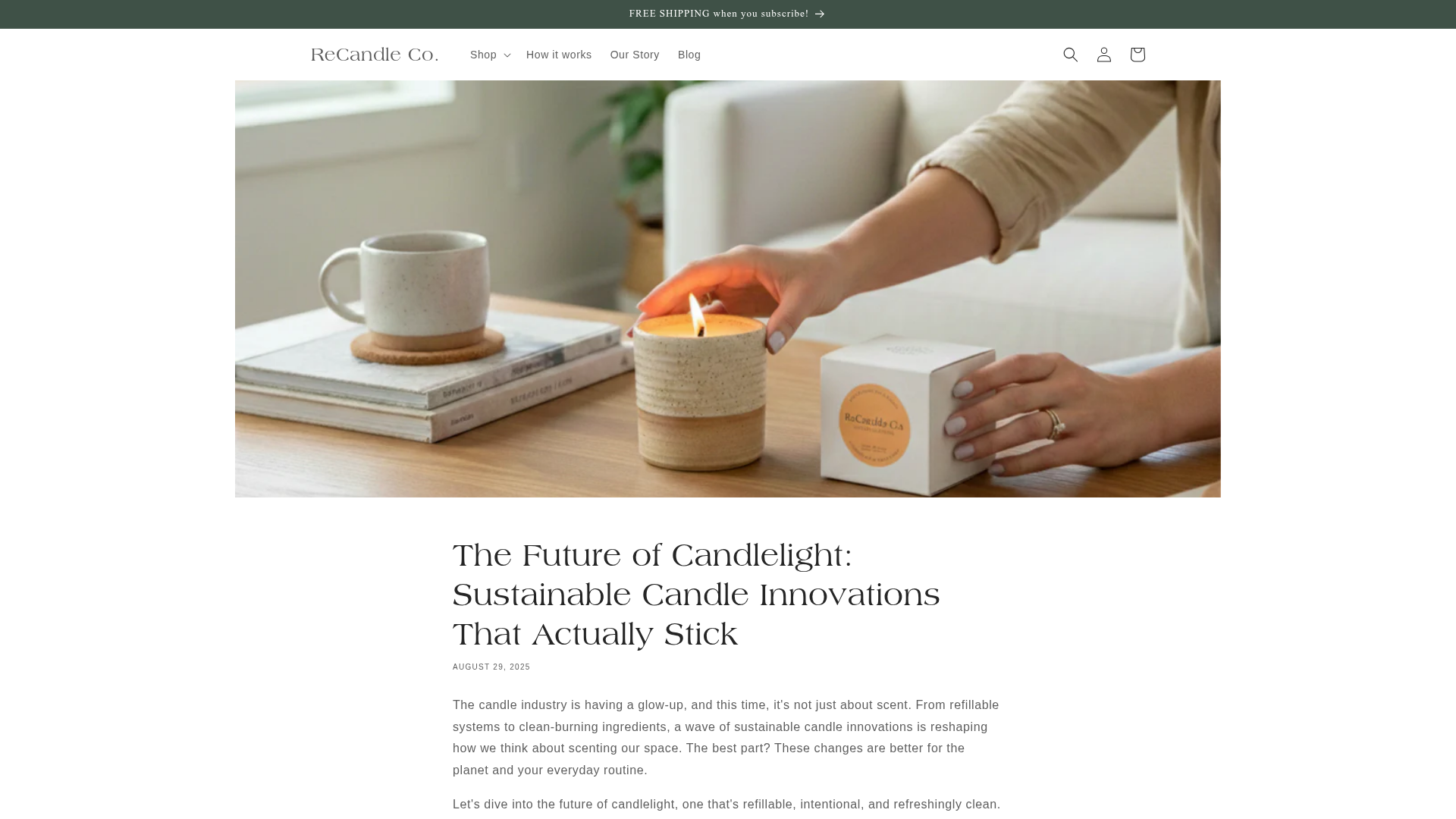
Brands like ReCandle have helped push this model forward, and the concept is easy for customers to understand when presented well. Sell the vessel once, then make the refill the recurring purchase. That can improve retention and reduce packaging cost per repeat order.
How do I structure refill offers?
The simplest structure is a starter kit plus refill model. The starter kit includes the vessel and first scent. Refills are sold as lower-cost follow-up purchases.
- Sell a premium reusable jar or ceramic vessel.
- Offer scent refills as separate products or bundles.
- Add a reorder email flow 30-45 days after delivery.
- Use a returns or loyalty workflow if you also want jar recovery.
If you sell curated scent bundles, some of the same merchandising ideas from build a box in Shopify can work nicely for seasonal refill sets.
How can apps improve AOV for sustainable candle stores without hurting the brand?
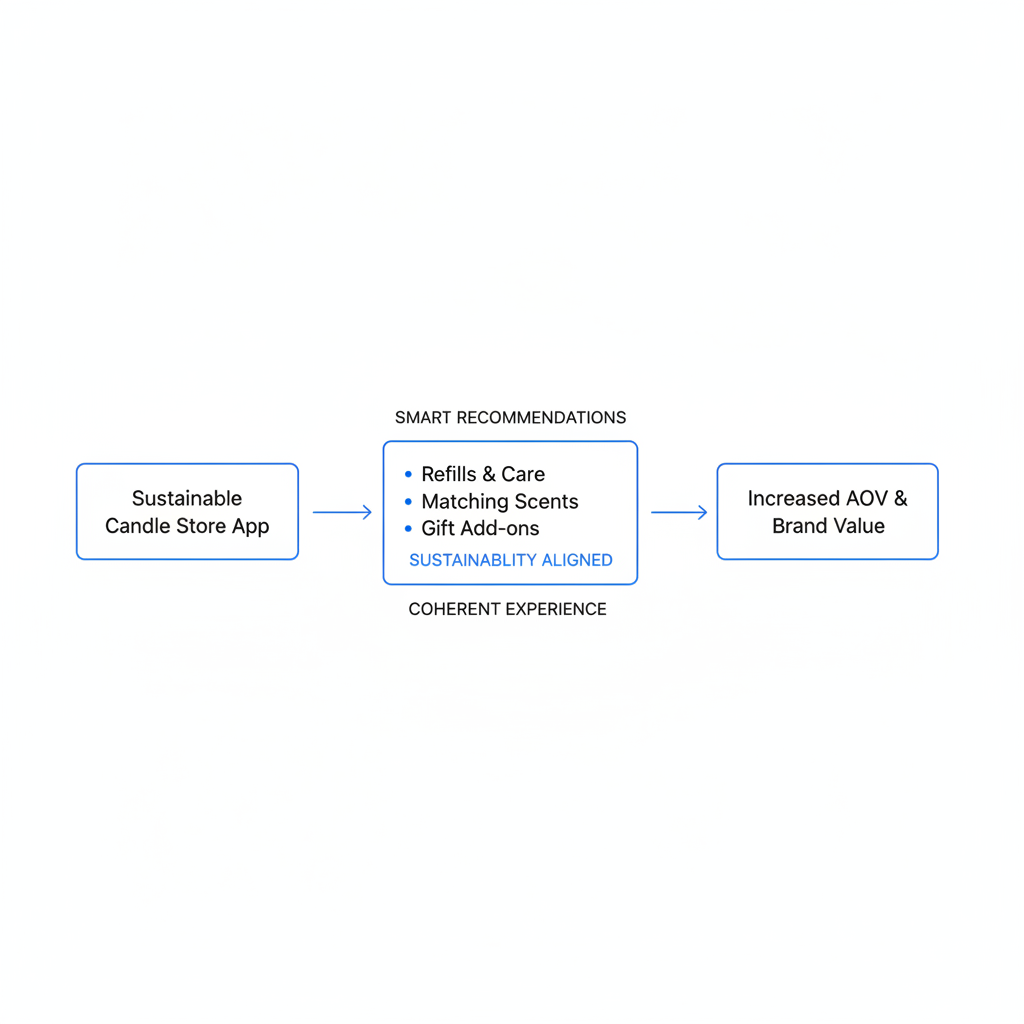
Apps can improve AOV by recommending refills, care accessories, matching scents, and gift add-ons in a way that feels useful rather than pushy. The key is to keep the offers aligned with the sustainability story.
For example, a candle brand can upsell a wick trimmer, a reusable match jar, or a refill pack instead of random impulse products. That feels coherent. It also tends to convert better because the shopper understands why the extra item belongs with the purchase.
My own app SellUp is built around this kind of focused upsell logic. For candle stores, I would usually test product page offers for refills and cart offers for gift wrap or scent bundles. If you want more ideas, see our guides on creating cart upsells in Shopify and reducing abandoned carts.
What mistakes do sustainable candle brands make on Shopify?
The biggest mistakes are vague eco claims, overpackaging, weak product education, and using too many apps without a clear strategy. Most of these are fixable with better merchandising and clearer operations.
Here are the issues I see most often when reviewing stores in this niche.
- Saying "natural" without specifics. Customers want to know the exact wax, wick, and fragrance approach.
- Using sustainable language with unsustainable packaging. A recyclable candle in a plastic-heavy shipment creates friction immediately.
- Skipping burn and care instructions. Poor burn performance often becomes a support issue, not just a product issue.
- Not explaining price. Premium sustainable materials need premium storytelling.
- Ignoring repeat purchase design. Candles should naturally lead to refills, bundles, or giftable add-ons.
In my experience building apps for Shopify merchants, the stores that win are not necessarily the ones with the most features. They are the ones with the most coherent offer. A shopper should understand your sustainability angle in less than 10 seconds.
How do I launch a sustainable candle store on Shopify step by step?
To launch a sustainable candle store on Shopify, choose your materials first, define your packaging system second, and install apps only after your core offer is clear. That keeps the store focused and easier to optimize.
- Choose your candle format. Jar candle, refillable candle, wax melts, or gift sets.
- Pick your material standards. Wax type, wick type, fragrance standard, and container material.
- Design protective low-waste packaging. Test for breakage before scaling ads.
- Build product pages around proof. Materials, burn time, care, and disposal instructions.
- Add the right apps. Packaging, sustainability reporting, reviews, and upsells.
- Create repeat purchase paths. Refills, subscriptions, bundles, or seasonal scent drops.
- Measure conversion and reorder rate. Sustainability should improve trust, not just aesthetics.
If you are new to Shopify overall, our post on the best Shopify apps for beginners is a useful companion because it covers the basics without assuming a big team or a large budget.
Are sustainable candles a good niche for Shopify in 2026?
Yes, sustainable candles are a strong Shopify niche in 2026 because they combine giftability, repeat purchase potential, and strong storytelling. They also fit well with DTC branding, especially when you offer refills or bundled scent collections.
Recent data points in this space suggest eco-candle sales on Shopify are up around 35% year over year. That does not mean every candle store will win, but it does show continued demand for cleaner-burning, better-designed home fragrance products.
The opportunity is strongest for brands that do three things well: make the product genuinely better, package it responsibly, and explain it clearly. That is where sustainable candles Shopify apps become useful. They help operationalize the promise, but the promise still has to be real.
In my experience, the best sustainable Shopify stores do not try to sound perfect. They sound specific. Specificity builds trust, and trust sells premium products.
If you are building a candle brand today, I would start with a simple line of well-tested soy or coconut candles, recyclable packaging, and one clear repeat-purchase angle like refills or seasonal bundles. Then add apps carefully as the business grows.