
Aqui estão 20 ideias potenciais de pequenos negócios online para você considerar:
- Loja de e-commerce para um nicho específico de produtos
- Serviço de aulas particulares online
- Planejamento e coordenação de eventos virtuais
- Gestão de redes sociais
- Dropshipping
- Consultoria em otimização para mecanismos de busca (SEO)
- Criação e venda de cursos online
- Serviços virtuais de escrituração e contabilidade
- Desenvolvimento de apps
- Serviço online de personal shopper e consultoria de estilo
- Design e desenvolvimento de sites
- Serviços de design gráfico
- Agência de marketing digital
- Negócio de camisetas print-on-demand (sob demanda)
- Consultoria virtual de design de interiores
- Educação em trading de ações e commodities
- Treinamento pessoal virtual e coaching fitness
- Começar um negócio de acessórios para pets
- Loja de beleza e-commerce
- Serviços de redação e edição
1. Loja de e-commerce para um nicho específico de produtos
Começar uma loja de e-commerce para um nicho específico de produtos envolve várias etapas, incluindo pesquisa, sourcing de produtos, criação e lançamento da sua loja online e marketing do seu negócio. Em 2025, o mercado global de e-commerce deve chegar a US$ 6,42 trilhões, com as vendas online representando mais de 20% do total de vendas do varejo no mundo.
Primeiro, pesquise seu nicho para entender o público-alvo, a concorrência existente e a demanda potencial pelos seus produtos. Com as ferramentas de IA se tornando populares em 2025, você pode aproveitar essas tecnologias para pesquisa de mercado e insights sobre clientes. Em seguida, encontre um fornecedor confiável para os produtos que você deseja vender. Isso pode ser feito por meio de marketplaces online, atacadistas ou até fabricando seus próprios produtos.
Depois, crie e lance sua loja online usando uma plataforma como a Shopify. Escolha um design visualmente atraente, organize seus produtos de forma fácil de usar e garanta que todas as informações necessárias estejam presentes, como descrições de produtos, preços e detalhes de envio. A otimização para dispositivos móveis é essencial em 2025, já que o m-commerce agora representa mais de 60% de todas as vendas globais de e-commerce.
Por fim, divulgue seu negócio para atrair clientes para sua loja. Isso pode ser feito por vários canais, como redes sociais, Google Ads ou marketing de influenciadores. Em 2025, o social commerce deve alcançar US$ 1,2 trilhão globalmente, tornando plataformas como Instagram, TikTok e Facebook essenciais para alcançar clientes. É importante ter uma estratégia de marketing e analisá-la e otimizá-la continuamente para garantir o crescimento do seu negócio. E não se esqueça de garantir que seu site e o processo de checkout estejam otimizados para conversões, com boa experiência no mobile e amigáveis para SEO.
No geral, começar uma loja de e-commerce para um nicho específico de produtos pode ser uma ótima forma de transformar a paixão por um determinado produto ou setor em um pequeno negócio online de sucesso. Com trabalho duro, persistência e um pouco de conhecimento, você pode iniciar sua jornada no e-commerce em pouco tempo.
2. Serviço de aulas particulares online
Outra ideia de pequeno negócio online é iniciar um serviço de aulas particulares online, o que envolve várias etapas, incluindo identificar seu nicho e mercado-alvo, desenvolver um currículo ou plano de aulas e construir uma presença online para o seu negócio. O mercado de educação online está crescendo de forma acelerada e deve atingir US$ 341,72 bilhões em 2025.
Primeiro, identifique seu nicho e mercado-alvo. Quais matérias ou habilidades você quer ensinar? Quem são seus potenciais alunos? Entender seu nicho e mercado-alvo ajudará você a desenvolver um currículo ou plano de aulas alinhado às necessidades e interesses deles.
Em seguida, crie um currículo ou plano de aulas que inclua uma variedade de materiais didáticos, como vídeos, quizzes e atividades interativas. Isso ajudará você a oferecer aulas envolventes e eficazes. Com mais de 73,8 milhões de usuários previstos para participar do aprendizado online até o fim de 2025, a demanda por conteúdo educacional de qualidade continua crescendo.
Depois disso, você precisa construir uma presença online para o seu negócio. Isso pode ser feito criando um site e contas em redes sociais para divulgar seu serviço e atrair potenciais alunos. Esse site deve ser profissional, fácil de navegar e conter todas as informações necessárias sobre seu serviço, preços e formas de contato. Você também pode considerar usar uma plataforma de aulas online como Zoom, Skype ou Google Meet para conduzir suas aulas.
Por fim, divulgue seu serviço por diversos canais, como redes sociais, Google Ads ou marketing de influenciadores. Faça networking com outros educadores, pais e profissionais para ampliar seu alcance e conseguir mais alunos. É importante ter uma estratégia de marketing e analisá-la e otimizá-la continuamente para garantir o crescimento do seu negócio.
Começar um serviço de aulas particulares online pode ser uma ótima forma de compartilhar seu conhecimento e habilidades com outras pessoas enquanto gera renda. Com trabalho duro, persistência e um pouco de conhecimento, você pode começar seu pequeno negócio online de tutoria em pouco tempo.
3. Planejamento e coordenação de eventos virtuais

Começar um negócio online de planejamento e coordenação de eventos virtuais envolve várias etapas, incluindo pesquisar o mercado, desenvolver uma proposta única de valor e construir uma presença online para o seu negócio.
Primeiro, pesquise o mercado para entender a demanda por serviços de planejamento e coordenação de eventos virtuais, a concorrência existente e os tipos de eventos com maior procura. Isso pode ajudar você a identificar um nicho no qual se especializar e desenvolver uma proposta única de valor (USP) para o seu negócio.
Em seguida, desenvolva uma USP que diferencie seu negócio dos demais no mercado. Por exemplo, você pode se especializar em conferências virtuais, eventos virtuais de networking ou atividades virtuais de team building. Ou pode focar em um setor específico ou em um mercado-alvo.
Depois disso, você precisa construir uma presença online para o seu negócio. Isso pode ser feito criando um site e contas em redes sociais para divulgar seus serviços e atrair potenciais clientes. Garanta que o site seja profissional, fácil de navegar e inclua todas as informações necessárias sobre seus serviços, preços e formas de contato.
Por fim, divulgue seus serviços por diversos canais, como redes sociais, Google Ads ou marketing de influenciadores. Faça networking com outros organizadores de eventos, profissionais e empresários para ampliar seu alcance e conseguir mais clientes. É importante ter uma estratégia de marketing e analisá-la e otimizá-la continuamente para garantir o crescimento do seu negócio.
Começar um negócio online de planejamento e coordenação de eventos virtuais pode ser uma ótima forma de transformar sua paixão por planejar e coordenar eventos em um negócio de sucesso. Com trabalho duro, persistência e um pouco de conhecimento, você pode iniciar sua jornada de planejamento e coordenação de eventos virtuais em pouco tempo.
4. Gestão de redes sociais

Para estabelecer um negócio online de gestão de redes sociais, é preciso seguir algumas etapas, como pesquisar o setor, criar um diferencial, montar uma presença online e adquirir as habilidades necessárias. Para começar, pesquise o mercado para medir a demanda por serviços de gestão de redes sociais, entender a concorrência e se familiarizar com as plataformas mais usadas pelas empresas. Essa pesquisa ajudará a identificar um nicho e a desenvolver uma proposta única de valor (USP) para o seu negócio.
Em seguida, crie uma USP que diferencie seu negócio dos demais no mercado. Isso pode incluir se especializar em um setor específico ou em um mercado-alvo, ou oferecer serviços que não são comumente fornecidos por outras empresas de gestão de redes sociais, como análises (analytics) ou publicidade. Em 2025, ferramentas com IA estão revolucionando a gestão de redes sociais, com 92% das empresas já usando IA para fortalecer sua presença online.
Depois disso, monte uma presença online para o seu negócio criando um site profissional e contas em redes sociais para divulgar seus serviços e atrair potenciais clientes. O site deve ser fácil de navegar e incluir todas as informações relevantes sobre seus serviços, preços e formas de contato.
Em seguida, adquira as habilidades e o conhecimento necessários para gerenciar contas de redes sociais de empresas com eficiência. Isso pode incluir entendimento das plataformas, analytics e métricas, e anúncios em redes sociais. Treinamentos e certificações podem ajudar a desenvolver essas habilidades. Com a expectativa de que os usuários de redes sociais ultrapassem 6 bilhões até 2028, a expertise nessa área é cada vez mais valiosa.
Por fim, divulgue seus serviços por diversos canais, como redes sociais, Google Ads ou marketing de influenciadores. Faça networking com outros empresários e profissionais do seu setor para ampliar seu alcance e conquistar mais clientes. Analise e otimize continuamente sua estratégia de marketing para garantir o crescimento do seu negócio.
Começar um negócio online de gestão de redes sociais pode ser uma oportunidade empolgante de transformar sua paixão por redes sociais em um empreendimento de sucesso. Com esforço, determinação e o conhecimento certo, você pode iniciar sua jornada na gestão de redes sociais.
5. Dropshipping
Começar um negócio online de dropshipping é um processo relativamente simples e pode ser feito em algumas etapas. O mercado global de dropshipping deve alcançar US$ 464,4 bilhões em 2025, crescendo a uma taxa de mais de 22% ao ano:
- Pesquise seu nicho: defina quais produtos você quer vender e pesquise a demanda, a concorrência e as margens de lucro nesse nicho. Em 2025, nichos em alta no dropshipping incluem produtos ecológicos, beleza e cuidados pessoais, suprimentos para pets e decoração para casa.
- Escolha uma plataforma: você pode usar plataformas como Shopify ou BigCommerce para montar sua loja online. Elas são fáceis de usar e se integram a apps de dropshipping.
- Encontre um fornecedor: procure um fornecedor que ofereça serviços de dropshipping e tenha boa reputação. AliExpress, Spocket e Oberlo são opções populares. Em 2025, prazos de entrega mais rápidos estão se tornando prioridade, então considere fazer parceria com fornecedores que ofereçam opções de entrega mais ágeis.
- Configure sua loja: personalize o design e o layout da sua loja, adicione produtos e configure opções de pagamento e envio. Garanta um processo de checkout claro e simples.
- Lance sua loja: quando sua loja estiver pronta, lance e comece a divulgá-la. Use redes sociais e outras técnicas de marketing para atrair clientes. TikTok e Instagram são especialmente eficazes para dropshipping em 2025.
- Otimize sua loja e seu marketing: analise e otimize continuamente o design e o layout da loja, os produtos e a estratégia de marketing para melhorar as conversões e aumentar as vendas.
- Monitore seu fornecedor e acompanhe o estoque: fique de olho nos níveis de estoque e nos preços do fornecedor para garantir que sua loja tenha os produtos e valores mais atualizados.
- Ofereça um excelente atendimento ao cliente: responda a dúvidas e reclamações de forma rápida e profissional para construir confiança e fidelidade.
Começar um pequeno negócio online de dropshipping é uma forma fácil de entrar no e-commerce com baixo custo inicial. Com a pesquisa certa, plataforma, fornecedor e estratégia, você pode lançar rapidamente sua própria loja online e começar a vender produtos.
Para ajudar a vender seus produtos, você pode instalar apps da Shopify para aumentar a receita. O Delivery Timer ajuda a incentivar os clientes a finalizarem a compra mais rápido na sua loja, pois o app mostra um contador para que eles saibam até quando precisam comprar para receber os itens em determinada data.
Lembre-se de que, como em qualquer negócio, é importante ser persistente e analisar e melhorar continuamente sua operação para alcançar o sucesso.
6. Consultoria em Search Engine Optimization (SEO)
Começar um negócio de consultoria em Search engine optimization (SEO) envolve várias etapas, incluindo adquirir as habilidades e o conhecimento necessários, construir uma presença online e divulgar seus serviços para potenciais clientes.
Primeiro, adquira as habilidades e o conhecimento necessários para oferecer serviços de SEO. Isso pode incluir entender boas práticas de SEO, pesquisa de palavras-chave, otimização on-page, link building e analytics. Treinamentos e certificações podem ajudar a desenvolver essas habilidades. Em 2025, ferramentas de IA estão transformando o SEO, tornando essencial entender como aproveitar essas tecnologias para obter melhores resultados.
Em seguida, construa uma presença online para o seu negócio. Isso pode ser feito criando um site e contas em redes sociais para divulgar seus serviços e atrair potenciais clientes. Garanta que o site seja profissional, fácil de navegar e inclua todas as informações necessárias sobre seus serviços, preços e formas de contato.
Por fim, divulgue seus serviços por diversos canais, como redes sociais, Google Ads ou marketing de influenciadores. Faça networking com empresários, profissionais e donos de sites para ampliar seu alcance e conseguir mais clientes. É importante ter uma estratégia de marketing e analisá-la e otimizá-la continuamente para garantir o crescimento do seu negócio.
Começar um negócio de consultoria em SEO pode ser uma ótima forma de transformar sua paixão por mecanismos de busca e marketing online em um negócio de sucesso. Com trabalho duro, persistência e um pouco de conhecimento, você pode iniciar sua jornada de consultoria em SEO em pouco tempo.
7. Criação e venda de cursos online
Começar um negócio de criação de cursos online e vendas envolve várias etapas, incluindo identificar seu nicho e mercado-alvo, desenvolver o material do curso e construir uma presença online para o seu negócio. O mercado de cursos online está em alta, com o mercado global avaliado em US$ 251,46 bilhões em 2025 e com expectativa de crescer 17,58% ao ano.
Primeiro, identifique seu nicho e mercado-alvo. Quais temas ou habilidades você quer ensinar? Quem são seus potenciais alunos? Entender seu nicho e mercado-alvo ajudará você a desenvolver um curso alinhado às necessidades e interesses deles.
Em seguida, desenvolva o material do seu curso. Isso pode incluir criar aulas em vídeo, quizzes e outros elementos interativos que ajudem os alunos a aprender e se engajar com o conteúdo. Garanta que seu curso seja bem organizado e fácil de acompanhar. Em 2025, os alunos retêm de 25% a 60% mais informações em cursos online em comparação com ambientes tradicionais de sala de aula.
Depois disso, você precisa construir uma presença online para o seu negócio. Isso pode ser feito criando um site e contas em redes sociais para divulgar seu curso e atrair potenciais alunos. Você também pode usar plataformas como Udemy, Skillshare ou Coursera para hospedar e vender seu curso. Garanta que o site seja profissional, fácil de navegar e inclua todas as informações necessárias sobre seu curso, preços e formas de contato.
Por fim, divulgue seu curso por diversos canais, como redes sociais, Google Ads ou marketing de influenciadores. Faça networking com outros educadores, profissionais e empresários para ampliar seu alcance e conseguir mais alunos. É importante ter uma estratégia de marketing e analisá-la e otimizá-la continuamente para garantir o crescimento do seu negócio.
8. Serviços virtuais de escrituração e contabilidade
Para lançar uma empresa de serviços virtuais de escrituração e contabilidade, é preciso seguir algumas etapas, como obter as habilidades e qualificações relevantes, construir uma presença online e promover seus serviços para potenciais clientes. Para começar, adquira as habilidades e certificações necessárias para oferecer serviços de escrituração e contabilidade. Isso pode incluir obter um diploma em contabilidade ou área relacionada e obter certificações como Certified Public Accountant (CPA) ou uma certificação QuickBooks ProAdvisor.
Em seguida, estabeleça uma presença online para o seu negócio criando um site profissional e contas em redes sociais para divulgar seus serviços e atrair clientes. O site deve ser fácil de navegar e incluir todas as informações relevantes sobre seus serviços, preços e formas de contato.
Quando sua presença online estiver estabelecida, monte a infraestrutura e as ferramentas necessárias para operar o negócio, como software de contabilidade, ferramentas de comunicação e gestão de projetos e protocolos de segurança para garantir a proteção e a confidencialidade das informações dos seus clientes. Em 2025, ferramentas contábeis com IA estão ajudando empresas a automatizar tarefas rotineiras e melhorar a precisão.
Depois disso, promova seus serviços por diversos canais, como redes sociais, Google Ads ou marketing de influenciadores. Faça networking com empresários, profissionais e outros prestadores de serviços de contabilidade e escrituração para ampliar seu alcance e conquistar mais clientes. Analise e otimize continuamente sua estratégia de marketing para garantir o crescimento do seu negócio.
9. Desenvolvimento de apps
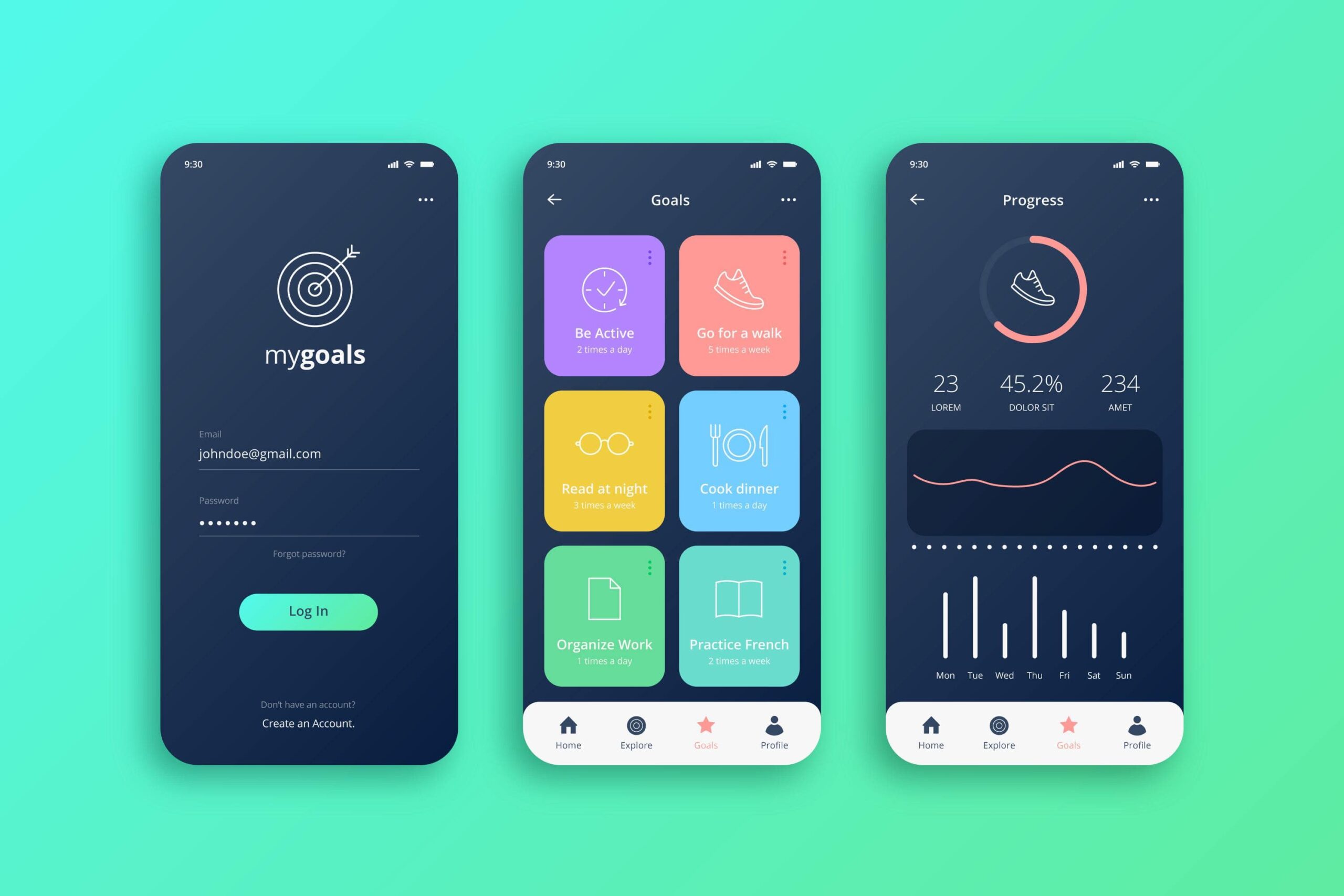
Para começar um negócio online de desenvolvimento de apps para Shopify, você precisará fazer pesquisa de mercado, criar uma proposta única de valor e estabelecer uma presença online para o seu negócio.
Comece pesquisando o mercado para entender a demanda por apps da Shopify, a concorrência e os tipos de apps com maior procura. Essa pesquisa ajudará você a identificar um nicho e criar uma proposta única de valor (USP) para o seu negócio.
Em seguida, desenvolva sua USP, que diferencie seu negócio dos demais no mercado. Por exemplo, você pode focar em um setor específico ou oferecer um recurso ou integração que normalmente não é disponibilizado por outros apps. Em 2025, apps com IA estão especialmente em alta, com empresas buscando recursos de automação e personalização.
Depois, crie uma presença online para o seu negócio com um site profissional e contas em redes sociais para divulgar seus serviços e atrair potenciais clientes. Garanta que o site seja fácil de navegar e inclua todas as informações necessárias sobre seus serviços, preços e formas de contato.
Em seguida, use a plataforma de desenvolvimento de apps da Shopify e sua API para criar seu app e enviá-lo para análise na Shopify App store. Quando seu app for aprovado, ele será listado na Shopify App store e ficará disponível para lojistas instalarem.
Por fim, divulgue seus serviços por diversos canais, como redes sociais, Google Ads ou marketing de influenciadores. Faça networking com empresários, profissionais e desenvolvedores de apps para ampliar seu alcance e conseguir mais clientes. É importante ter uma estratégia de marketing e analisá-la e otimizá-la continuamente para garantir o crescimento do seu negócio.
10. Serviço online de personal shopping e consultoria de estilo
Para começar um pequeno negócio online especializado em personal shopping e consultoria de estilo, faça pesquisa de mercado para entender demanda, concorrência e as plataformas mais usadas. Identifique um nicho, desenvolva uma proposta única de valor (USP) e crie um site profissional e contas em redes sociais para divulgar seus serviços e atrair potenciais clientes.
Adquira as habilidades e o conhecimento necessários, como entendimento de tendências de moda, técnicas de styling, formatos e proporções do corpo e conhecimento sobre diferentes tecidos e materiais.
Divulgue seus serviços por diversos canais, como redes sociais, Google Ads ou marketing de influenciadores, e faça networking com outros empresários e profissionais do seu setor. Analise e otimize continuamente sua estratégia de marketing para garantir o crescimento do seu negócio.
11. Design e desenvolvimento de sites
Começar um pequeno negócio online de design e desenvolvimento de sites envolve várias etapas importantes para garantir o sucesso. Primeiro, faça uma pesquisa de mercado completa para entender a demanda por serviços de design e desenvolvimento de sites, a concorrência existente e as diferentes plataformas mais usadas pelas empresas. Essa pesquisa ajudará você a identificar um nicho no qual se especializar e desenvolver uma proposta única de valor (USP) para o seu negócio.
Quando você tiver clareza sobre seu nicho e sua USP, é importante construir uma presença online para o seu negócio. Isso pode ser feito criando um site profissional que mostre seu portfólio e serviços, além de estabelecer contas em redes sociais para divulgar seu negócio e se conectar com potenciais clientes. Seu site deve ser fácil de usar, simples de navegar e incluir todas as informações necessárias sobre seus serviços, preços e formas de contato.
Além de construir uma presença online, é essencial adquirir as habilidades e o conhecimento necessários para projetar e desenvolver sites com eficiência. Isso pode incluir entendimento de linguagens de web design e desenvolvimento, como HTML, CSS, JavaScript, e frameworks como WordPress, Shopify, ReactJS, AngularJS etc. Considere fazer treinamentos e certificações relevantes para adquirir as habilidades e o conhecimento necessários para ter sucesso nessa área. Em 2025, ferramentas de IA estão ajudando designers a trabalhar com mais eficiência, e muitas empresas já esperam capacidades aprimoradas por IA.
Marketing é um componente-chave para o sucesso de qualquer negócio, e design e desenvolvimento de sites não é exceção. Divulgue seus serviços por diversos canais, como redes sociais, Google Ads ou marketing de influenciadores. Faça networking com outros empresários e profissionais do seu setor para ampliar seu alcance e conquistar mais clientes. Analise e otimize continuamente sua estratégia de marketing para garantir o crescimento do seu negócio.
12. Serviços de design gráfico
Outra ideia de pequeno negócio online é começar um serviço de design gráfico. Veja como você pode iniciar:
- Desenvolva um portfólio forte do seu trabalho. Isso será a primeira coisa que potenciais clientes verão, então garanta que seja profissional e destaque seus melhores projetos.
- Crie um site para o seu negócio. Garanta que seja visualmente agradável, fácil de navegar e inclua informações sobre seus serviços e portfólio.
- Estabeleça sua marca. Isso inclui criar um logo, escolher cores e tipografia e desenvolver uma identidade visual consistente para todas as suas comunicações e materiais.
- Defina seu mercado-alvo e crie um plano de marketing para alcançá-lo. Isso pode incluir redes sociais, anúncios, networking e marketing de conteúdo.
- Defina seus preços e estabeleça um sistema de cobrança. Pesquise os valores praticados para serviços de design gráfico na sua região e determine quanto você cobrará por diferentes tipos de projetos.
- Desenvolva um contrato e estabeleça um processo claro de trabalho com clientes. Isso ajuda a garantir que você e seus clientes estejam alinhados e que as expectativas sejam atendidas.
- Melhore continuamente suas habilidades e mantenha-se atualizado com as tendências do setor. Em 2025, ferramentas de design com IA como Canva AI e Adobe Firefly estão transformando o mercado, tornando importante acompanhar as novidades.
- Faça networking e construa relacionamentos com outros profissionais do setor, como fotógrafos, desenvolvedores ou outros designers.
- Por fim, tenha paciência, seja persistente e não desista: leva tempo para construir um negócio de sucesso.
13. Agência de marketing digital
Começar uma agência de marketing digital pode ser um empreendimento gratificante e lucrativo. O primeiro passo é ter um entendimento profundo do cenário de marketing digital e das diversas táticas usadas para impulsionar o crescimento online de empresas. Isso inclui SEO, PPC, marketing em redes sociais, email marketing, marketing de conteúdo e muito mais. Em 2025, entender ferramentas de marketing com IA é essencial para se manter competitivo.
Em seguida, desenvolva um portfólio forte do seu trabalho e estudos de caso que demonstrem sua capacidade de gerar resultados para seus clientes. Depois, crie um site e estabeleça uma marca para sua agência. Em seguida, defina seu mercado-alvo e crie um plano de marketing para alcançá-lo. Faça networking e construa relacionamentos com outros profissionais do setor.
Depois, defina seus preços e estabeleça um sistema de cobrança. Desenvolva um contrato e estabeleça um processo claro de trabalho com clientes. Melhore continuamente suas habilidades e mantenha-se atualizado com as tendências do setor. Por fim, tenha paciência, seja persistente e não desista: leva tempo para construir um negócio de sucesso.
14. Negócio de camisetas print-on-demand (sob demanda)
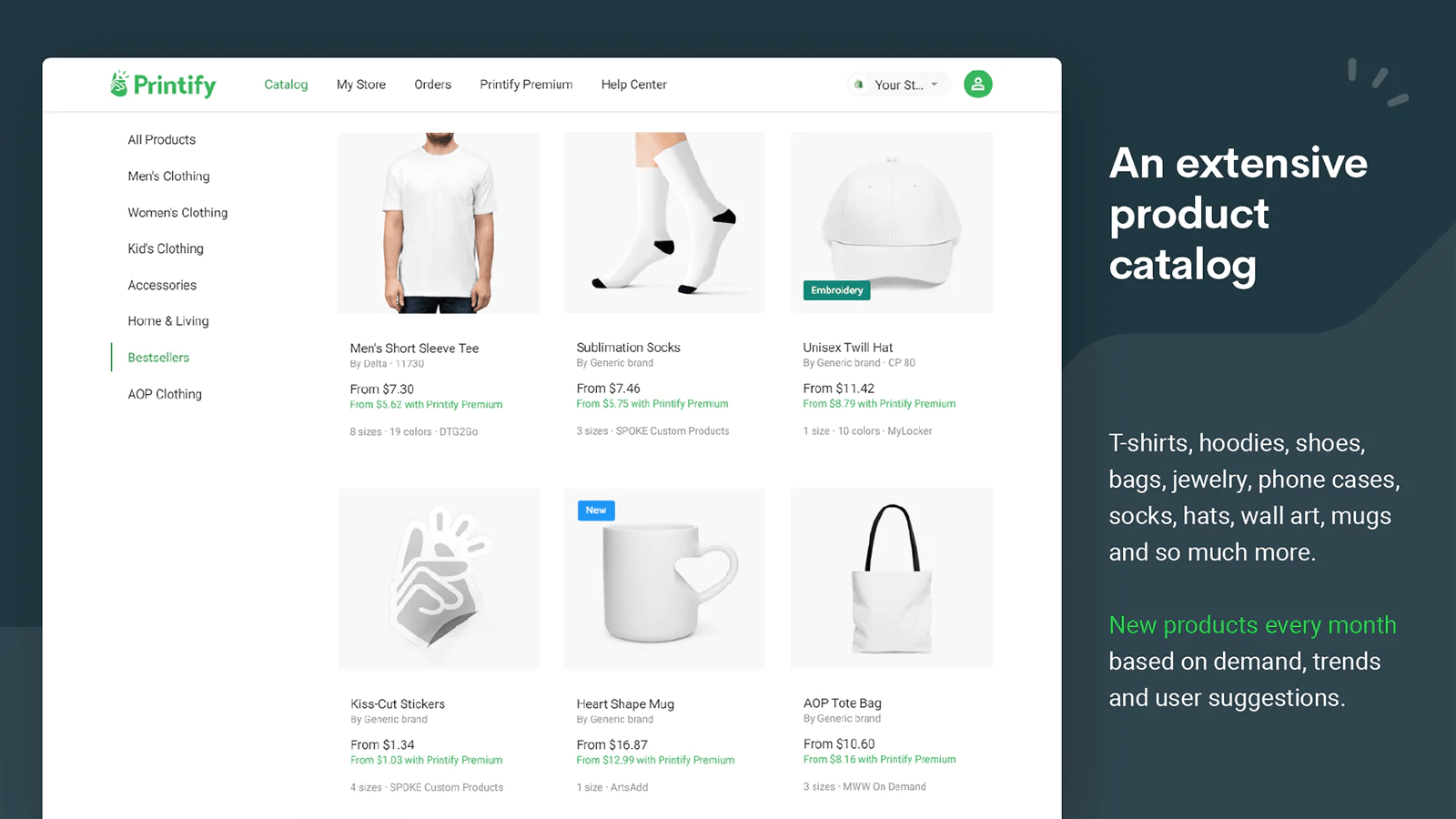
Começar um negócio de camisetas print-on-demand usando dropshipping e Shopify pode ser uma forma relativamente simples e de baixo custo para entrar no e-commerce. Veja os passos para começar:
- Pesquise e encontre um fornecedor de dropshipping confiável para camisetas. Esse fornecedor cuidará da impressão e do envio das camisetas para os clientes.
- Crie uma loja na Shopify. A Shopify é uma plataforma de e-commerce que permite criar e gerenciar uma loja online. Ela também se integra a muitos fornecedores de dropshipping e oferece diversos apps e plugins que ajudam a simplificar o processo.
- Escolha um nicho e crie os designs das suas camisetas. Identifique um nicho específico ou um mercado-alvo para suas camisetas e crie designs que atraiam esse público. Em 2025, ferramentas de design com IA podem ajudar você a gerar artes únicas rapidamente.
- Crie suas listagens de produtos na sua loja Shopify. Você pode importar os produtos do seu fornecedor e definir seus próprios preços.
- Divulgue sua loja. Use redes sociais e anúncios online para gerar tráfego e vendas. TikTok e Instagram são especialmente eficazes para alcançar públicos mais jovens.
- Faça a gestão dos pedidos e do atendimento ao cliente. Quando você receber um pedido, seu fornecedor imprimirá e enviará a camiseta diretamente para o seu cliente. Você será responsável por lidar com questões de atendimento ao cliente ou devoluções.
- Melhore continuamente sua loja e seus designs. Continue testando novos designs e otimize sua loja para conversões e experiência do cliente.
- Crie uma marca única e construa confiança com seus clientes.
15. Consultoria virtual de design de interiores
Outra ideia de pequeno negócio online é iniciar um negócio de consultoria virtual de design de interiores, que pode ser uma ótima forma de transformar sua paixão por design em um empreendimento lucrativo. O primeiro passo é desenvolver suas habilidades e conhecimentos. É importante ter um bom domínio de princípios de design, teoria das cores e das tendências mais recentes em design de interiores. Considere fazer cursos ou obter uma certificação profissional em design de interiores para garantir que você tenha o conhecimento necessário para oferecer serviços profissionais.
Depois de desenvolver suas habilidades e conhecimentos, você precisa montar um portfólio do seu trabalho. Isso será a primeira coisa que potenciais clientes verão, então garanta que seja profissional e destaque seus melhores projetos. Esse portfólio pode incluir imagens de trabalhos anteriores, depoimentos de clientes e qualquer outra informação relevante que ajude a demonstrar sua expertise e credibilidade.
Em seguida, você deve criar um site para o seu negócio. Garanta que seja visualmente agradável, fácil de navegar e inclua informações sobre seus serviços e portfólio. Essa será sua presença online e deve refletir sua marca e seu mercado-alvo.
Estabelecer sua marca também é importante. Isso inclui criar um logo, escolher cores e tipografia e desenvolver uma identidade visual consistente para todas as suas comunicações e materiais. Isso ajudará você a se destacar no mercado e criar uma identidade única para o seu negócio.
Para atrair clientes e gerar receita, você precisa definir seu mercado-alvo e criar um plano de marketing para alcançá-lo. Isso pode incluir redes sociais, anúncios, networking e marketing de conteúdo. O ponto-chave é identificar as necessidades e preferências específicas do seu público-alvo e adaptar seus esforços de marketing para alcançá-lo.
Você também precisa definir seus preços e estabelecer um sistema de cobrança. Pesquise os valores praticados para serviços de consultoria virtual de design de interiores na sua região e determine quanto você cobrará por diferentes tipos de projetos. Isso ajudará você a se manter competitivo e gerar lucro.
É importante estabelecer um processo claro de trabalho com clientes desenvolvendo um contrato. Isso ajuda a garantir que você e seus clientes estejam alinhados e que as expectativas sejam atendidas. Esse contrato deve detalhar o escopo do trabalho, prazos e condições de pagamento.
Investir em ferramentas de design virtual, como softwares de renderização 3D, ferramentas de visualização e plataformas de reuniões virtuais, permitirá que você apresente seus projetos aos clientes de forma profissional e eficaz. Em 2025, ferramentas de realidade aumentada (AR) estão se tornando cada vez mais populares para design de interiores virtual.
Para se manter competitivo no mercado, é importante melhorar continuamente suas habilidades e acompanhar as tendências do setor. Isso significa ficar por dentro de novas técnicas de design, materiais e tecnologias, além de seguir as tendências mais recentes.
Fazer networking e construir relacionamentos com outros profissionais do setor, como construtores, arquitetos ou outros designers, ajudará você a ampliar seu alcance e encontrar novos clientes.
Por fim, começar um negócio exige tempo e esforço; é importante ter paciência e persistência. Não desista diante de obstáculos e continue trabalhando em direção aos seus objetivos. Com trabalho duro, dedicação e um forte conhecimento do setor, você pode construir um pequeno negócio online de consultoria virtual de design de interiores de sucesso.
16. Educação em trading de ações e commodities
Para começar um pequeno negócio online de educação em trading de ações e commodities, você pode:
- Desenvolver seu conhecimento e suas habilidades em trading e adquirir um entendimento sólido de mercados, estratégias e gestão de risco.
- Construir um histórico de resultados, se possível, para estabelecer credibilidade como educador de trading.
- Criar um plano de negócios, incluindo mercado-alvo, preços, estratégias de marketing e receita projetada.
- Estabelecer uma estrutura legal, por exemplo, registrar-se como empresário individual, sociedade, LLC ou corporação.
- Criar um site com informações sobre serviços, preços, depoimentos e formas de contato.
- Desenvolver um currículo com componentes teóricos e práticos.
- Escolher um método de entrega do seu ensino, por exemplo, online, webinars ao vivo ou presencial.
- Estabelecer um plano de marketing para alcançar seu mercado-alvo.
- Definir preços e estabelecer um sistema de cobrança.
- Melhorar continuamente conhecimento e habilidades, mantendo-se atualizado com tendências de mercado e regulamentações.
- Fazer networking e construir relacionamentos com outros profissionais do setor.
- Ter paciência e persistência, pois construir um negócio de sucesso leva tempo.
- Cumprir exigências legais e regulatórias.
É importante observar que começar um pequeno negócio online de educação em trading de ações e commodities também exige conformidade com requisitos legais e regulatórios. É necessário conhecer bem essas exigências e cumpri-las para garantir uma operação legalmente adequada do negócio.
17. Treinamento pessoal virtual e coaching fitness
Outra ideia de pequeno negócio online é iniciar um negócio de treinamento pessoal virtual e coaching fitness, o que envolve algumas etapas essenciais para garantir o sucesso.
Primeiro, pesquise o mercado e a concorrência para identificar um nicho e desenvolver uma proposta única de valor (USP) para o seu negócio. Por exemplo, você pode se especializar em um tipo específico de treino ou em um público-alvo, ou oferecer serviços que normalmente não são fornecidos por outras empresas de treinamento pessoal e coaching fitness, como planos de treino virtuais, consultoria nutricional online ou programas de treino personalizados.
Em seguida, obtenha as qualificações e certificações necessárias para se tornar personal trainer e coach fitness. Isso pode incluir obter um diploma em uma área relacionada, como cinesiologia, e obter certificações como National Academy of Sports Medicine (NASM), American College of Sports Medicine (ACSM) ou International Sports Sciences Association (ISSA).
Depois disso, você precisa construir uma presença online para o seu negócio. Isso pode ser feito criando um site e contas em redes sociais para divulgar seus serviços e atrair potenciais clientes. Garanta que o site seja profissional, fácil de navegar e inclua todas as informações necessárias sobre seus serviços, preços e formas de contato.
Em seguida, adquira as habilidades e o conhecimento necessários para oferecer serviços de treinamento pessoal virtual e coaching fitness com eficiência. Isso pode incluir entendimento de ciência do exercício, nutrição e o uso de diversas tecnologias fitness, como apps de monitoramento ou plataformas de treino online.
Por fim, divulgue seus serviços por diversos canais, como redes sociais, Google Ads ou marketing de influenciadores. Faça networking com outros empresários e profissionais do seu setor para ampliar seu alcance e conseguir mais clientes. É importante ter uma estratégia de marketing e analisá-la e otimizá-la continuamente para garantir o crescimento do seu negócio.
Começar um negócio de treinamento pessoal virtual e coaching fitness pode ser uma ótima forma de transformar sua paixão por fitness em um negócio de sucesso. Com trabalho duro, persistência e as qualificações e habilidades certas, você pode iniciar seu pequeno negócio online de treinamento pessoal virtual e coaching fitness em pouco tempo.
18. Começar um negócio de acessórios para pets

Montar e começar um pequeno negócio online de acessórios para pets na Shopify envolve várias etapas, incluindo pesquisar o mercado, desenvolver uma proposta única de valor, construir uma presença online para o seu negócio e configurar sua loja na Shopify. O mercado de produtos para pets está em alta, com vendas acima de US$ 250 bilhões em 2025.
Primeiro, pesquise o mercado para entender a demanda por acessórios para pets, a concorrência existente e as diferentes plataformas mais usadas pelas empresas nesse mercado. Isso pode ajudar você a identificar um nicho no qual se especializar e desenvolver uma proposta única de valor (USP) para o seu negócio.
Em seguida, desenvolva uma USP que diferencie seu negócio dos demais no mercado. Por exemplo, você pode se especializar em um tipo específico de pet ou em um mercado-alvo, ou oferecer produtos que normalmente não são fornecidos por outras empresas de acessórios para pets, como produtos ecológicos ou artesanais.
Depois disso, você precisa construir uma presença online para o seu negócio. Isso pode ser feito criando um site e contas em redes sociais para divulgar seus serviços e atrair potenciais clientes. Garanta que o site seja profissional, fácil de navegar e inclua todas as informações necessárias sobre seus serviços, preços e formas de contato.
Em seguida, configure sua loja na Shopify. A Shopify é uma plataforma de e-commerce popular que permite criar facilmente uma loja online e vender seus produtos. A Shopify oferece uma variedade de ferramentas e recursos, como gestão de estoque, processamento de pagamentos e integrações de frete, para ajudar você a operar seu negócio com eficiência.
Quando sua loja Shopify estiver pronta, você pode começar a adicionar seus produtos e personalizar a loja para combinar com sua marca e estilo. É importante otimizar as páginas e imagens dos produtos para SEO e usabilidade. Você pode usar apps e complementos da Shopify app store para otimizar sua loja.
Por fim, divulgue seus serviços por diversos canais, como redes sociais, Google Ads ou marketing de influenciadores. Faça networking com outros empresários e profissionais do seu setor para ampliar seu alcance e conseguir mais clientes.
19. Loja de beleza e-commerce
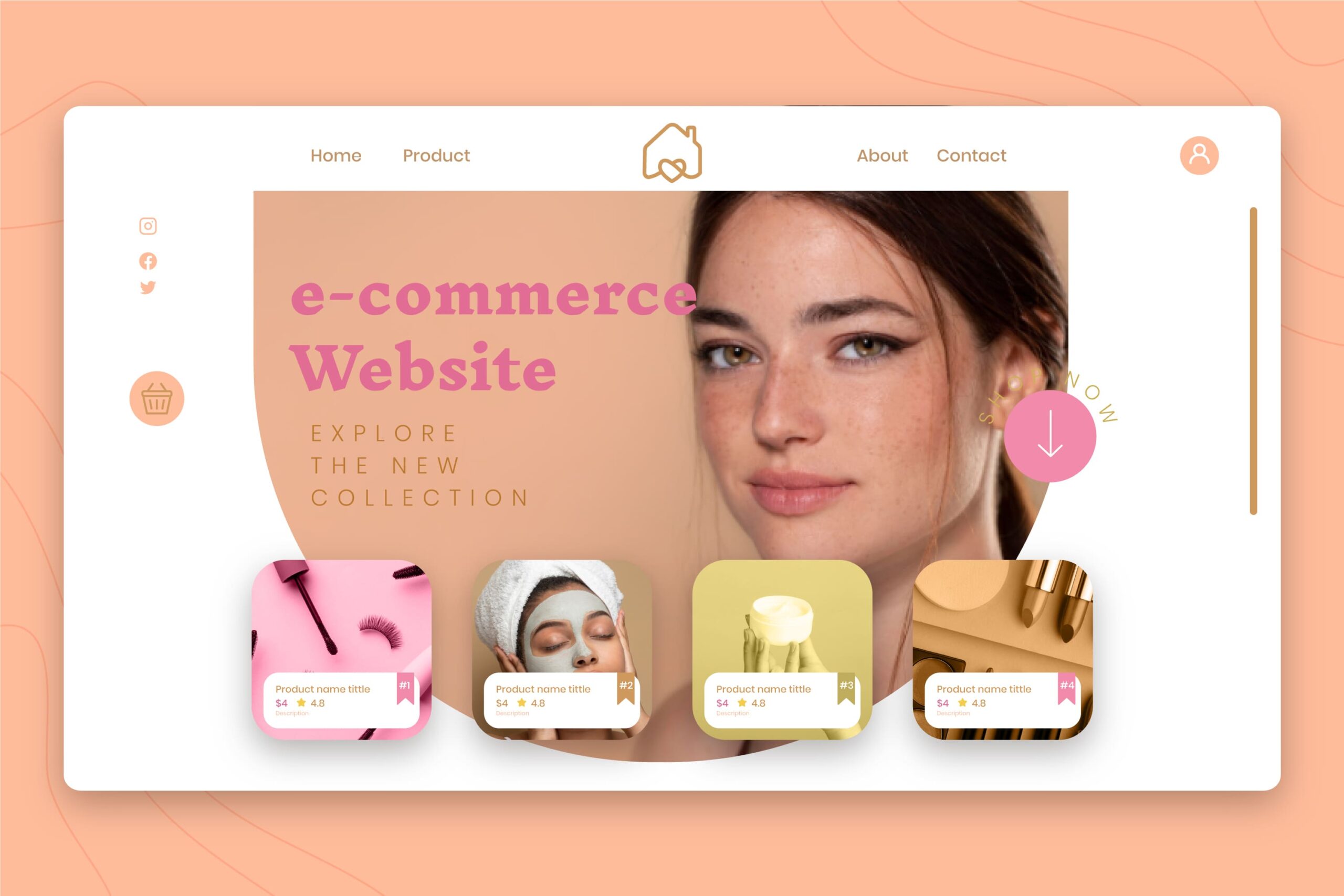
Para começar uma loja de beleza e-commerce, comece pesquisando o mercado para identificar um nicho e desenvolver uma proposta única de valor (USP). A indústria da beleza deve valer mais de US$ 758 bilhões até 2025, com produtos naturais e ecológicos em demanda especialmente alta.
Construa uma presença online criando um site profissional e contas em redes sociais. Configure sua plataforma de e-commerce, como a Shopify, para criar e gerenciar sua loja online com facilidade. Você pode adicionar apps da Shopify para elevar sua loja. O SellUp é um ótimo app que permite criar upsells e cross-sells para aumentar seu ticket médio. Isso significa que você vai gerar mais receita.
Adicione e otimize seus produtos, personalizando sua loja para combinar com sua marca e estilo. Divulgue seus serviços por diversos canais, como redes sociais, Google Ads ou marketing de influenciadores.
Faça networking com outros empresários e profissionais do seu setor para ampliar seu alcance e conseguir mais clientes. Analise e otimize continuamente sua estratégia de marketing para garantir o crescimento do seu negócio.
20. Serviços de redação e edição
Para começar um pequeno negócio online de serviços de redação e edição, primeiro você precisa fazer pesquisa de mercado para entender a demanda por esses serviços, a concorrência existente e as diferentes plataformas mais usadas pelas empresas nesse mercado. Isso ajudará você a identificar um nicho no qual se especializar e desenvolver uma proposta única de valor (USP) para o seu negócio.
Quando você tiver clareza sobre o mercado e sua USP, você precisa construir uma presença online para o seu negócio. Isso inclui criar um site profissional e contas em redes sociais que divulguem seus serviços e atraiam potenciais clientes. Seu site deve ser fácil de navegar e incluir todas as informações necessárias sobre seus serviços, preços e formas de contato.
Para oferecer serviços de redação e edição de alta qualidade, é importante adquirir as habilidades e o conhecimento necessários. Isso inclui entender gramática, pontuação, estilo e conhecer diferentes softwares de escrita e edição. Você pode considerar obter treinamentos e certificações que ajudem a desenvolver as habilidades e o conhecimento de que precisa. Em 2025, assistentes de escrita com IA como Grammarly e Jasper estão se tornando ferramentas essenciais para escritores.
Para atrair clientes, divulgue seus serviços por diversos canais, como redes sociais, Google Ads ou marketing de influenciadores. Faça networking com outros empresários e profissionais do seu setor para ampliar seu alcance e conseguir mais clientes. É importante ter uma estratégia de marketing e analisá-la e otimizá-la continuamente para garantir o crescimento do seu negócio. À medida que seu negócio crescer, você pode considerar contratar mais redatores e editores para escalar seus serviços.
Vamos concluir as 20 melhores ideias de pequenos negócios online
Em conclusão, começar um pequeno negócio online em 2025 apresenta uma ampla variedade de oportunidades para empreendedores com diferentes interesses e habilidades. De e-commerce e desenvolvimento de apps a gestão de redes sociais e planejamento de eventos virtuais, as possibilidades são infinitas.
Seja para transformar sua paixão em um negócio de sucesso ou simplesmente buscar uma nova oportunidade de carreira, essas 20 ideias de pequenos negócios online oferecem um excelente ponto de partida. O setor de e-commerce continua crescendo de forma exponencial, com as vendas online globais projetadas para alcançar US$ 6,42 trilhões em 2025. Ferramentas de IA estão revolucionando a forma como pequenos negócios operam, tornando mais fácil do que nunca automatizar tarefas, personalizar experiências do cliente e competir com empresas maiores.
Com a combinação certa de pesquisa, trabalho duro e persistência, você pode transformar seu pequeno negócio online em um empreendimento próspero em pouco tempo. Lembre-se: é essencial fazer pesquisa de mercado, desenvolver uma proposta única de valor, construir uma presença online, adquirir habilidades e conhecimentos necessários e otimizar continuamente sua estratégia de marketing para garantir o crescimento do seu negócio.
Em 2025, negócios online bem-sucedidos estão aproveitando IA para personalização, focando em otimização para mobile e abraçando o social commerce. Quase 30% de todos os negócios agora são realizados online, e essa tendência não mostra sinais de desaceleração. Com ferramentas de IA acessíveis, mercados globais em expansão e novas plataformas como TikTok Shop, nunca houve um momento melhor para começar seu negócio online.
Com a abordagem certa, você pode alcançar seus objetivos e ser seu próprio chefe no mundo digital.