
Shopify contact form spam is usually preventable with a layered setup. In most stores, the best approach is to keep Shopify's built-in hCaptcha enabled, add a honeypot field, use time-based submission checks, and only install a dedicated anti-spam app if spam is still getting through.
I have worked on Shopify stores and built apps in this ecosystem for years, and contact form spam is one of those annoying problems that looks small until it starts wasting real time every day. The usual pattern is familiar: fake SEO pitches, "Shopify expert" outreach, crypto nonsense, empty submissions, and phishing attempts sent through the default contact form.
This guide explains how to prevent spam on your Shopify contact form using Shopify's current protections, code-based fixes, and app-based options. I will also cover what actually works in 2026, what tends to hurt conversion, and how I would set this up on a live store today.
Why am I getting spam through my Shopify contact form?
Most Shopify contact form spam comes from bots or low-quality manual outreach. Bots target predictable form structures, while human spammers often use the contact page because it is public, easy to find, and usually connected to a monitored inbox.
The default Shopify contact form is accessible on many themes with little customisation. That makes it convenient for customers, but also easy for spambots to test. In my experience, stores often see spikes in spam after ranking for a few keywords, running ads, or exposing the contact page in the main navigation and footer.
Not all spam is automated. A lot of merchants are actually dealing with repetitive manual messages from agencies, link builders, fake suppliers, and phishing senders pretending to offer services. CAPTCHA helps with bots, but it will not stop every human spammer.
Does Shopify already block contact form spam?
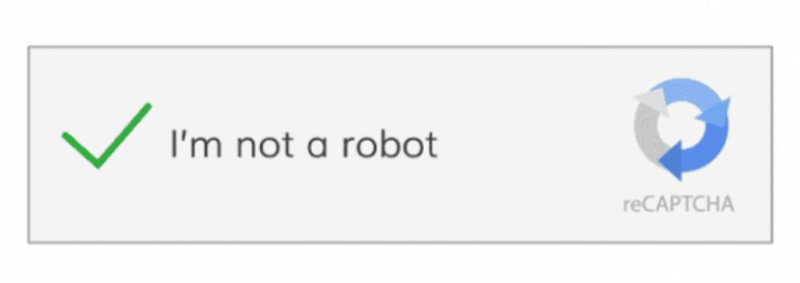
Yes, Shopify includes hCaptcha protection by default on contact forms and other customer-facing forms. It helps reduce bot submissions, but it is not fool-proof, especially against better bots or manual spam.
According to Shopify's help documentation, hCaptcha is activated by default on Shopify stores for contact forms, blog comments, customer login, account creation, and password recovery. In practice, this means many spam attempts are filtered before you ever see them.
However, if you are still receiving junk messages, that does not mean Shopify's protection is broken. It usually means one of three things: the spammer is human, the bot is sophisticated enough to bypass basic checks, or your theme and form setup are making the page an easy target.
If you want to review Shopify's current settings, check Shopify's online store preferences documentation. If you specifically want Google's version rather than hCaptcha, I also covered that in my guide on how to add Google Recaptcha in Shopify.
What is the best way to prevent spam on your Shopify contact form?
The best way is to use multiple layers, not rely on a single tool. For most stores, the winning combination is built-in CAPTCHA + honeypot + timing checks + sensible filtering.
If I were setting this up on a client store or one of my own test stores, I would not jump straight to installing three apps. I would start with the built-in protection, then harden the form itself. That usually gets the best balance between spam reduction and customer experience.
Here is the order I recommend.
- Confirm Shopify's anti-spam protection is active.
- Add a honeypot field to catch simple bots.
- Add a minimum time-to-submit rule to block instant form submissions.
- Filter obvious spam phrases and repeated patterns.
- Use an app if spam continues or you want a no-code setup.
- Consider replacing the default form with a more controlled form builder if needed.
How do I enable CAPTCHA or spam protection in Shopify?
Shopify usually has hCaptcha enabled by default, but you should still verify your settings. It is worth checking both your online store preferences and any customer account related settings if you use customised forms.
On most stores, you can review spam-related protections from the admin and confirm whether your theme or apps are interfering with the default form behaviour. If you are using a heavily customised contact template, the built-in protection may not be the only layer you need.
How to check Shopify's built-in protection
Go to your Shopify admin and review your store preferences. The exact layout can change slightly over time, but Shopify documents the relevant settings here: Online Store Preferences.
- Open Shopify Admin
- Go to Online Store then Preferences
- Review the section related to spam protection and CAPTCHA behaviour
- Save any changes if prompted
If you want to use Google's version instead of relying on Shopify's default setup, follow a proper implementation guide. My walkthrough on adding Google Recaptcha in Shopify is a good starting point.
How effective is a honeypot field on a Shopify contact form?
A honeypot field is one of the most effective low-friction anti-spam techniques. It can block a large share of automated form spam without adding any visible challenge for real customers.
The idea is simple. You add a field that humans cannot see, usually hidden with CSS, but bots can still detect and fill. If that hidden field contains any value on submission, you flag or reject the message.
In practice, this works well because many spambots still try to complete every field they find. The research behind this article suggests that a single honeypot field can eliminate over 95% of contact form spam in some setups. That lines up with what I have seen on simpler forms across ecommerce sites.
How does a honeypot work?
A honeypot is a decoy field that should remain empty. Genuine users never see it, so only bots tend to complete it.
Good honeypot labels are boring and believable, such as "Fax", "Company extension", or "Last name". Avoid naming the field something obvious like "do not fill" because that makes it easier for bots to detect.
You can implement this in theme code if you are comfortable editing Liquid. If you are not, ask your developer or use a form app that supports hidden fields and conditional validation.
What should I watch out for with honeypots?
Do not rely on a honeypot alone. Smarter bots can ignore hidden fields, and some accessibility tools can behave unpredictably if the field is implemented badly.
Make sure the hidden field is properly excluded from the visual form flow and labelled carefully. If accessibility matters on your store, test the form with keyboard navigation and screen readers before publishing changes.
Can I stop bots by blocking instant submissions?
Yes, time-based restrictions are highly effective against simple automated spam. Humans do not usually open a contact page and submit a full message in under one second, but bots often do.
This is one of my favourite techniques because it is invisible to real users. You store the page load timestamp, then reject submissions that happen too quickly, such as within 2 to 5 seconds depending on your form length.
The research for this article mentions rejecting submissions made 0.4 seconds after page load, which can catch aggressive bots. In reality, I prefer a slightly more forgiving threshold so you do not accidentally block edge cases, browser restores, or autofill-heavy users.
What is a sensible minimum submission time?
A minimum of 3 seconds is a practical starting point for most Shopify contact forms. If your form is longer or includes dropdowns and file uploads, increase it.
This works especially well when combined with a honeypot. The two techniques catch different types of bot behaviour, which is exactly what you want from a layered anti-spam setup.
Should I use an app to stop Shopify contact form spam?
Use an app if Shopify's default protection is not enough or you want a no-code fix. Apps are especially useful if you want Google reCAPTCHA, form customisation, or broader protection across login, registration, and newsletter forms.
I generally recommend testing your built-in options first. But if spam is persistent, an app can save time and give you better control without touching theme code.
Below are the two app options from the original article, both with verified Shopify App Store links.
What is the best app for basic contact form spam protection?
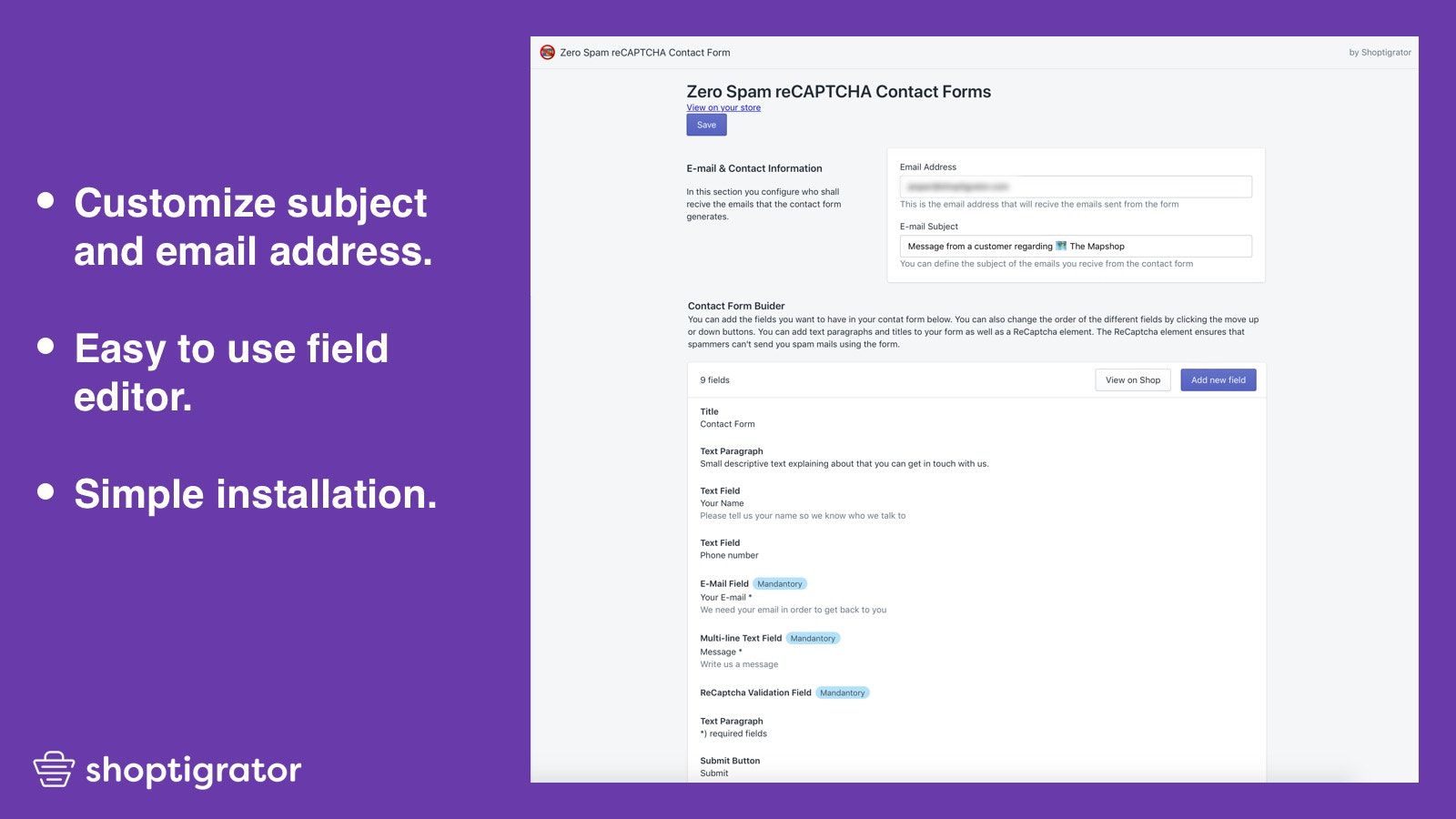
Zero Spam Contact Form is a solid option if you want a more controlled contact form setup with spam protection built in. It is best for merchants who want a form-builder approach rather than patching the default form.

From what I have seen, this type of app is useful when your store needs more than just anti-spam. If you want extra fields, conditional logic, or a cleaner design than your theme's stock contact template, it can be a better long-term solution.
It also uses Google's reCAPTCHA approach, which some merchants prefer. That matters if you have had poor results with default protections or want a familiar anti-bot system customers recognise.
What is the best app for invisible spam protection?
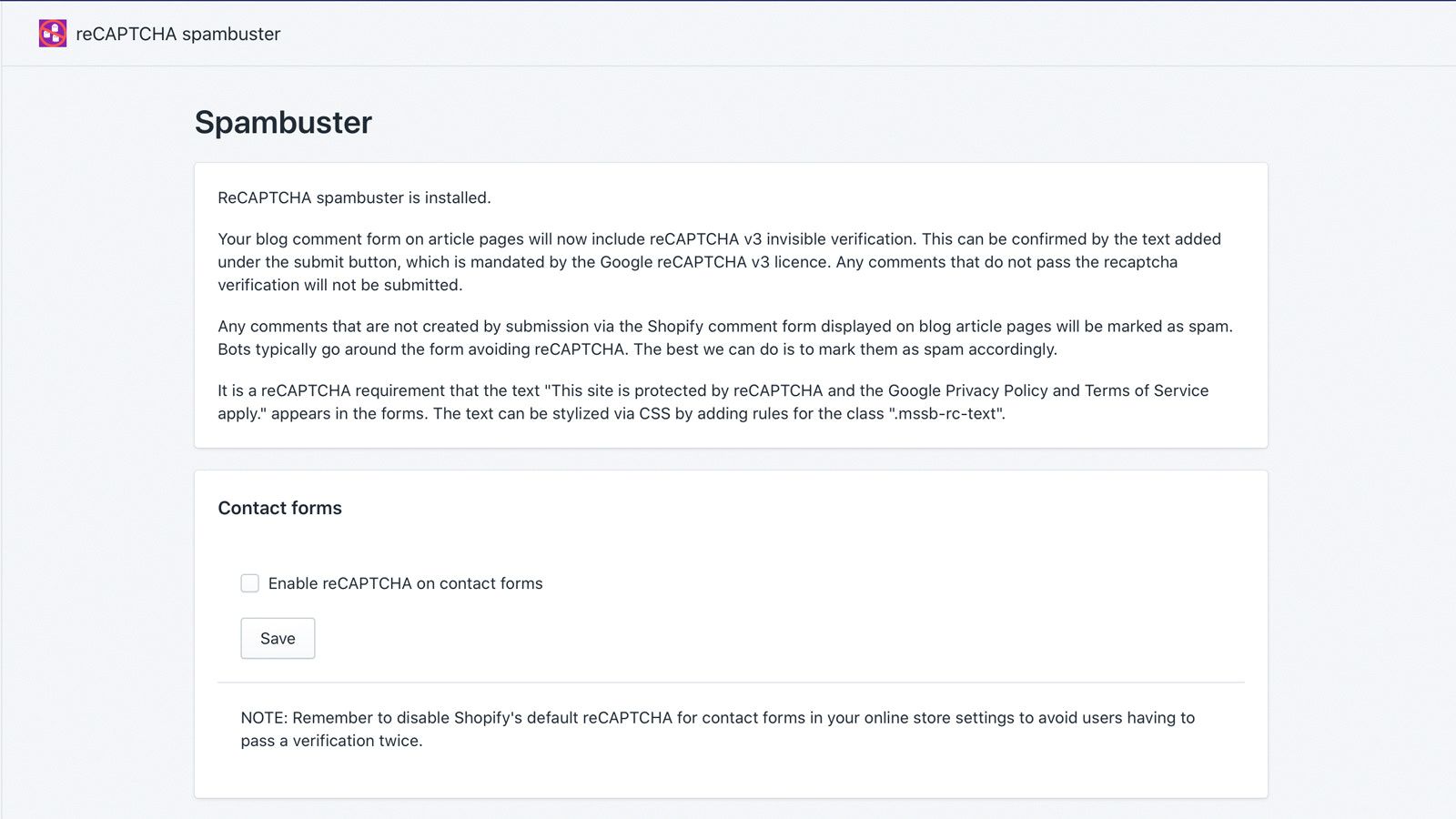
reCAPTCHA Spambuster is a good fit if you want Google reCAPTCHA v3 style protection with minimal impact on the customer experience. It is best for stores that want invisible protection across multiple forms.

This kind of setup is attractive because it does not usually interrupt real users with image puzzles or checkboxes. In my experience, that matters on mobile, where intrusive CAPTCHA challenges can hurt conversion or frustrate genuine customers trying to get help.
It also covers more than the contact form in many cases, including login, comments, newsletter, and registration flows. If spam is affecting multiple entry points on your store, that wider coverage can justify the app.
Which anti-spam option is best for my Shopify store?
The best option depends on how much spam you get and how comfortable you are with code. Most stores do not need an expensive or complicated setup.
| Option | Best for | Pros | Cons |
|---|---|---|---|
| Shopify built-in hCaptcha | Most stores | Free, already enabled on many stores, no app required | May not stop human spam or more advanced bots |
| Honeypot field | Stores comfortable editing theme code | Invisible to users, very effective against simple bots | Needs careful implementation |
| Time-based restrictions | Stores wanting low-friction protection | No visible challenge, catches instant bot submissions | Requires custom logic or developer help |
| Zero Spam Contact Form | Merchants wanting a custom form builder | Flexible, can improve form design and control | Another app to manage |
| reCAPTCHA Spambuster | Merchants wanting invisible Google-based protection | Fast setup, broad form coverage | May be unnecessary if built-in protection is enough |
Can I reduce spam without adding CAPTCHA friction for customers?
Yes, and in many cases you should. The best anti-spam setup is the one customers barely notice.
Visible CAPTCHA challenges can reduce spam, but they also create friction. On mobile devices, they can be especially annoying. That is why I usually prefer invisible layers first: honeypots, timing checks, keyword filtering, and background scoring.
If your contact form is part of a high-intent support flow, protecting the inbox matters, but so does making it easy for real customers to ask for help. This is the same balancing act I think about when building support-focused Shopify apps like NoteDesk.
What other ways can I stop spam on Shopify?
There are several extra tactics that help once the basics are in place. These are especially useful if your spam is repetitive, location-based, or clearly tied to outreach scripts.
Should I simplify my contact form?
Yes, simpler forms are often less attractive to bots and easier for customers. Only ask for the fields you genuinely need.
If your contact form currently asks for order number, phone, website, company, address, and several dropdowns, you are giving bots more targets. A leaner form with name, email, subject, and message is often enough.
Can I filter spam keywords?
Yes, keyword filtering is useful for repetitive junk messages. Phrases like "work from home", "crypto", "SEO services", and "domain renewal" are common spam patterns.
This is not perfect because spammers change wording, but it is still a helpful extra layer. If you use a form app or middleware that supports filtering rules, this can save a lot of inbox triage time.
Should I block IP addresses?
Block IPs only when you see clear repeat abuse. It can help, but it is rarely the main solution because many spammers rotate IPs.
If you are getting repeated abuse from the same source, blocking can be worthwhile. For broader fraud prevention, you might also want to read my guide to blocking or blacklisting customers on your Shopify store.
Should I require customer login before contact form access?
Only for specific use cases. Restricting contact forms to logged-in customers can reduce spam sharply, but it also creates friction for pre-sales questions.
I would only do this for wholesale portals, account-only support forms, or post-purchase help centres. For a general storefront, it is usually too restrictive.
Can I hide my email address to reduce spam?
Yes, never expose your support email as plain text if you can avoid it. Public email addresses get scraped and can increase spam volume beyond the form itself.
Use a contact form instead of displaying your email in multiple places, and make sure your sender domain is configured properly. If email security is part of the issue, my article on DMARC email setup for Shopify merchants is worth reading.
Are third-party forms like Jotform or Wufoo worth using on Shopify?
They can be, but only if you need advanced form logic or external workflows. For basic spam prevention alone, they are often more than you need.
Tools like Jotform and Wufoo offer mature form builders, integrations, and anti-spam controls. They can be useful if your contact process includes file uploads, routing, conditional fields, or CRM integrations.
The downside is added complexity, external dependencies, and sometimes a less native storefront experience. For most Shopify stores, I would try to solve spam within Shopify first before moving to a third-party form stack.
What setup do I recommend for most Shopify stores in 2026?
For most stores, I recommend a four-step setup: keep Shopify protection enabled, add a honeypot, add a minimum submission time, and install an app only if spam persists.
This is the setup I would personally start with because it is effective, low-friction, and relatively future-proof. It also avoids overcomplicating the contact page for genuine customers.
- Verify Shopify's hCaptcha is active via your store settings.
- Add a hidden honeypot field to the contact form template.
- Reject instant submissions that happen unrealistically fast.
- Filter obvious spam phrases and monitor repeat patterns.
- If needed, install reCAPTCHA Spambuster or Zero Spam Contact Form.
If your store also struggles with junk signups, fake orders, or suspicious checkout behaviour, spam prevention should be part of a broader risk setup. My posts on chargebacks in Shopify and reducing abandoned carts cover adjacent issues where trust and friction need to be balanced carefully.
How do I know if my anti-spam changes are working?
Track spam volume before and after each change. You do not need a fancy dashboard to do this, but you do need a baseline.
I usually recommend logging the number of spam submissions per week, the type of spam, and whether it is empty, keyword-heavy, or clearly manual. Then make one change at a time where possible. That lets you see what is actually reducing spam instead of guessing.
If a visible CAPTCHA reduces spam but also causes fewer genuine enquiries, that is not always a win. The goal is fewer junk submissions without hurting real customer contact rates.
What should I avoid when trying to stop Shopify contact form spam?
Avoid heavy-handed fixes that frustrate real customers. The worst anti-spam setup is the one that blocks sales or support messages from genuine people.
- Do not add multiple visible CAPTCHA challenges unless absolutely necessary.
- Do not require account login for general pre-sales contact unless your business model justifies it.
- Do not overbuild the form with unnecessary fields.
- Do not assume one app will permanently solve every spam issue.
- Do not publish your support email everywhere in plain text.
In my experience building Shopify apps, simple layers beat dramatic fixes. A contact form should feel easy for a customer and annoying for a bot. That is the sweet spot.
Final thoughts on how to prevent spam on your Shopify contact form
The most effective solution is a layered one. Shopify's built-in protection is a good start, but combining it with honeypots, timing rules, and selective app support is what usually gets results.
If you are only getting occasional manual outreach, you may not need much beyond Shopify's defaults. But if your inbox is filling with repetitive junk every day, it is worth hardening the form properly. The fixes are usually straightforward, and once they are in place, the time saved is immediate.
If you want the simplest starting point, check Shopify's settings first, then add a honeypot. That combination alone solves a surprising amount of contact form spam.