
No mundo do e-commerce, a Shopify se consolidou como uma plataforma poderosa para empresas criarem e gerenciarem suas lojas online. Mas você sabia que a Shopify também pode ser uma ótima plataforma para blogueiros?
Seja você um blogueiro experiente querendo monetizar seu conteúdo ou um empreendedor que deseja incorporar um blog à sua loja virtual, a Shopify oferece uma variedade de apps para ajudar a melhorar e otimizar sua experiência de blog.
Neste artigo, vamos explorar os 5 melhores apps da Shopify para blogs que podem levar seu conteúdo a outro nível.
1. Plug In SEO
No ritmo acelerado do conteúdo online, criar um blog é apenas o primeiro passo. Para realmente crescer e ganhar tração, seu blog precisa ser encontrado pelo público certo — e é aí que a otimização para mecanismos de busca (SEO) entra em cena. Embora a Shopify seja conhecida por seus recursos nativos de SEO, o app Plug in SEO leva esse aspecto essencial ainda mais longe, oferecendo um kit completo para turbinar a visibilidade do seu blog nos buscadores.
Desvendando o poder do Plug in SEO
O sucesso da Shopify como plataforma de e-commerce se deve, em parte, às suas capacidades de SEO integradas, que ajudam empresas a otimizar suas lojas online. Mas blogueiros também podem aproveitar esse potencial para expandir seus blogs e atrair mais leitores. O Plug in SEO surge como uma ferramenta indispensável, ajudando blogueiros — iniciantes ou veteranos — a navegar com facilidade pelo cenário complexo do SEO.
Análise completa de SEO e insights acionáveis
O Plug in SEO é mais do que um app; é um consultor virtual de SEO para o seu blog. Ele faz uma varredura detalhada do conteúdo e da estrutura do seu blog, identificando possíveis armadilhas de SEO que podem estar impedindo você de alcançar todo o seu potencial. De title tags e meta descriptions a header tags e estruturas de URL, cada elemento crítico do SEO do seu blog é analisado.
Mas aqui está a verdadeira mágica: o Plug in SEO não apenas aponta os problemas — ele traz recomendações práticas. Cada questão detectada vem com uma explicação clara e um passo a passo de como corrigir. Seja para otimizar imagens, refinar palavras-chave ou melhorar sua estratégia de links internos, você terá em mãos as ferramentas necessárias para fazer seu blog brilhar aos olhos dos mecanismos de busca.
Criando elementos meta otimizados para SEO
Meta titles e descriptions são a vitrine digital do seu blog. São as primeiras coisas que potenciais leitores veem quando seu blog aparece nos resultados de busca. O Plug in SEO ajuda você a criar esses elementos essenciais de um jeito que seja atraente para as pessoas e, ao mesmo tempo, alinhado aos algoritmos. Ao usar os limites de caracteres recomendados, incluir palavras-chave e escrever descrições convincentes, sua presença nos resultados se torna mais chamativa e clicável.
Impulsionando o crescimento orgânico com mais visibilidade
O principal objetivo do SEO é aumentar o tráfego orgânico — e é exatamente aí que o Plug in SEO gera o maior impacto. Ao resolver problemas de SEO, otimizar elementos meta e aplicar as recomendações do app, seu blog fica mais amigável para os buscadores. Isso se traduz em melhores posições nas páginas de resultados (SERPs), expondo seu conteúdo a um público maior que está ativamente buscando os insights, informações ou produtos que você oferece. Com mais de 2.500 lojas Shopify usando este app em 2025, ele continua sendo uma das soluções de SEO mais confiáveis para blogueiros e lojistas.
2. Modalyst: Dropshipping & POD
No cenário em constante evolução do conteúdo online, blogueiros buscam continuamente formas inovadoras de cativar e engajar seu público. À medida que as fronteiras entre o blog tradicional e o e-commerce ficam mais tênues, um app como o Modalyst se torna um divisor de águas. Se o seu blog gira em torno de recomendações de produtos ou traz insights sobre o universo do e-commerce, o Modalyst é uma ferramenta valiosa que pode revolucionar sua abordagem e elevar sua estratégia de monetização.
Conectando você a um vasto ecossistema de fornecedores
O Modalyst não é apenas um app; é uma porta de entrada para um mundo de possibilidades no e-commerce. Para blogueiros que querem incorporar recomendações de produtos ao conteúdo de forma fluida, o Modalyst abre acesso a uma ampla rede de fornecedores com uma variedade de produtos únicos e em alta. Essa conexão dá uma nova dimensão ao seu blog, permitindo que você una seus insights a produtos reais que seu público pode conhecer e adotar.
Integração perfeita com sua loja Shopify
Um dos recursos mais impressionantes do Modalyst é sua integração perfeita com a Shopify. Isso garante que os produtos encontrados no app possam entrar na sua loja online sem esforço, criando uma experiência de compra harmoniosa para seus leitores. Seja seu blog sobre tendências de moda, itens essenciais de lifestyle ou gadgets inovadores, você pode organizar esses produtos em coleções selecionadas que refletem os temas do seu blog e despertam o interesse do público.
Despertando curiosidade com coleções de produtos
Imagine que seu post não apenas ofereça conteúdo relevante, mas também dê aos leitores a oportunidade de comprar os produtos que você menciona. Com o Modalyst, isso vira realidade. Pense em um post sobre as tendências de moda do verão acompanhado de uma coleção selecionada de roupas e acessórios que os leitores podem explorar e comprar facilmente. Essa integração aumenta o engajamento, oferecendo uma experiência dinâmica em que a inspiração se transforma em ação de forma natural.
Monetizando seu blog com links de afiliados
O mundo dos blogs vive de monetização — e o Modalyst tem um papel central nessa jornada. Ao criar posts envolventes e inserir recomendações de produtos, você pode integrar links de afiliados de forma simples com o Modalyst. Assim, quando os leitores clicam nos produtos destacados e fazem compras, você ganha uma comissão. Essa relação simbiótica entre conteúdo e monetização via e-commerce cria um cenário ganha-ganha, em que você e seus leitores saem beneficiados.
Elevando a experiência de compra dos seus leitores
Ao usar o Modalyst, você não está apenas oferecendo produtos — você está melhorando a jornada de compra do seu público. A diversidade de itens disponíveis no app garante que seus leitores encontrem opções alinhadas às preferências e necessidades deles. Em 2025, o Modalyst continua atendendo criadores e marcas que querem monetizar suas audiências com dropshipping e print-on-demand, tornando-se uma ferramenta indispensável para o comércio orientado por conteúdo.
3. Mailchimp: Email Marketing
No universo dos blogs, a conexão que você constrói com seus leitores é fundamental. Mas como manter esse relacionamento vivo e engajado, indo além das páginas do seu blog? É aí que entra o Mailchimp para Shopify, um app que traz o poder do email marketing para o seu kit de ferramentas. Se você quer fortalecer vínculos, levar tráfego para sua loja Shopify e cultivar a fidelidade do público, o Mailchimp é seu grande aliado.
A importância de construir uma lista de emails
Um blog de sucesso não é apenas sobre criar conteúdo envolvente; é sobre construir uma comunidade em torno desse conteúdo. Uma lista de emails é sua arma secreta nessa missão. Ao coletar os endereços de email dos seus leitores, você ganha um canal direto de comunicação — que não depende de algoritmos nem de redes sociais. Esse canal personalizado permite manter seu público atualizado sobre seus posts mais recentes, seus produtos e promoções especiais.
Integração simples do email marketing
O Mailchimp para Shopify transforma o mundo complexo do email marketing em um processo descomplicado. Integrado à Shopify, o app permite conectar seus esforços de blog e e-commerce em uma plataforma unificada. Ao vincular suas campanhas de email à sua loja Shopify, você cria um ecossistema coeso em que seus leitores transitam facilmente do conteúdo do blog para seus produtos e serviços. O app oficial do Mailchimp voltou à Shopify App Store após disputas anteriores de políticas, tornando mais fácil do que nunca conectar as duas plataformas diretamente.
Criando oportunidades de opt-in irresistíveis
Capturar emails dos leitores exige estratégia e bom senso. Com o Mailchimp, você pode criar pop-ups e landing pages atrativos que oferecem valor ao público enquanto incentivam a inscrição. Seja um e-book exclusivo, um guia prático ou acesso antecipado ao seu conteúdo mais recente, esses incentivos funcionam como ímãs, trazendo leitores para sua comunidade de emails.
Usando campanhas de email para promover seu blog
Depois que você constrói sua lista, a verdadeira mágica começa. O Mailchimp permite criar campanhas envolventes que conversam com seus leitores. De newsletters com seus posts recentes a seleções curadas com insights e recomendações, cada campanha reforça a voz da sua marca e entrega valor aos assinantes.
Gerando tráfego e cultivando lealdade
O impacto do Mailchimp vai além da comunicação imediata. Ao enviar emails que destacam seu conteúdo e seus produtos, você direciona tráfego para sua loja Shopify. Isso significa mais visibilidade, engajamento e, potencialmente, vendas. Além disso, a comunicação consistente por email fortalece relacionamentos ao longo do tempo, transformando leitores casuais em seguidores fiéis e clientes leais. Com o Intuit Assist for Mailchimp, um assistente de marketing com IA disponível em 2025, você consegue criar campanhas ainda mais personalizadas com menos esforço.
4. Social Photos ‑ Instagram UGC
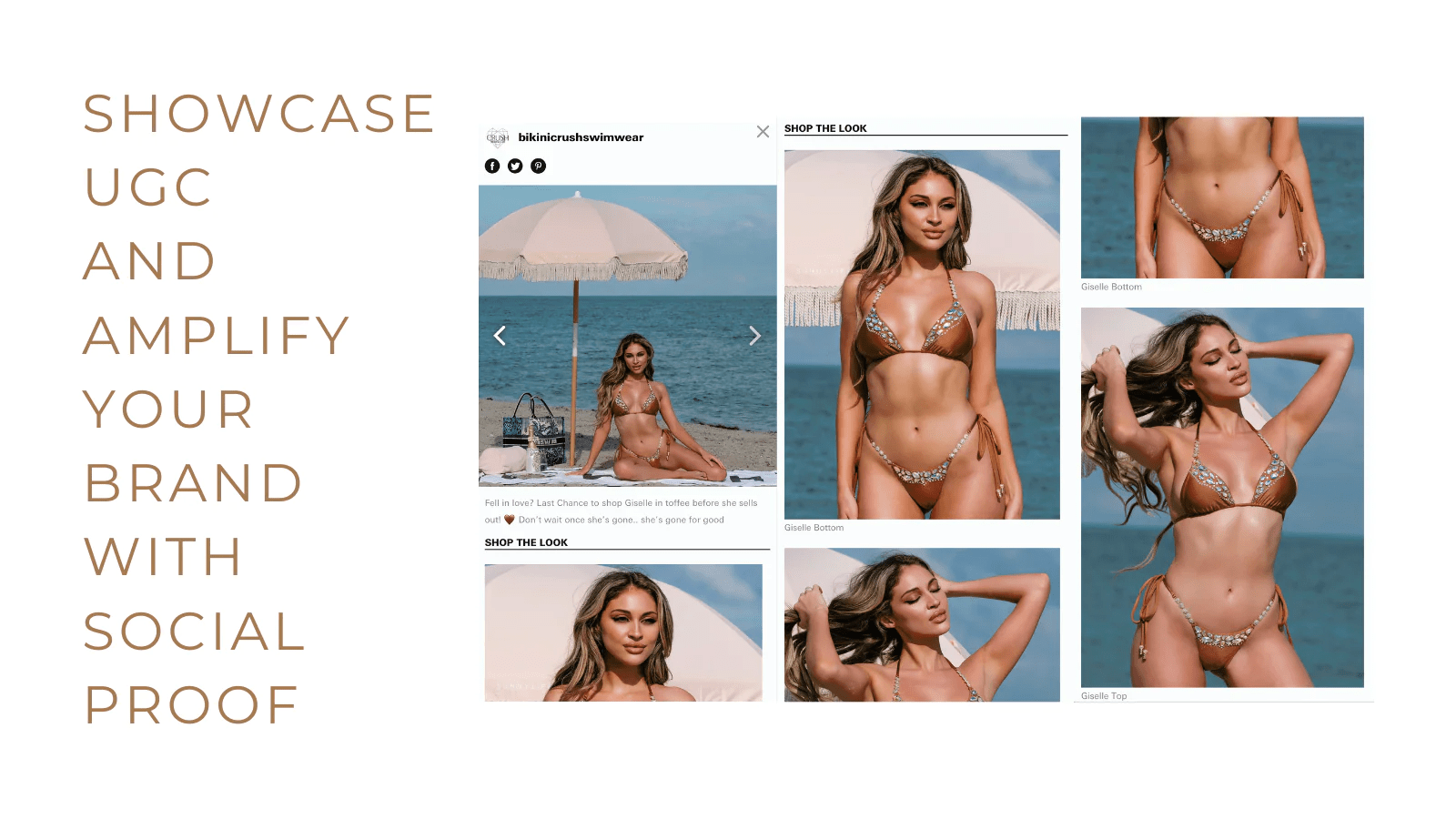
Em um cenário digital transbordando conteúdo, a autenticidade se destaca como um farol de diferenciação. Como blogueiro, criar conexões genuínas com seu público é a base do sucesso. E, nessa busca, o Social Photos surge como uma ferramenta poderosa, permitindo que você integre conteúdo gerado por usuários (UGC) ao seu blog de forma natural. Se o seu blog gira em torno de lifestyle, moda ou viagens, o Social Photos é seu parceiro para criar um espaço movido pela comunidade e que realmente ressoa com seus leitores.
O poder do conteúdo gerado por usuários
O conteúdo gerado por usuários é a prova do vínculo que você construiu com sua audiência. É a representação visual das experiências, preferências e conexões dos seus leitores com o tema do seu blog. Incorporar UGC vai além da criação tradicional de conteúdo, pois se trata de um esforço colaborativo em que seus leitores viram coautores, compartilhando histórias e pontos de vista.
Curando uma sinfonia visual
O Social Photos permite que você crie uma verdadeira sinfonia de imagens alinhadas à essência do seu blog. Sejam fotos dos seus produtos em situações reais ou imagens que combinem com o tema central do seu conteúdo, o app ajuda a montar um mosaico inspirador que conversa com o público de forma pessoal. Para um blog de moda, pode ser um painel de leitores usando looks recomendados; para um blog de viagens, pode ser uma vitrine de paisagens incríveis ao redor do mundo.
Criando conexões mais profundas
O conteúdo gerado por usuários fortalece um senso profundo de conexão. Ao destacar experiências reais e perspectivas do seu público, você os convida a participar ativamente da jornada do seu blog. Essa ponte entre criador e audiência constrói confiança, lealdade e pertencimento. Seu blog deixa de ser uma conversa unilateral e se torna uma troca dinâmica, em que as vozes dos leitores são celebradas e integradas.
Incentivando a exploração da sua loja Shopify
O Social Photos funciona como uma ponte virtual entre seu blog e sua loja Shopify. Ao exibir UGC que inclui seus produtos, você mostra exemplos reais de uso e valor. Imagine um blog de viagens montando uma galeria com leitores usando os equipamentos recomendados. Essa prova visual não é apenas bonita — ela convence. Os leitores conseguem se imaginar se beneficiando desses produtos, e o caminho até sua loja Shopify se torna um convite natural.
Estimulando engajamento e comunidade
Incorporar conteúdo gerado por usuários acende o engajamento. Quando leitores veem suas fotos no seu blog, surge um sentimento de orgulho. Comentários, curtidas e compartilhamentos disparam, enquanto as pessoas valorizam as contribuições umas das outras. Esse senso de comunidade cria um vínculo único que vai além do digital, formando conexões capazes de transformar leitores ocasionais em verdadeiros defensores da sua marca.
5. Reamaze Live Chat Helpdesk CRM
No ambiente digital, o coração das interações significativas está no engajamento em tempo real. Como blogueiro, cultivar uma conexão com seus leitores não é apenas entregar conteúdo — é estar presente, responder rápido e ser acessível. O Reamaze, uma plataforma versátil de mensagens para atendimento ao cliente, surge como uma ferramenta transformadora que une comunicação em tempo real ao seu blog. Ao integrar o widget de chat ao vivo do Reamaze, você não só oferece suporte imediato, como também fortalece vínculos, gera confiança e eleva a autoridade do seu blog.
Desbloqueando o poder do engajamento em tempo real
O apelo do engajamento em tempo real é inegável. Leitores não querem mais se sentir consumidores passivos de conteúdo; eles querem participar, perguntar e conversar. O Reamaze entende essa mudança e permite que você encontre seus leitores onde eles estão, oferecendo um canal de comunicação dinâmico que vai além das limitações de comentários ou trocas por email.
Integração perfeita ao ecossistema do blog
A integração do Reamaze com a Shopify faz dele uma escolha natural para blogueiros que querem enriquecer a experiência do público. Ao inserir um widget de chat ao vivo no seu blog, você cria uma porta de entrada para que leitores falem com você instantaneamente. Seja para tirar dúvidas sobre seu post mais recente, pedir recomendações relacionadas ao seu conteúdo ou perguntar sobre produtos que você menciona, o Reamaze permite respostas imediatas que demonstram seu compromisso com as necessidades deles.
Respostas rápidas, satisfação imediata
Na era da satisfação instantânea, leitores esperam respostas ágeis. O Reamaze se encaixa perfeitamente nessa expectativa ao oferecer ferramentas para você responder no tempo certo. Imagine um leitor navegando no seu blog e surgindo uma dúvida sobre detalhes de um produto que você citou. Com o Reamaze, ele pode iniciar um chat na hora e receber uma resposta imediata e personalizada, melhorando a experiência e aumentando a confiança na sua expertise.
Fortalecendo uma conexão pessoal
Além da praticidade de respostas rápidas, o Reamaze ajuda você a criar uma conexão pessoal. Os leitores não estão falando com uma entidade sem rosto; eles estão interagindo com você — a pessoa por trás do blog. Esse toque humano transforma a experiência de algo transacional para algo relacional, gerando pertencimento e aumentando as chances de retorno.
Aumentando conversões de vendas e autoridade
O poder do engajamento em tempo real vai além de responder rápido. Ele abre caminho para aumentar conversões e consolidar a autoridade do seu blog. Imagine um leitor considerando uma compra com base na sua recomendação. Com o Reamaze, você pode guiá-lo no processo de decisão, oferecendo insights personalizados que aumentam a confiança e elevam as chances de uma venda bem-sucedida. Agora aprimorado com recursos de IA em 2025, o Reamaze oferece chatbots e mensagens automatizadas para ajudar você a escalar o suporte ao cliente sem perder o toque pessoal.
Vamos concluir
A versatilidade da Shopify vai além do e-commerce tradicional, tornando-a uma plataforma adequada para blogueiros que querem ampliar seu alcance e monetizar seu conteúdo.
Esses 5 melhores apps da Shopify para blogs oferecem uma variedade de recursos que fortalecem seus esforços de SEO, estratégias de monetização, email marketing, curadoria de conteúdo e engajamento dos leitores.
Ao incorporar esses apps à sua jornada como blogueiro, você pode criar uma experiência mais dinâmica e envolvente para seus leitores, ao mesmo tempo em que gera tráfego e receita para sua loja Shopify.