The best Shopify dynamic pricing apps in 2026 help you change prices faster, protect margin, and test what customers will actually pay. In practice, most Shopify merchants do not need Wall Street-style real-time pricing. They need smarter rules, bulk price control, wholesale logic, and promotional pricing tools that increase profit without creating operational chaos.
As a Shopify app developer, I have seen pricing become a hidden bottleneck for growth. Merchants obsess over traffic and conversion rate, but a small pricing improvement can move profit far more than a small ad optimization. For this roundup, I focused on apps that are actually useful inside Shopify stores today: reliable pricing automation, practical merchandising controls, solid merchant feedback, and clear use cases.

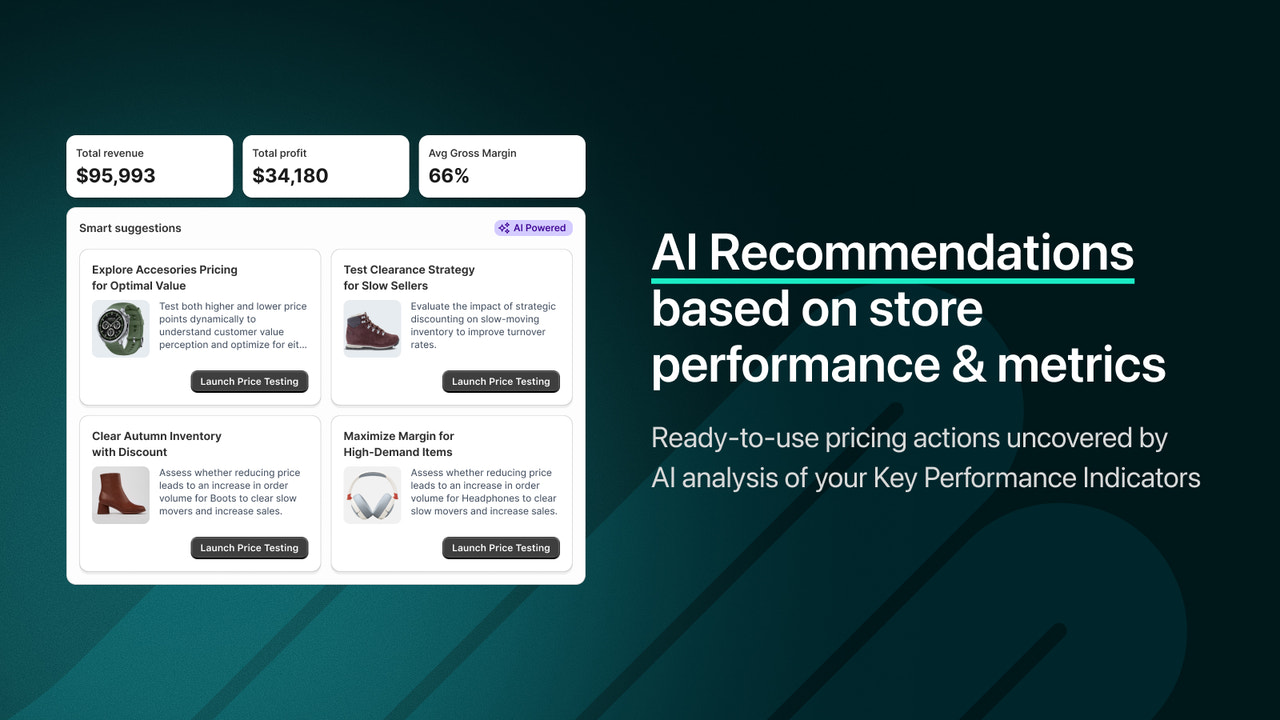
One important note before we get into the list: the Shopify App Store still has a relatively small number of true AI-first dynamic pricing tools with fully transparent public data. Because of that, I included the apps that merchants most often use for profit-maximizing price automation, even when they lean more toward bulk discounting, wholesale pricing, or pricing rules than pure competitor-reactive repricing.
What is the best Shopify dynamic pricing app in 2026?
The best Shopify dynamic pricing app in 2026 depends on your pricing model. For most DTC stores, the best option is the one that lets you change prices safely at scale, not the one with the fanciest AI label.
If you run promotions across lots of SKUs, Discounty: Bulk Discount Sales is one of the strongest practical picks. If you sell B2B, Massy B2B Wholesale Pricing or Clay • B2B Wholesale Pricing makes more sense. If you want price-driven AOV growth, Appstle℠ Bundles & Upsells is the best fit.
How did I choose these Shopify pricing apps?
I chose these apps based on real merchant usefulness, not just category labels. The goal was to find tools that can directly improve margin, average order value, or pricing efficiency in a Shopify store.
- Clear pricing use case - dynamic discounts, volume pricing, wholesale tiers, or price testing support
- Shopify-native implementation - apps that merchants can realistically install and run without custom infrastructure
- Profit impact potential - margin protection, AOV growth, or faster promotional execution
- Merchant trust signals - app store presence, visible adoption, and ongoing relevance in 2026
- Practicality - I prioritized apps a solo founder or lean ecommerce team can actually manage
In my experience building Shopify apps, merchants rarely need fully autonomous price changes every 15 minutes. What they need is a system that helps them change the right prices, for the right customers, at the right time without breaking theme logic, analytics, or customer trust.

1. Appstle℠ Bundles & Upsells
Appstle℠ Bundles & Upsells is the best dynamic pricing-style app for merchants who want to increase AOV through bundle-based price logic. It is not a pure repricer, but it is one of the most effective ways to create flexible price incentives that move profit.

Instead of changing a single product's base price all day, Appstle lets you create dynamic bundle offers, quantity breaks, and upsell-driven effective pricing. For many stores, that is more profitable than raw repricing because it raises order value without training shoppers to wait for sitewide discounts.
I especially like this model for stores that sell complementary products or consumables. If you are also comparing post-purchase and cart-based revenue tools, my guide to the best upsell apps for Shopify is a useful companion read.
What is Appstle best for?
Appstle is best for DTC stores that want pricing flexibility through bundles and upsells. It works well for beauty, supplements, apparel add-ons, and home goods.
- Bundle pricing and mix-and-match offers
- Quantity breaks and tiered discounts
- Upsell and cross-sell flows
- Cart value growth without blanket markdowns
- Useful for stores with repeatable product combinations
Pricing
Pricing varies by plan on the Shopify App Store, and Appstle typically positions itself with accessible entry pricing compared with enterprise merchandising tools. Check the latest details on the official App Store listing.
My take as a Shopify app developer
This is one of the smartest “dynamic pricing” approaches for most merchants. In real stores, customers respond better to value framing than random price fluctuations. If you can turn a $42 order into a $58 order with a bundle, that often beats shaving 8 percent off a hero SKU and hoping conversion improves.
- Pros: Great AOV upside, strong merchandising flexibility, less margin erosion than blunt discounting
- Cons: Not a competitor-monitoring repricer, requires thoughtful offer design
2. Discounty: Bulk Discount Sales
Discounty is the best Shopify pricing app for fast promotional execution across large catalogs. If you need to launch timed discounts, collection-wide markdowns, or bulk price changes, it is one of the most practical tools in this space.
For many merchants, dynamic pricing in Shopify really means reactive campaign pricing. You want to lower prices for a collection, schedule a sale, exclude low-margin products, and roll everything back cleanly. Discounty handles that kind of work well.
That matters a lot during seasonal pushes. If you run calendar-based campaigns, you may also want to see my roundup of the best Christmas Shopify apps for stores that rely on timed offers and urgency.
What is Discounty best for?
Discounty is best for stores running frequent sales and catalog-wide pricing campaigns. It is a strong fit for fashion, accessories, and stores with lots of SKUs.
- Bulk discount creation
- Scheduled sales and automatic start-stop timing
- Collection, product, and variant-level targeting
- Sale badges and merchandising support
- Good fit for seasonal and flash-sale strategies
Pricing
Discounty offers plan-based pricing, with current details available on the Shopify App Store page. Pricing can change, so I always recommend checking the live listing before making a shortlist.
My take as a Shopify app developer
This is the kind of app that saves real operational time. I have worked with merchants who were still editing compare-at prices manually, and it is a recipe for mistakes. If your team touches pricing often, bulk automation pays for itself quickly through fewer errors and faster campaign launches.
- Pros: Excellent for sale scheduling, catalog-wide changes, simple to understand
- Cons: More discount automation than true AI pricing optimization
3. Massy B2B Wholesale Pricing
Massy B2B Wholesale Pricing is one of the best Shopify pricing apps for wholesale and customer-specific price logic. If your store needs different prices for different buyers, this is a much better fit than generic discount apps.

Wholesale merchants often talk about dynamic pricing, but what they really need is segmented pricing. That means customer tags, tiered discounts, net pricing logic, and rules that make sense for account-based selling. Massy is built closer to that reality.
What is Massy best for?
Massy is best for B2B stores, hybrid wholesale-retail stores, and merchants with customer group pricing. It helps you avoid awkward workarounds inside standard Shopify pricing.
- Wholesale pricing by customer segment
- Tiered and volume-based pricing
- Custom discounts for tagged buyers
- Support for B2B-style ordering logic
- Useful for stores selling to retailers, distributors, or trade accounts
Pricing
Massy uses subscription pricing, with current plans shown on the official App Store listing. As with all pricing apps, verify current plan limits before rollout.
My take as a Shopify app developer
I like apps like this because they solve a real structural problem. B2B pricing is rarely about AI. It is about enforcing the right price for the right account without creating duplicate stores or broken discount logic. If you are on Shopify and trying to grow wholesale, this category matters a lot more than flashy pricing buzzwords.
- Pros: Strong B2B relevance, customer-specific logic, margin protection
- Cons: Less relevant for pure DTC brands, setup can be more involved than simple sale apps
4. Clay • B2B Wholesale Pricing
Clay • B2B Wholesale Pricing is another strong option for wholesale price automation, especially if you want a focused B2B pricing layer inside Shopify. It is best viewed as a segmented pricing tool rather than a traditional repricer.

In my experience, merchants moving into wholesale often underestimate how messy pricing can get. You need to handle trade discounts, customer approvals, and pricing visibility without confusing retail shoppers. Clay is aimed at that exact problem.
What is Clay best for?
Clay is best for stores building a wholesale channel and needing flexible customer-specific pricing. It is especially useful when your public storefront and wholesale logic need to coexist.
- B2B and wholesale pricing rules
- Customer-specific discounts
- Support for approved wholesale buyers
- Useful for mixed retail and wholesale operations
- Can reduce manual invoice and pricing exceptions
Pricing
Clay has app subscription pricing, and the latest plan details are available on the Shopify App Store listing.
My take as a Shopify app developer
If your “dynamic pricing” need is really wholesale segmentation, Clay deserves a serious look. I would rather see a merchant use a purpose-built B2B pricing app than pile discount codes, draft orders, and manual spreadsheets on top of each other. That approach always breaks once order volume increases.
- Pros: Good wholesale focus, cleaner pricing segmentation, practical for hybrid stores
- Cons: Narrower use case than general discount apps
5. Discount Mixer: Bulk Discounts
Discount Mixer is a solid Shopify pricing app for merchants who want layered discount strategies and bulk price control. It fits stores that need more flexibility than Shopify's native discount setup provides.

Not every pricing improvement comes from changing base prices. Sometimes the win comes from smarter stacking, collection logic, and discount presentation. That is where apps like Discount Mixer can outperform a simplistic “lower the price” strategy.
What is Discount Mixer best for?
Discount Mixer is best for stores that run frequent promotions with multiple discount conditions. It is useful for merchants who want more control over how pricing incentives are applied.
- Bulk discount management
- Promotional pricing logic across products or collections
- Flexible campaign setup
- Can support more advanced sale structures than native Shopify tools alone
- Helpful for merchandising-heavy stores
Pricing
Discount Mixer is sold as a paid Shopify app, with current tiers shown on the official listing.
My take as a Shopify app developer
This is a practical middle-ground app. If you are not ready for enterprise pricing software but you have outgrown manual discount management, this type of tool can close the gap nicely. I would use it when the merchandising team needs speed and control more than algorithmic pricing.
- Pros: Flexible discount control, better campaign management, useful for mid-sized catalogs
- Cons: Less differentiated if you only run occasional simple sales
6. Rockit Discounts & Sales App
Rockit Discounts & Sales App is one of the best Shopify pricing apps for scheduled sales, urgency pricing, and straightforward promotional automation. It is especially useful for stores that want reliable sale execution without overcomplicating the stack.
Rockit sits in the same broad family as other sale automation tools, but that is not a bad thing. A lot of merchants simply need scheduled discounts, sale countdown alignment, and clean rollback behavior. When that works well, profit improves because campaigns launch on time and pricing errors drop.
If your pricing strategy overlaps with cart incentives and add-on offers, you may also want to read my posts on Shopify upsell on the product page and the best Shopify add-on apps.
What is Rockit best for?
Rockit is best for stores that want dependable sale scheduling and discount automation. It suits merchants running frequent product launches, timed promotions, or seasonal markdowns.
- Scheduled discounts and sales
- Bulk sale management
- Useful for flash sales and campaign planning
- Can reduce manual repricing work
- Good fit for lean teams that need simple execution
Pricing
Rockit uses subscription pricing, and you can view the latest plan information on the Shopify App Store page.
My take as a Shopify app developer
I like tools that do one job cleanly. Rockit is not trying to be a full profit intelligence platform. If your goal is to get sales live quickly and avoid messy manual edits, that simplicity can actually be the advantage.
- Pros: Straightforward sale automation, easy operational win, good for campaign-led stores
- Cons: Not designed for advanced AI repricing or competitor monitoring
What should you look for in a Shopify dynamic pricing app?
The best Shopify dynamic pricing apps 2026 merchants choose are the ones that improve margin without damaging trust or operations. You should evaluate pricing apps on control, safety, segmentation, and reporting.
Here are the criteria I use when reviewing pricing tools for Shopify merchants and app clients.
Does the app match your pricing model?
Your pricing model matters more than the app category name. DTC promotions, wholesale pricing, bundle pricing, and AI repricing are different problems.
- DTC promotional stores need bulk sale scheduling
- B2B stores need customer-specific price logic
- AOV-focused brands need bundle and quantity pricing
- Enterprise pricing teams may need external repricing systems and custom integrations
Can you control the downside?
Good pricing automation always includes guardrails. You should be able to protect minimum margins, exclude products, and reverse changes cleanly.
In my experience, this is where merchants get burned. They install a pricing app for speed, then realize they have no safe rollback or no visibility into which products were changed.
Will it work with your theme and discount stack?
Pricing apps can conflict with themes, cart drawers, bundles, and other discount logic. Always test on a duplicate theme before rolling out storewide.
If your store already uses upsell apps, product page apps, or checkout extensions, compatibility matters even more. I cover adjacent stack choices in my guides to the best product page apps for Shopify and the best checkout apps.
Which Shopify pricing app is best for your store type?
The best app depends on whether you sell DTC, wholesale, or campaign-led catalogs. There is no single best tool for every pricing workflow.
| Store type | Best app | Why it fits |
|---|---|---|
| DTC brand focused on AOV | Appstle℠ Bundles & Upsells | Creates dynamic value through bundles, quantity breaks, and upsells |
| Large catalog with frequent sales | Discounty: Bulk Discount Sales | Makes scheduled bulk pricing changes easier and safer |
| Wholesale or B2B store | Massy B2B Wholesale Pricing | Supports customer-specific and tiered pricing logic |
| Hybrid retail and wholesale | Clay • B2B Wholesale Pricing | Helps manage approved buyer pricing without separate storefronts |
| Promotion-heavy merchandising team | Discount Mixer: Bulk Discounts | Offers flexible campaign and discount management |
| Lean team running timed sales | Rockit Discounts & Sales App | Simple sale scheduling and reliable discount automation |
Quick comparison: the 6 best Shopify dynamic pricing apps in 2026
This table is the fastest way to compare the apps in this roundup. I recommend narrowing your shortlist based on use case first, then checking live pricing and reviews on the App Store.
| App | Best for | Pricing style | Main strength | Main limitation |
|---|---|---|---|---|
| Appstle℠ Bundles & Upsells | AOV-focused DTC stores | Subscription | Bundle-driven pricing optimization | Not a true competitor repricer |
| Discounty: Bulk Discount Sales | Bulk promotional pricing | Subscription | Fast catalog-wide sale management | Discount-focused rather than AI-driven |
| Massy B2B Wholesale Pricing | B2B and wholesale pricing | Subscription | Customer-segment pricing rules | Less useful for pure DTC |
| Clay • B2B Wholesale Pricing | Hybrid retail and wholesale | Subscription | Wholesale pricing layer inside Shopify | Narrower use case |
| Discount Mixer: Bulk Discounts | Flexible discount campaigns | Subscription | Layered promotional pricing logic | May be overkill for simple stores |
| Rockit Discounts & Sales App | Timed sales and markdowns | Subscription | Simple scheduled sale automation | Limited advanced pricing intelligence |
Are Shopify dynamic pricing apps worth it in 2026?
Yes, Shopify dynamic pricing apps are worth it in 2026 if they save time, protect margin, or increase AOV. They are not worth it if you install them without a clear pricing strategy.
My honest view is that most merchants should stop chasing the idea of fully autonomous AI pricing and instead focus on controlled pricing systems. The stores that win usually do three things well: they run promotions cleanly, segment prices intelligently, and test value-based offers like bundles and quantity breaks.
If you want the shortest recommendation list, here it is. Choose Appstle if your goal is profit per order. Choose Discounty if your goal is bulk sale execution. Choose Massy or Clay if your goal is wholesale pricing. Choose Discount Mixer or Rockit if your goal is flexible discount operations with less manual work.
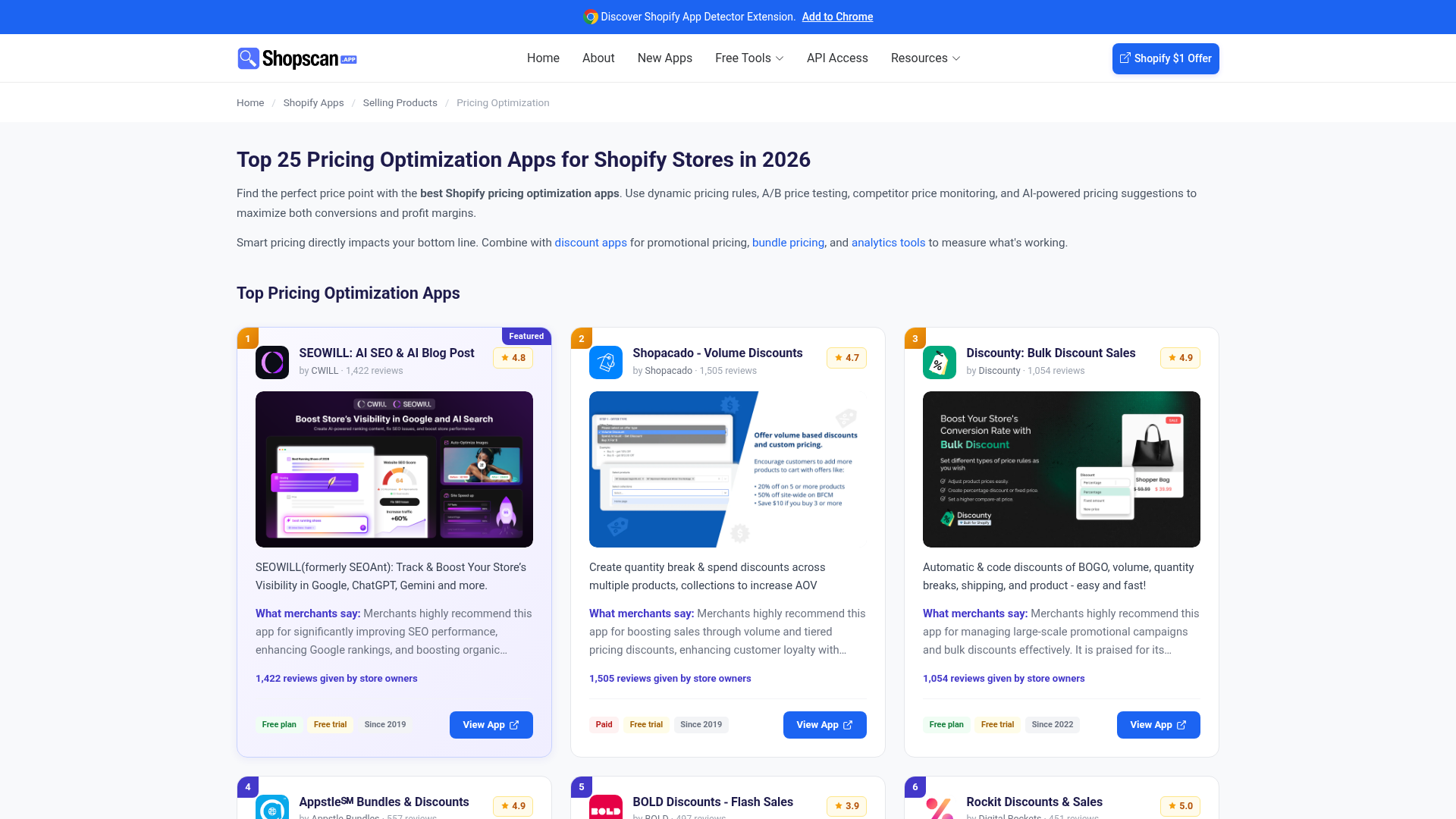
For broader App Store research, you can also browse Shopify's pricing optimization category and compare how these tools fit with your existing stack.