The best checkout apps for Shopify in 2026 help you add upsells, custom fields, payment rules, trust signals, and post-purchase offers without rebuilding your store. If you want to increase conversion rate, raise average order value, or make checkout feel more tailored to your customers, these are the apps I would shortlist first.
As someone who builds Shopify apps for a living, I spend a lot of time looking at where merchants lose revenue. In my experience, the checkout is where small friction points create outsized damage. A confusing payment method, missing delivery reassurance, or poor upsell placement can quietly chip away at conversions every day.
That is also why this topic has changed a lot over the last couple of years. Shopify has pushed merchants towards Checkout Extensibility and Checkout UI Extensions, which means the best apps now work with Shopify's modern checkout architecture rather than old checkout.liquid customisations. For Plus merchants especially, that opens up far more flexibility, better performance, and safer long-term customisation.
If you are still figuring out what Shopify checkout can and cannot do natively, read our Shopify checkout guide. If your main goal is lifting conversion rate rather than adding features for the sake of it, I would also pair this with our guide on how to optimise Shopify checkout and increase conversions.
What are the best checkout apps for Shopify?
The best checkout apps for Shopify are Checkout Blocks, BeSure Checkout Rules, Payfy: Payment Rules, Checkout Plus - Customizations, Smile: Loyalty & Rewards, and ShopClimb - Trust Badges. Together, they cover the main checkout use cases merchants actually care about: customisation, payment and shipping control, trust, loyalty, and AOV growth.
I have not picked these purely on star ratings. I have chosen them based on a mix of real merchant demand, how well they fit Shopify's current checkout stack, how often I see these use cases come up in app development, and whether they solve a specific checkout problem clearly.
How has Shopify checkout customisation changed in 2026?
Shopify checkout customisation in 2026 is centred on Checkout Extensibility, not legacy checkout.liquid edits. That means the best apps now use UI extensions, Shopify Functions, and the checkout editor to add features in a safer and more scalable way.
This matters because a lot of older advice about checkout is now outdated. If you are on Shopify Plus, you can do much more with the checkout editor and compatible apps. If you are not on Plus, you still have meaningful options, especially around payment rules, trust badges, loyalty, and post-purchase experiences, but your level of direct checkout page control is more limited.
In practical terms, merchants should stop asking, “Can I hack the checkout?” and start asking, “What is the cleanest app or extension for this use case?” That approach is usually faster, safer, and easier to maintain.
How do I choose the right checkout app for my Shopify store?
The right checkout app depends on the bottleneck you are trying to fix. Most stores do not need six checkout apps. They need one or two apps that solve one clear problem without adding clutter.
When I review checkout apps, I usually sort them into five buckets: upsells, payment and shipping logic, trust and reassurance, custom fields or content blocks, and post-purchase optimisation. Once you know which bucket matters most, choosing becomes much easier.
| Store goal | Best app type | Good fit from this list |
|---|---|---|
| Hide or reorder payment methods | Payment rules app | Payfy: Payment Rules |
| Control shipping and payment logic together | Checkout rules app | BeSure Checkout Rules |
| Add blocks, messages, fields, and upsells | Checkout customiser | Checkout Blocks |
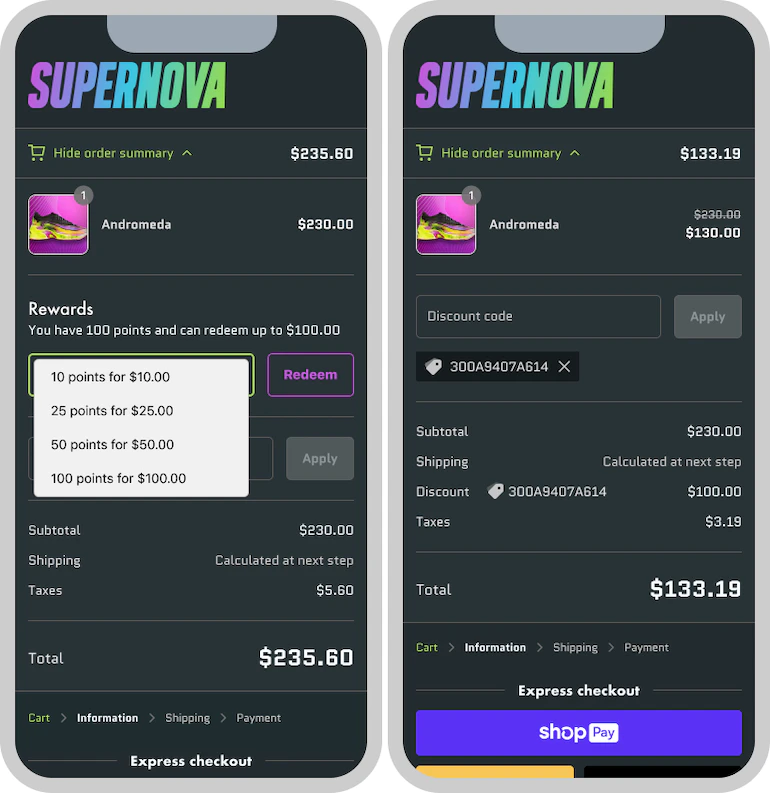
| Show loyalty points or reward redemption | Loyalty app with checkout support | Smile: Loyalty & Rewards |
| Increase trust near payment step | Trust badge app | ShopClimb - Trust Badges |
| Add more branded checkout content | Checkout customisation app | Checkout Plus - Customizations |
A simple rule I use is this: fix friction before adding more offers. If your checkout confuses customers, an upsell app will not rescue it. Clean up logic, trust, and usability first.
What can checkout apps actually improve?
Checkout apps can improve conversion rate, AOV, and customer confidence. The best ones reduce decision friction, surface useful information at the right moment, and make checkout feel more relevant to the buyer.
For example, I have seen merchants use checkout apps to block unsuitable payment methods for certain countries, add gift message fields for seasonal orders, show delivery reassurance before purchase, and surface a loyalty reminder that nudges a repeat order. None of these changes sound dramatic in isolation, but together they can have a measurable impact.
- Payment clarity - hide irrelevant or risky payment methods
- Shipping clarity - rename, reorder, or prioritise delivery options
- Higher AOV - add relevant upsells or add-ons
- Better trust - show payment icons, guarantees, and reassurance messaging
- More customer data - collect gift notes, delivery instructions, or custom information
- Retention - connect checkout with rewards or post-purchase offers
If your store is heavily focused on add-ons and AOV, our round-up of the best Shopify add-on apps is also worth reading. If upselling is the main KPI, you should also compare these checkout-focused tools with our list of the best upsell apps for Shopify.
Which are the 6 best checkout apps to extend the Shopify checkout?
These are the six checkout apps I would recommend most often in 2026 for merchants who want practical checkout improvements. Each app solves a different problem, so the best choice depends on whether you care more about rules, content, trust, or retention.
1. Is BeSure Checkout Rules the best app for checkout logic?
BeSure Checkout Rules is one of the best apps for merchants who need precise control over shipping methods and payment methods at checkout. It is especially useful when you want to hide, rename, sort, or preselect options based on cart and customer conditions.
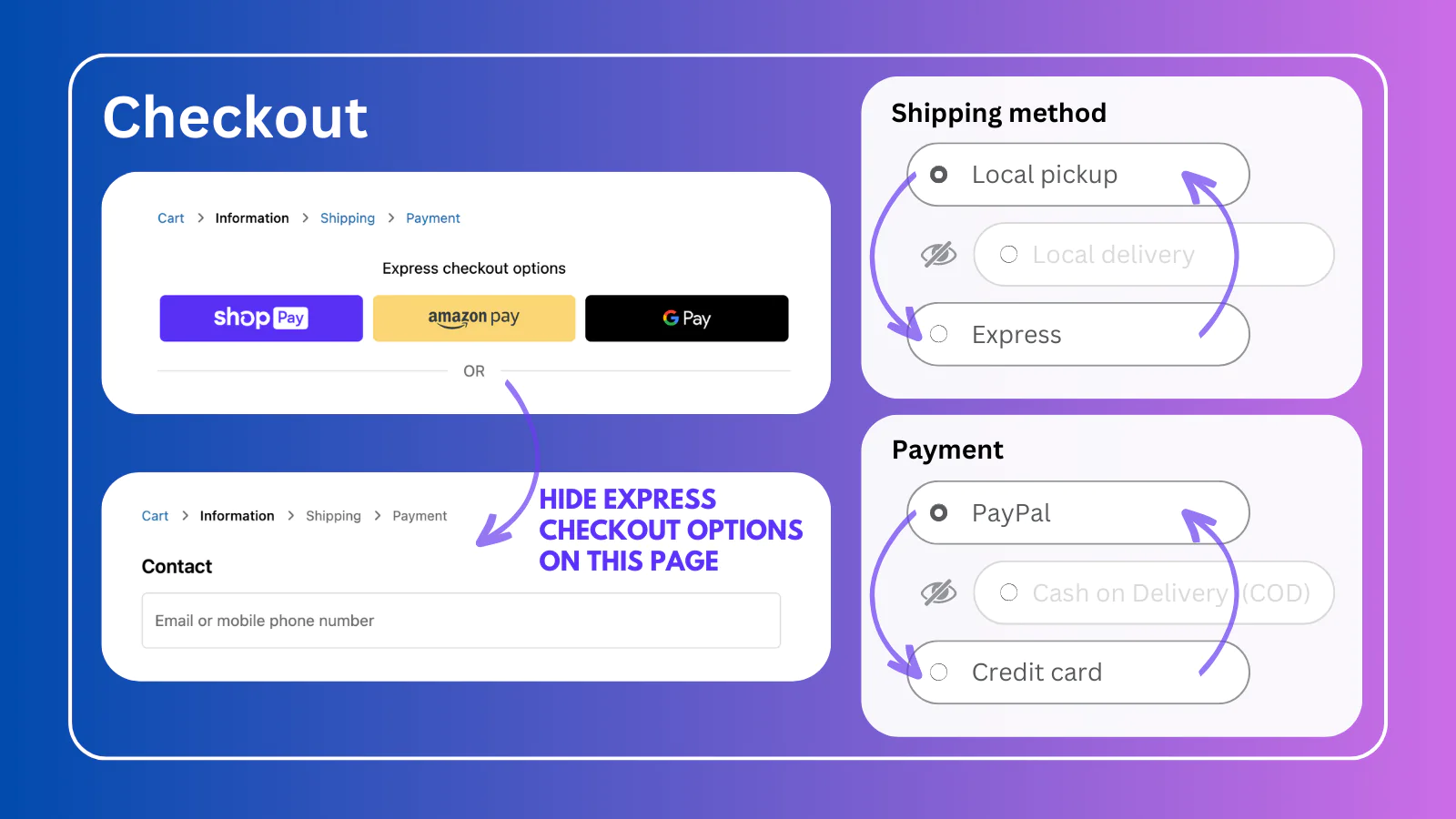
BeSure Checkout Rules has become popular because it tackles a very real checkout problem: too many stores show every payment or delivery option to every shopper. That often creates confusion, increases failed orders, or encourages the wrong fulfilment choice.
With BeSure, you can reorder, rename, or hide methods based on cart total, weight, address, products, tags, and more. That means you can block PO Box addresses, push store pickup lower, or preselect the option you want most customers to use. In my experience, these small workflow rules are exactly the kind of thing that operations teams care about once order volume grows.
The app also includes a rule testing feature, which I like because checkout changes should never be made blind. A testing layer is not flashy, but it is one of those features that makes an app much more practical for live stores.
- Best for: stores needing conditional checkout logic
- Standout feature: hide or sort shipping and payment methods with rules
- Why I like it: operationally useful, not just visually custom
2. Is Checkout Blocks the best official Shopify checkout customisation app?
Checkout Blocks is the best starting point for many merchants because it is Shopify's own route into checkout content blocks, custom fields, and basic upsell or information placement. It is one of the safest recommendations if you want modern checkout customisation without overcomplicating things.

Checkout Blocks gives merchants a drag-and-drop way to add useful content to checkout. Think banners, delivery messaging, custom fields, upsells, and other blocks that make checkout feel more branded and informative.
What I like here is that it aligns well with how Shopify wants merchants to build now. Rather than asking developers to patch together brittle workarounds, the app works with the checkout editor and supports modern Shopify features like B2B and Markets. That makes it a strong fit for stores operating across regions or customer groups.
It is also one of the easiest apps to recommend to non-technical merchants. If your team wants to test a message, add a reassurance block, or introduce a light upsell without touching theme code, this is a sensible place to start.
- Best for: merchants wanting no-code checkout UI changes
- Standout feature: drag-and-drop blocks inside the checkout editor
- Why I like it: official Shopify direction, easy to maintain
3. Is Payfy the best checkout app for payment method control?
Payfy: Payment Rules is one of the best apps if your main issue is payment method clutter or mismatch. It gives merchants far more control over which payment options appear, when they appear, and how they are labelled.

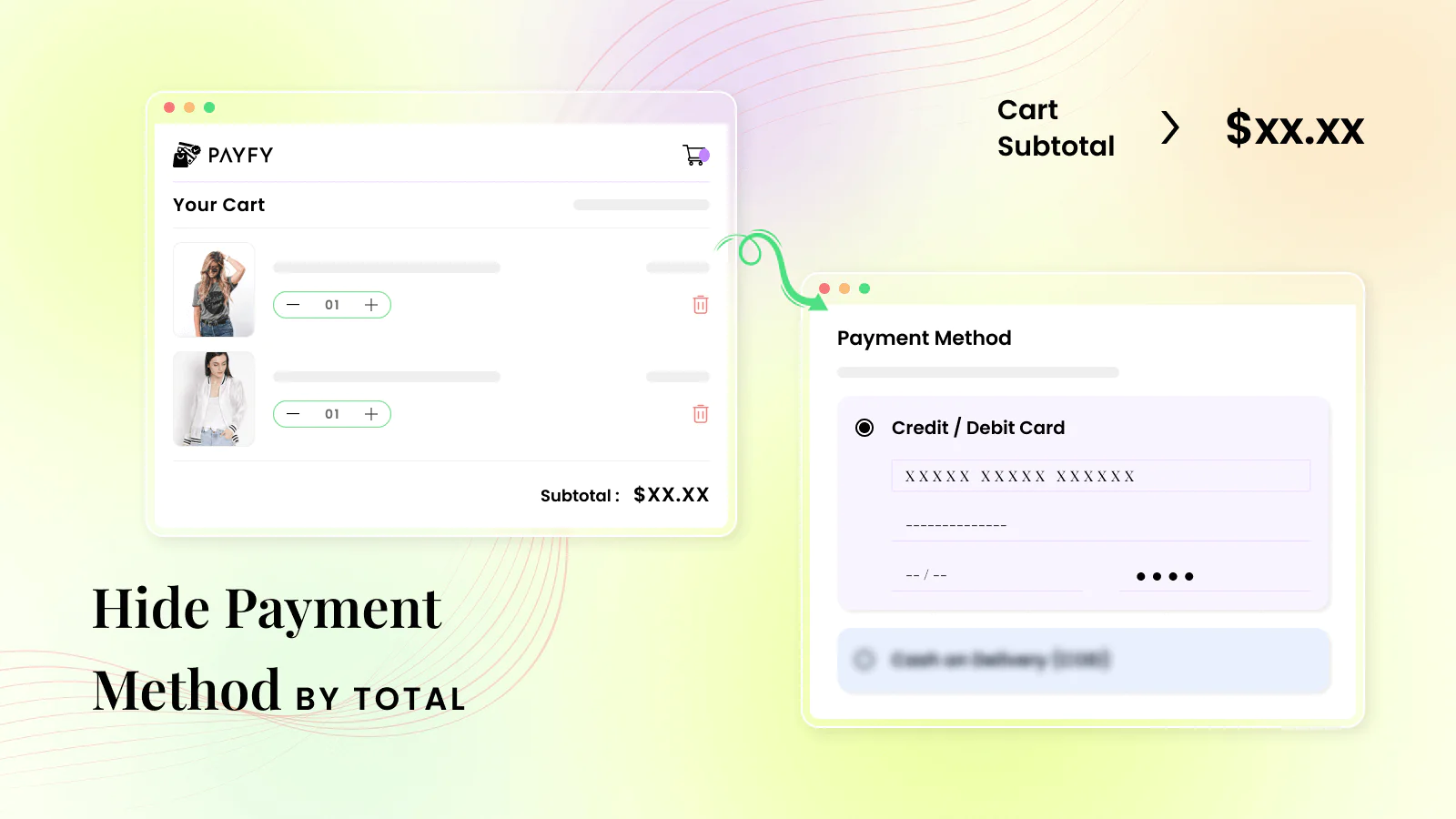
Payfy: Payment Rules is particularly useful for merchants who need to hide payment methods based on order value, products, customer tags, shipping methods, country, or B2B status. That sounds niche until you run into real cases like blocking Cash on Delivery for international orders or hiding Pay Later for certain customer types.
In my experience, payment customisation is often underestimated. Merchants focus on checkout design, but the wrong payment mix can create support tickets, failed conversions, and fraud headaches. Showing fewer, more relevant payment options is often better than showing everything.
Payfy also supports renaming, sorting, and reordering payment methods, which is helpful if you want checkout language to match local expectations. It is also notable because it offers value beyond Shopify Plus only use cases, making it more accessible to a wider range of stores.
- Best for: payment method logic and localisation
- Standout feature: conditional hiding of payment methods
- Why I like it: practical fix for one of the most common checkout pain points
4. Is ShopClimb Trust Badges worth adding to checkout?
ShopClimb - Trust Badges is worth it if your checkout needs stronger visual reassurance. It is a simpler app than some others on this list, but trust signals still matter, especially for newer brands or higher-ticket purchases.


ShopClimb - Trust Badges helps merchants display payment icons and trust elements that reassure shoppers at the point of purchase. This is especially useful if your audience is unfamiliar with your brand, cautious about card security, or likely to hesitate before completing an order.
I would not position trust badges as a miracle conversion fix. On their own, they rarely transform performance. But when used well, they reduce anxiety and support the broader checkout experience. That matters most for stores with cold traffic from paid ads, international shoppers, or products that require a little more confidence before purchase.
The key is restraint. Too many icons can look noisy. A clean set of recognisable payment and guarantee badges usually works better than a cluttered wall of logos.
- Best for: new brands and low-trust purchase journeys
- Standout feature: simple trust and payment icon display
- Why I like it: low effort, easy reassurance win
5. Can Smile Loyalty improve checkout conversion and repeat purchases?
Smile: Loyalty & Rewards can improve checkout performance by making loyalty benefits visible at the moment of purchase. It is less about direct checkout design and more about using rewards psychology to encourage completion and future repeat orders.

Smile: Loyalty & Rewards is a well-known loyalty app, and one of its most useful checkout-adjacent benefits is letting customers see or redeem value tied to their account. If a shopper knows they can use points or earn progress towards a reward, that can be enough to get them over the line.
This is one of those features that tends to work best for brands with repeat purchase potential. If you sell replenishable products, beauty, pet supplies, coffee, supplements, or anything subscription-adjacent, loyalty can be a strong checkout enhancer. If you want more ideas there, our guide to the best subscription apps for Shopify complements this nicely.
From a developer perspective, I like loyalty apps that feel native rather than intrusive. The goal is not to distract from checkout. The goal is to remind a returning customer that there is extra value in finishing the order now.
- Best for: repeat-purchase brands and retention-focused stores
- Standout feature: loyalty visibility and redemption incentives
- Why I like it: helps checkout and retention at the same time
6. Is Checkout Plus a good alternative for branded checkout customisations?
Checkout Plus - Customizations is a strong choice for merchants who want more branded, flexible checkout enhancements. It is a good middle ground if you want to add useful content, custom messaging, and buyer-facing fields without building custom extensions yourself.

Checkout Plus - Customizations is designed for merchants who want to personalise the checkout and post-purchase journey with features like custom fields, messaging, and branded enhancements. It is particularly useful for gift stores, B2B stores, and merchants who need to collect a little more customer context at the point of order.
In practice, custom fields are often more valuable than merchants expect. Gift note fields, delivery instructions, PO references, and order comments can all reduce support load later. The trick is to only ask for information that genuinely helps fulfilment or customer experience.
If you are comparing this with Checkout Blocks, I would say Checkout Blocks is the more obvious starting point for many stores, while Checkout Plus can be the better fit if you want a more purpose-built customisation layer with broader buyer-facing enhancements.
- Best for: branded checkout messaging and custom fields
- Standout feature: flexible checkout and post-purchase customisation
- Why I like it: useful for stores with specific data collection needs
Which checkout app is best for Shopify Plus merchants?
The best checkout apps for Shopify Plus merchants are usually Checkout Blocks, BeSure Checkout Rules, and Checkout Plus. These apps align well with Checkout UI Extensions and the deeper checkout customisation options available on Plus.
Shopify Plus merchants have more flexibility, so the decision becomes less about “what is possible?” and more about “what is worth implementing?” In my experience, Plus stores get the best results when they focus on one of these three priorities:
- Reduce friction with better payment and shipping logic
- Increase AOV with carefully placed upsells or add-ons
- Improve clarity with branded content, delivery information, or trust messaging
If you are on Plus and interested in checkout revenue specifically, it is also worth comparing checkout extensions with more dedicated upsell tools. We cover that in our guide to the best one-click upsell apps for Shopify.
What is the best checkout app for non-Plus Shopify stores?
The best checkout apps for non-Plus stores are usually those that improve the buying journey without relying on full checkout page control. Payfy, Smile, and ShopClimb are strong examples because they solve real problems even with more limited checkout access.
This is an important distinction because many ranking articles blur the line between what Plus and non-Plus stores can actually do. I would rather be clear: if you are not on Plus, do not buy an app expecting unlimited checkout redesign freedom. Instead, focus on apps that improve payment relevance, trust, loyalty, or post-purchase value.
That approach usually delivers better ROI anyway. Most smaller stores do not need a heavily customised checkout. They need a cleaner, more trustworthy one.
How do these checkout apps compare?
The main difference between these apps is the problem they solve. Some are built for rules and logic, others for content and branding, and others for trust or retention.
| App | Primary use case | Best for | Notable strength |
|---|---|---|---|
| Checkout Blocks | Checkout UI blocks and content | General customisation | Official Shopify app with no-code editor support |
| BeSure Checkout Rules | Conditional shipping and payment logic | Operational control | Advanced rules and testing |
| Payfy: Payment Rules | Payment method control | Payment optimisation | Hide, rename, reorder payment methods |
| Checkout Plus - Customizations | Branding, messages, fields | Custom checkout experiences | Flexible buyer-facing enhancements |
| Smile: Loyalty & Rewards | Loyalty and rewards | Retention-focused brands | Encourages repeat purchases |
| ShopClimb - Trust Badges | Trust signals | Newer or lower-trust brands | Simple reassurance near purchase |
What mistakes should merchants avoid when extending checkout?
The biggest mistake is adding too much to checkout. A better checkout is usually clearer, not busier.
I see merchants make the same few mistakes repeatedly when testing checkout apps:
- Adding multiple overlapping apps that create clutter or conflicting logic
- Showing too many upsells before the customer has committed
- Collecting unnecessary information with custom fields
- Failing to test localisation for shipping and payment rules
- Ignoring mobile UX, where checkout friction is usually worse
In my experience building Shopify apps, the best-performing checkout changes are usually the most boring on paper. A payment method hidden in the right country, a delivery message shown at the right moment, or a loyalty reminder for the right customer segment often beats a flashy but intrusive feature.
How should you test a Shopify checkout app properly?
You should test a Shopify checkout app by tracking one primary metric and one guardrail metric. For most stores, that means measuring conversion rate or AOV, while also watching checkout completion rate or support issues.
Here is the process I recommend:
- Pick one goal - for example, increase AOV by 5%
- Install one checkout app first rather than several at once
- Configure the minimum viable change - one rule, one badge set, one upsell block
- Run it for 2 to 4 weeks if order volume allows
- Compare before and after using Shopify analytics and app reporting
- Check support tickets to spot confusion the numbers miss
If you want more app ideas around checkout and customer journey improvements, the Shopify App Store checkout category is still useful for discovery, but I would not rely on category pages alone. Reviews, merchant use cases, and compatibility with your plan matter more than raw popularity.
Which checkout app would I choose for different store types?
If I were choosing quickly for different merchant types, I would match the app to the business model rather than looking for one universal winner. The best checkout app is the one that solves your store's most expensive checkout problem.
| Store type | My pick | Why |
|---|---|---|
| Small DTC brand | Checkout Blocks | Best all-round starting point for simple checkout improvements |
| International store | Payfy: Payment Rules | Best for payment localisation and reducing irrelevant options |
| Operationally complex store | BeSure Checkout Rules | Best for conditional logic across shipping and payment |
| Gift store or B2B store | Checkout Plus - Customizations | Best for custom fields and buyer-specific messaging |
| Retention-focused brand | Smile: Loyalty & Rewards | Best for repeat purchase incentives |
| New store with low trust | ShopClimb - Trust Badges | Best low-cost reassurance layer |
Are checkout apps worth it on Shopify?
Checkout apps are worth it when they remove friction or create measurable revenue lift. They are not worth it if they add visual noise, duplicate existing functionality, or solve a problem your store does not actually have.
My honest view is that most merchants should start with one checkout app, not a stack. If I had to prioritise, I would usually begin with Checkout Blocks for general customisation, Payfy for payment logic, or BeSure Checkout Rules for more advanced operational control.
For stores with stronger retention economics, Smile is a smart addition. For newer brands that need more reassurance, ShopClimb is a simple win. And if you need more tailored fields and messaging, Checkout Plus is a solid specialist option.
The checkout is the last step before revenue lands in your account. That makes it one of the highest leverage places to optimise. In my experience building Shopify apps, merchants who treat checkout as a strategic part of conversion, rather than a fixed system screen, usually find the easiest wins faster.