
Launching a new Shopify store is an exciting venture, but it’s just the beginning. The real challenge lies in getting your store found on Google. In today’s digital age, visibility on search engines can make or break your business. Fortunately, there are strategies you can employ to increase your store’s online presence and drive organic traffic.
Understanding the basics of SEO (Search Engine Optimization) and implementing them on your Shopify store is crucial. From optimizing your website structure to crafting keyword-rich content, each step is a building block towards achieving higher rankings on Google. This guide will walk you through actionable tips and techniques to ensure your Shopify store doesn’t just exist but thrives in the vast digital marketplace. Let’s dive into how you can turn your new Shopify store into a Google favorite.
Understanding SEO for Shopify
Optimizing your new Shopify store for search engines, particularly Google, is a fundamental step in ensuring your online visibility and driving organic traffic to your site. Understanding SEO specifically tailored for Shopify will not only enhance your store’s ranking on Google but also improve user experience, leading to higher conversion rates and increased sales.
Importance of SEO for E-commerce
SEO, or Search Engine Optimization, plays a pivotal role in the success of any e-commerce platform. For your Shopify store, effective SEO strategies ensure you appear in relevant search results, connecting you with potential customers actively searching for the products you offer. In 2025, the first result for a given Google search gets 27.6% of all clicks, making high rankings more important than ever. It’s crucial to understand that optimizing your store isn’t just about attracting traffic—it’s about attracting the right kind of traffic that’s likely to convert into sales.
Key SEO Concepts for Shopify Stores
When it comes to Shopify, several key SEO concepts are essential for improving your store’s Google ranking:
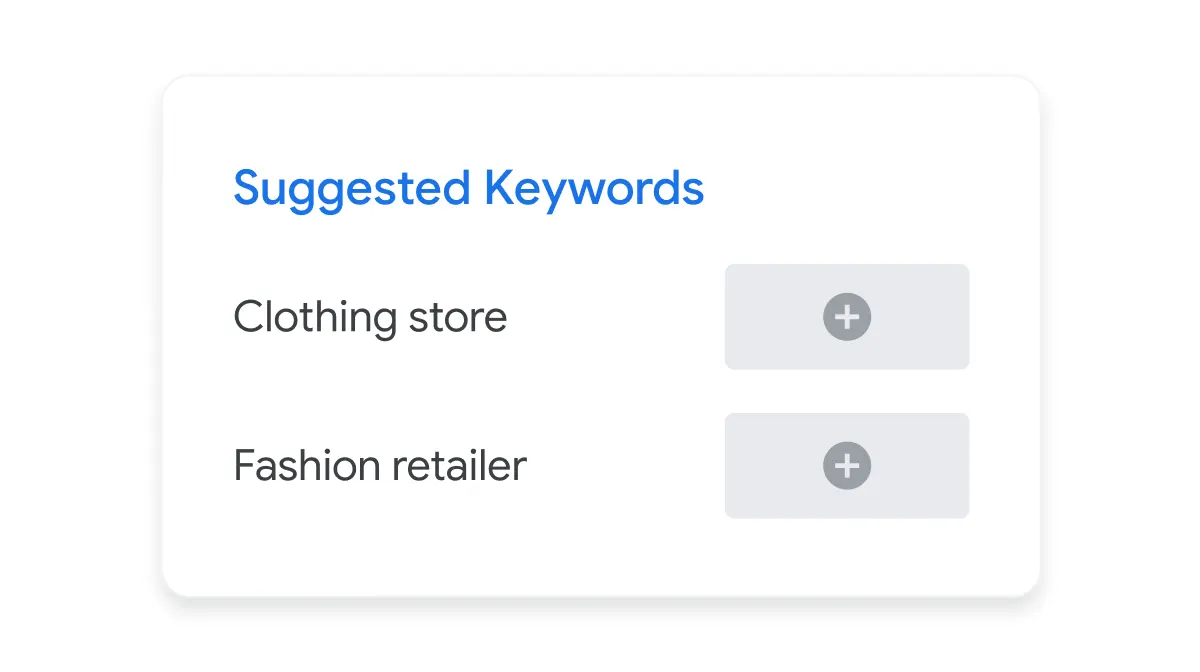
- Keyword Research: Identifying the right keywords is the first step towards SEO success. Use tools like Google Keyword Planner to find terms and phrases your potential customers are searching for. Include these keywords naturally in your product titles, descriptions, meta descriptions, and URL slugs to optimize your pages.
- On-Page SEO: Beyond keywords, on-page SEO involves optimizing individual page elements to make them more search engine friendly. This includes crafting unique, descriptive titles and meta descriptions for each product and page, structuring your content with headers, and using high-quality, alt-text-optimized images.
- Site Structure: A well-organized site structure improves user experience and helps Google better understand and index your site. Simplify navigation by organizing products into categories and subcategories, and ensure your website is mobile-friendly given Google’s mobile-first indexing approach, which has been the standard since 2024.
- High-Quality Content: Creating original, valuable content—such as blog posts about your products or guides related to your industry—not only helps with SEO but also establishes your store as a credible source of information. Engaging content can attract backlinks, further improving your store’s authority and ranking.
- Technical SEO: This includes ensuring your site loads quickly, is secure (HTTPS), and offers a seamless user experience. Tools like Google’s PageSpeed Insights can help you analyze and improve your website’s performance.
- Local SEO: If you have a physical location or target customers in a specific area, local SEO can help. Optimize your site with location-specific keywords and set up a Google My Business account to improve local search visibility.
Implementing these SEO strategies requires consistent effort and patience, as results won’t happen overnight. However, by focusing on these key concepts, you can significantly improve your Shopify store’s visibility on Google, connecting with more potential customers and growing your online business.
Setting Up Your Shopify Store for Success
Optimizing Your Store’s Structure
Creating a clear, logical structure for your Shopify store is essential for both user experience and search engine visibility. A well-organized site structure helps search engines understand and index your content, leading to higher rankings in search results. Start by planning a hierarchy that begins with your homepage at the top. Underneath, categorize your products into collections, and if necessary, sub-collections. Keep the number of main categories reasonable to avoid overwhelming your visitors.
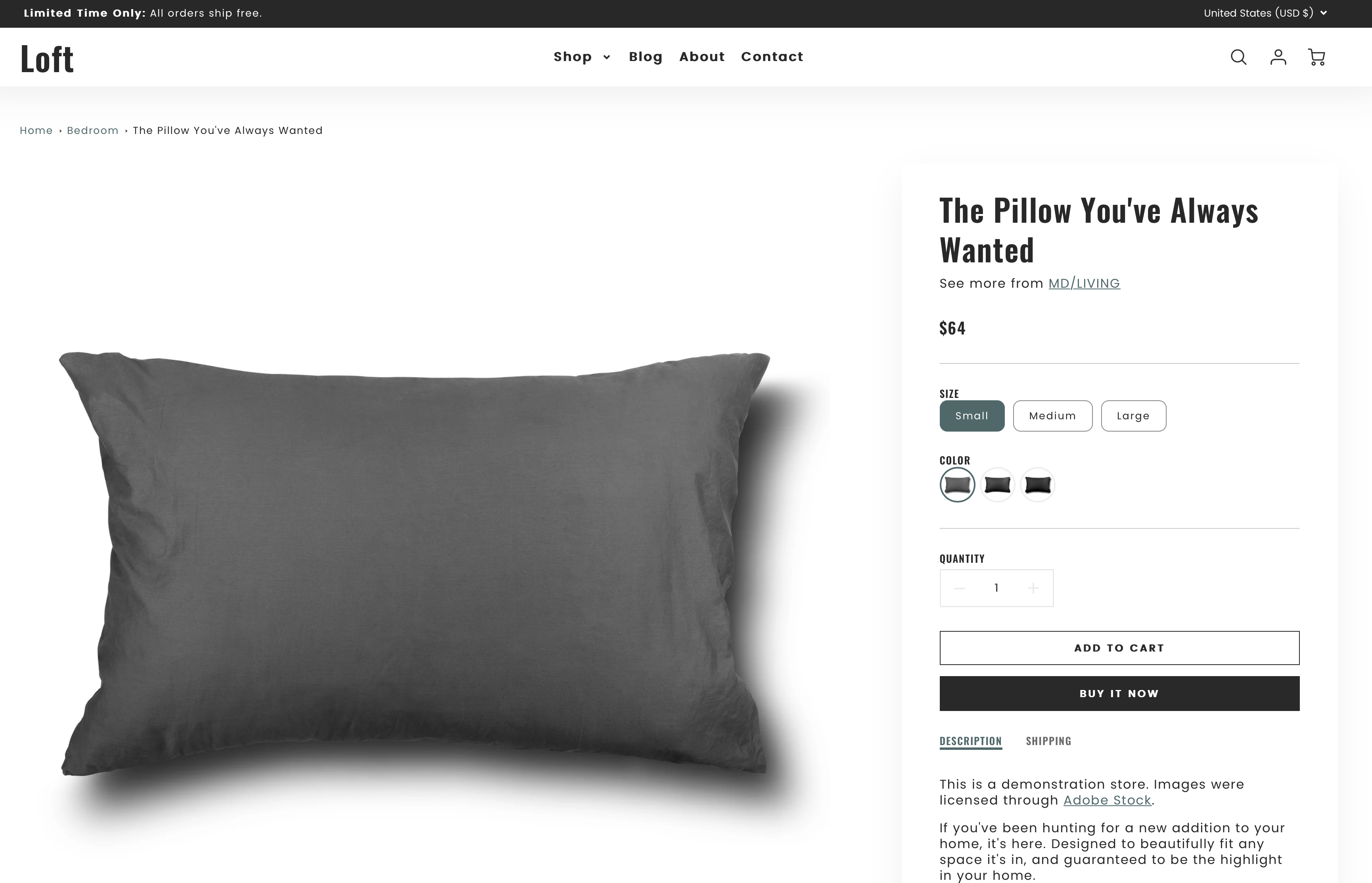
For each product and collection page, use descriptive, keyword-rich titles and URLs that reflect the content. This not only improves SEO but also helps users navigate your site more easily. Implement breadcrumbs to aid in navigation and to reinforce the structure of your site to search engines. Additionally, link strategically within your content to ensure search engines and users can discover more related items, thereby increasing page views and potential for higher conversion rates.
Mobile Responsiveness and User Experience
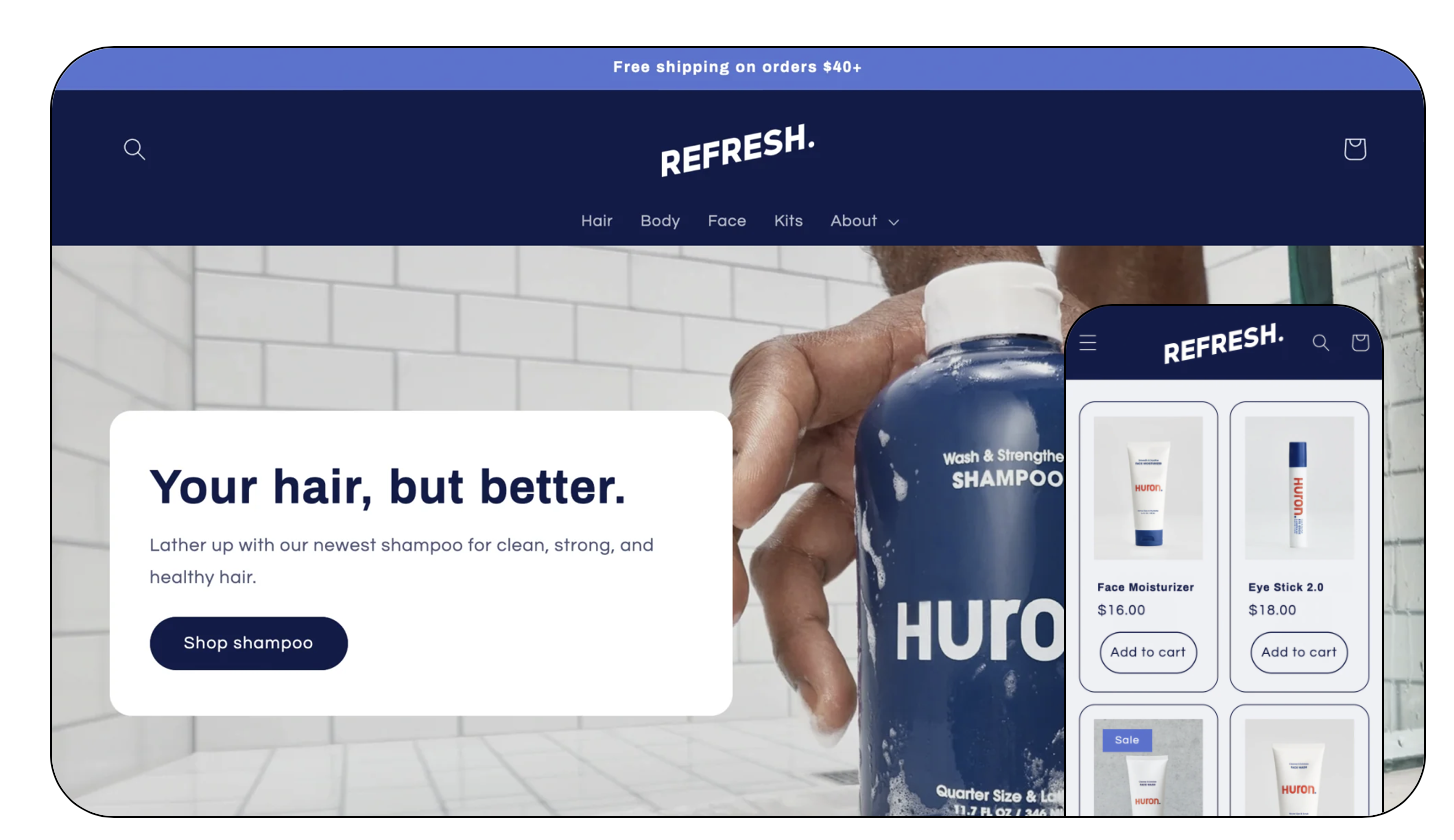
Given the increasing use of mobile devices for online shopping, ensuring your Shopify store is mobile-responsive is no longer optional—it’s critical. A mobile-responsive design automatically adjusts your website’s layout to fit the screen size of the device being used, providing a seamless experience for mobile visitors. As of 2025, Google’s mobile-first indexing is fully implemented and serves as the standard for all websites, meaning Google predominantly uses the mobile version of your content for indexing and ranking. Consequently, a site that performs well on mobile devices stands a better chance of ranking higher on Google search results.
Focus on optimizing loading times, as slow websites can lead to higher bounce rates and lower rankings. Compress images and use Shopify’s built-in mobile-friendly themes to achieve faster loading times. Also, consider the user’s experience: ensure that text is easily readable without zooming, links and buttons are adequately spaced to prevent accidental clicks, and navigation is straightforward even on smaller screens. Simplifying the checkout process for mobile users can further improve user experience and potentially increase your store’s conversion rates.
By prioritizing these elements—your store’s structure and mobile responsiveness—you set a strong foundation for your Shopify store’s success in Google search rankings. Implementing these strategies effectively can significantly enhance your store’s visibility and user experience, ultimately contributing to greater online traffic and sales.
Keyword Research for Shopify
Keyword research remains a cornerstone of SEO strategy, especially for new Shopify stores aiming for visibility on Google. It involves identifying the words and phrases potential customers use in search queries related to your products or services. The right keywords can bridge the gap between your Shopify store and users looking for what you have to offer, directly influencing your store’s online visibility and traffic.
Identifying Target Keywords
To begin, focus on finding the target keywords that are most relevant to your Shopify store’s products and customer base. These should not only match what you sell but also align with the search intent of your potential customers. Broad terms might bring in traffic but may not lead to conversions, while specific long-tail keywords, which are phrases typically longer than three words, can drive more targeted traffic that is more likely to convert into sales.
Start by brainstorming a list of basic keywords related to your products or niche. Consider the terms your customers might use to find products like yours. Don’t overlook the power of local keywords if your Shopify store targets customers in a specific geographical area. For example, incorporating the name of your city or region can attract local shoppers.
After assembling your basic list, expand it by considering variations and longer queries that potential customers might use. Think about the questions they might have about your products and how they would phrase them in a search. This approach helps you tap into specific search queries, directly connecting your Shopify store with prospective customers actively seeking what you offer.
Tools for Effective Keyword Research
Leveraging the right tools is crucial for effective keyword research. These tools not only help identify potential keywords but also provide insights into their search volume, competition level, and relevance to your target audience. Some highly recommended tools for Shopify store owners include:
- Google Keyword Planner: A free tool that offers insights into keyword search volume and competition. It’s particularly useful for spotting high-volume keywords relevant to your products.
- SEMrush: This offers a comprehensive suite of SEO tools, including detailed keyword research, competitor analysis, and more. SEMrush gives you the ability to see which keywords your competitors are ranking for, thus revealing potentially valuable insights into your own keyword strategy.
- SEO Formulas: A powerful tool that helps you identify keywords to rank for. Includes competitor analysis and content plans.
Using these tools, you’ll refine your initial list into a targeted selection of keywords optimized for both search volume and relevancy. Remember to prioritize keywords that closely match your products and have a tangible connection to your potential customers’ search intent. By strategically incorporating these keywords into your Shopify store’s content, product descriptions, meta tags, and URLs, you’ll enhance your site’s visibility on Google, driving more organic traffic and fostering a stronger online presence for your new shop.
On-Page SEO Tactics
In the competitive realm of online retail, optimizing your Shopify store’s on-page SEO is a crucial step towards ensuring your site ranks well in Google searches. This section delves into practical on-page SEO tactics that enhance your store’s visibility and drive more organic traffic directly to your products.
Crafting High-Quality Product Descriptions
Start by focusing on your product descriptions. These are not just essential for informing potential customers about your products but also serve as a key SEO element. Incorporate target keywords naturally within the copy to align with search queries your prospective buyers might use. Keep descriptions unique and avoid manufacturer’s generic text to stand out both to customers and search engines. Engaging, well-written product descriptions that include terms like specifications, benefits, and features, cater to both the user’s needs and Google’s ranking algorithms.
Optimizing Product Images and ALT Text
Images play a significant role in user engagement and SEO on your Shopify store. Optimize product images by compressing file sizes without sacrificing quality to ensure fast loading times, crucial for better rankings and user experience. Use descriptive filenames that include relevant keywords instead of generic file names. Additionally, ALT text for each image should be crafted carefully, incorporating keywords to accurately describe the image. This not only helps Google understand the content of the images but also improves accessibility for users who rely on screen readers.
Utilizing Meta Titles and Descriptions
Meta titles and descriptions are fundamental elements of on-page SEO, acting as succinct summaries of your webpage’s content in search results. Each product page and key page on your Shopify store should have unique meta titles and descriptions that include main keywords and encourage clicks. Aim for meta titles between 50-60 characters and meta descriptions around 150-160 characters to ensure they display effectively in search results. A compelling call-to-action in your meta description can significantly improve click-through rates. This optimization not only enhances visibility but also directly impacts the attractiveness of your listings in search results, making potential customers more likely to visit your store.
Technical SEO for Shopify
Technical SEO lays the foundation for your Shopify store to ensure search engines can crawl and index your site efficiently. Following up on integrating targeted keywords and optimizing your on-page elements, it’s time to dive into the technical aspects that can significantly influence your store’s visibility on Google.
Submitting Your Sitemap to Google
Submitting your sitemap to Google is a critical step in helping Google understand and index your Shopify store. A sitemap is a file where you provide information about the pages, videos, and other files on your site and the relationships between them. Shopify automatically generates a sitemap for your store, which includes all your products, product images, pages, and blog posts.
To submit your sitemap to Google, you’ll first need to verify your site with Google Search Console. Follow these steps:
- Verify Your Shopify Store: Navigate to Google Search Console and add your Shopify store as a property. You may choose between different verification methods, but the easiest way is using the HTML tag method. Shopify allows you to add this tag directly to your online store preferences.
-
Submit Your Sitemap: After verification, locate the ‘Sitemaps’ section in Google Search Console and remove any outdated or irrelevant sitemaps if necessary. Then, enter the URL of your Shopify sitemap. This URL is usually in the format of
yourstore.com/sitemap.xml. - Monitor for Errors: Once submitted, keep an eye on Google Search Console for any sitemap errors or issues Google might encounter while indexing your site. Address these promptly to ensure Google can index your pages without hindrance.
By submitting your sitemap, you’re taking an essential step toward enhancing your Shopify store’s discoverability on Google. This process doesn’t just help Google crawl your site more effectively; it also helps to ensure that all your updated pages get indexed quickly, leading to better visibility and potentially higher rankings in search results. Remember, as you add new products or pages, Shopify automatically updates your sitemap, ensuring that your latest content is always ready for indexing by Google.
Building Authority with Backlinks
After optimizing your Shopify store with keyword research, on-page SEO, and ensuring your site structure is up to par, the next crucial step in enhancing your online visibility is building authority through backlinks. Backlinks, or external links pointing to your site, serve as votes of confidence from other websites, signaling to search engines that your content is valuable and trustworthy. This section focuses on two effective strategies to gain high-quality backlinks: guest blogging and partnerships, and leveraging social media.
Guest Blogging and Partnerships
Guest blogging presents a prime opportunity to generate high-quality backlinks to your Shopify store. Start by identifying blogs or websites that align with your niche, have a substantial readership, and hold authority in their domain. Crafting compelling, informative content for these platforms can not only drive direct traffic to your site but also improve your search engine rankings by linking back to your Shopify store.
Developing strategic partnerships is another avenue to explore. Partner with businesses and influencers in your industry for co-authored blog posts, interviews, and collaborative projects. These partnerships often result in shared content that includes backlinks to each other’s sites, thereby muting the competitive edge while boosting SEO strength for both parties. Remember, the key to successful guest blogging and partnerships lies in offering valuable content that engages the host site’s audience.
Leveraging Social Media for Backlinks
While social media links are technically no-follow and do not directly influence search engine rankings, they play a crucial role in amplifying your content and increasing its visibility. Use your social media platforms to share blog posts, product launches, and other relevant content from your Shopify store. Engaging content encourages shares and interactions, which can lead to organic backlink opportunities from bloggers, journalists, and other content creators who discover your store through social media channels.
Additionally, participating in online communities and forums related to your niche can also further your reach. By providing insightful answers and showcasing your expertise, you can include links to your Shopify store when relevant, driving both direct traffic and potential backlinks from external sources who value your contribution. Always ensure that any links you share add value to the conversation and are contextually relevant to avoid being marked as spam.
By focusing on guest blogging, forming strategic partnerships, and effectively leveraging social media, you can build a network of backlinks that not only drives traffic to your Shopify store but also significantly enhances your site’s authority and rankings on Google. This strategy complements the previously discussed SEO tactics, forming a comprehensive approach to making your new Shopify store found on Google.
Content Marketing Strategies
After laying the groundwork with SEO and building your Shopify store’s authority through backlinks, it’s time to dive into content marketing strategies. These approaches will bolster your store’s online presence and draw more organic traffic from Google. Let’s explore how blogging and video content can significantly uplift your visibility on the search engine.
Blogging for E-commerce
Leveraging a blog on your Shopify store serves multiple purposes. Firstly, it allows you to incorporate a variety of keywords, including long-tail keywords, which may not fit naturally into your product pages or homepage. This increases your store’s chances of appearing in a broader range of search queries. Blogs provide valuable information, tips, or entertainment to your audience, keeping them engaged and returning to your site.
Secondly, consistent blogging keeps your website content fresh and updated, a factor that Google’s algorithm considers when ranking websites. By regularly publishing articles related to your products, industry trends, and customer interests, you signal to search engines that your website is an active source of information.
Incorporate internal links in your blog posts to guide visitors to your product pages. This not only improves site navigation but also helps distribute page authority across your website, boosting the SEO performance of individual product pages.
Lastly, blogs are shareable content. When readers share your posts on social media or other websites, it increases your online visibility and can attract backlinks, further enhancing your site’s SEO profile.
Using Video Content to Increase Visibility
Video content is an increasingly powerful tool for improving your Shopify store’s visibility on Google. In 2025, 95% of businesses consider video integral to their marketing strategy, with videos capable of boosting organic traffic by up to 157%. Videos can captivate your audience’s attention more effectively than text and images alone, offering a dynamic way to showcase your products and share your brand story.
First, videos embedded on your product pages or blog posts can significantly increase the amount of time visitors spend on your site. This reduces your bounce rate, an important metric for SEO, as it suggests to Google that your content is valuable and engaging to visitors.
Second, by hosting videos on popular platforms like YouTube and including relevant keywords in the title, description, and tags, you create additional pathways for potential customers to find your store. Since Google owns YouTube, videos often appear prominently in search results, giving your content—and by extension, your Shopify store—greater exposure. With over 55% of online users watching video content daily, the potential audience reach is substantial.
To optimize your video content for search engines, ensure your videos on YouTube link back to your Shopify store in the description. This can drive traffic directly from your videos to your store and increase your site’s backlink profile, boosting your overall SEO strategy.
Embracing these content marketing strategies, blogging, and leveraging video content, complements your existing SEO efforts. By diversifying the ways your store can be found on Google, you not only enhance your visibility but also provide valuable content that engages and retains your audience, setting the stage for increased traffic and sales.
Conclusion
Getting your new Shopify store found on Google in 2025 isn’t just about launching and hoping for the best. It’s about implementing a strategic approach that combines SEO fundamentals with powerful content marketing. By focusing on keyword research, on-page SEO, and securing backlinks, you’re laying the groundwork for search engine success. Don’t overlook the importance of submitting your sitemap to Google for technical SEO gains.
Moreover, embracing blogging and video content not only enriches your site but also captures the attention of your target audience, keeping them engaged and reducing bounce rates. With mobile-first indexing now the standard and the first search result capturing over 27% of clicks, ensuring your store is optimized for mobile devices is more critical than ever. Remember, consistency in applying these strategies is key to climbing the ranks in search results. Start today, and you’ll see your Shopify store gain the visibility it deserves, driving traffic and ultimately, sales.