8 Best Returns Management Apps for Shopify in 2026

· Updated
17 min read
8 Best Returns Management Apps for Shopify in 2026
Table of Contents

TL;DR

The best Shopify returns apps in 2026 are Loop Returns, ReturnGO, AfterShip Returns, Return Prime, ZigZag Global, Outvio, ParcelWILL, and Rich Returns. For most small to mid-sized stores, AfterShip Returns and Return Prime offer the best balance of price and features, while Loop Returns and ReturnGO are stronger for larger brands focused on exchanges and policy control. The right app should not just automate refunds - it should reduce support tickets, protect margin, and turn more returns into exchanges or store credit.

The best returns management apps for Shopify in 2026 are Loop Returns, ReturnGO, AfterShip Returns, Return Prime, ZigZag Global, Outvio, ParcelWILL, and Rich Returns. These apps help Shopify merchants automate return requests, generate labels, push exchanges over refunds, and reduce the support workload that usually comes with post-purchase issues.

As a Shopify app developer, I spend a lot of time looking at where merchants lose margin after the sale. Returns are one of those areas that quietly damage profitability if the process is manual, inconsistent, or too generous. A good returns app does not just tidy up operations - it can protect revenue, improve customer trust, and turn refunds into exchanges or store credit.

If you are researching the 8 Best Returns Management Apps for Shopify, this guide is built to help you compare the leading options quickly and choose the right fit for your store size, order volume, and workflow.

Why do I need a returns management app for Shopify?

A returns management app is the easiest way to automate returns, exchanges, refunds, labels, and policy enforcement in Shopify. If your store handles more than a handful of returns each month, a dedicated app usually saves time and recovers revenue.

Industry return rates vary by category, but ecommerce returns remain a major operational cost. In categories like fashion, sizing and fit can push return rates much higher than the store average. That means even a modest Shopify store can end up spending hours each week on return emails, manual approvals, and refund admin.

In my experience building Shopify apps, merchants often underestimate the hidden cost of returns. It is not only the refunded order value. It is also support time, lost repeat purchase potential, label costs, and inventory delays when returned stock is not processed quickly.

A strong returns app helps by giving customers a self-serve portal, applying rules automatically, and nudging shoppers towards exchanges or store credit instead of cash refunds. If you are already investing in post-purchase revenue tools, it pairs well with the tactics I covered in this guide to the best Shopify upsell apps.

What should I look for in a Shopify returns management app?

The best Shopify returns app should match your return volume, policy complexity, and fulfilment setup. The most important features are a branded portal, exchange workflows, label generation, automation rules, and reporting.

When I compare apps in this category, I usually score them against the same shortlist of criteria:

  • Branded self-serve portal so customers do not need to email support
  • Exchange-first workflows to retain revenue
  • Store credit options for better margin protection
  • Carrier and label integrations for fast processing
  • Automation rules by product, country, order value, or return reason
  • Inventory sync and order creation for replacement items
  • Analytics so you can spot quality or sizing issues
  • Fair pricing that scales with your order volume

If you are on Shopify Plus, you may also care about deeper checkout and operations workflows. For that, it is worth reading these Shopify checkout extension apps alongside your returns stack.

Which are the best returns management apps for Shopify in 2026?

The best returns management apps for Shopify in 2026 are the ones that combine reliable automation, strong reviews, and clear exchange workflows. For most merchants, the shortlist starts with Loop Returns, ReturnGO, AfterShip Returns, and Return Prime.

I have included a quick comparison first, then a more detailed breakdown of each app below.

App Starting price Free plan or trial Rating Best for Key strengths
Loop Returns From $155/month Limited free options 4.7 stars with roughly 399-413 reviews Enterprise and exchange-heavy brands Advanced exchanges, branded portal, strong automation
ReturnGO $23-$121/month 14-day trial 4.9 stars with roughly 363-365 reviews Flexible rules and sustainability-focused stores Custom rules, store credit, discounts, branded portal
AfterShip Returns From $9/month Free plan available 4.7 stars with roughly 1,240 reviews Budget-conscious and high-volume stores Huge review count, label automation, broad merchant fit
Return Prime From $19.99/month Yes - limited free tier 4.8 stars with roughly 678 reviews Small to mid-sized stores Easy setup, exchanges, refunds, WMS and logistics support
ZigZag Global Custom No standard self-serve pricing Top-rated in industry roundups Carrier-heavy and international returns Competitive labels, branded portal, strong logistics focus
Outvio Custom No Strong reputation Operations teams needing all-in-one fulfilment Returns, shipping, tracking, analytics in one platform
ParcelWILL Free Yes 4.9 stars with roughly 418 reviews Profit-focused stores Revenue retention, accessible pricing, Shopify-friendly
Rich Returns From $19/month Yes Strong merchant feedback Custom branded portals Simple setup, Shopify sync, exchange support

How did I choose these returns apps?

I chose these apps based on review volume, average rating, pricing accessibility, feature depth, and how often they are recommended across current 2026 roundups. I also weighted practical merchant needs more heavily than feature lists alone.

That means I looked for tools that can actually reduce support tickets, encourage exchanges, and fit real Shopify workflows. In practice, an app with fewer flashy features but better automation and clearer pricing is often the better choice.

1. Is Loop Returns the best returns app for larger Shopify stores?

Loop Returns is one of the best returns apps for larger Shopify brands that want to prioritise exchanges over refunds. It is especially strong if your return process needs to be tightly controlled and heavily automated.

Loop returns app

Loop Returns & Exchanges icon

Loop Returns & Exchanges has built a strong reputation with scaling brands and enterprise merchants. Its standout strength is the way it turns returns into new purchases, variant swaps, or store credit rather than defaulting to a refund.

When I assess apps for higher-volume merchants, I look for control. Loop gives you that with approval logic, branded customer flows, label support, and exchange options that feel polished rather than bolted on. It is also one of the most commonly recommended tools in this category, which matters when you want something battle-tested.

  • Best for: Established brands, Shopify Plus stores, exchange-led return strategies
  • Starting price: From $155/month
  • Rating: Around 4.7 stars
  • Key features: Branded portal, store credit, advanced exchanges, label generation, automation

My take: Best for enterprise and fast-growing stores, but probably overkill if you are only processing a small number of returns each month.

2. Is AfterShip Returns the best value returns app for Shopify?

AfterShip Returns is one of the best-value options for Shopify merchants because it combines a low starting price with a very large review base. It is a practical choice if you want reliable returns automation without enterprise pricing.

AfterShip Returns Management app

AfterShip Returns Center icon

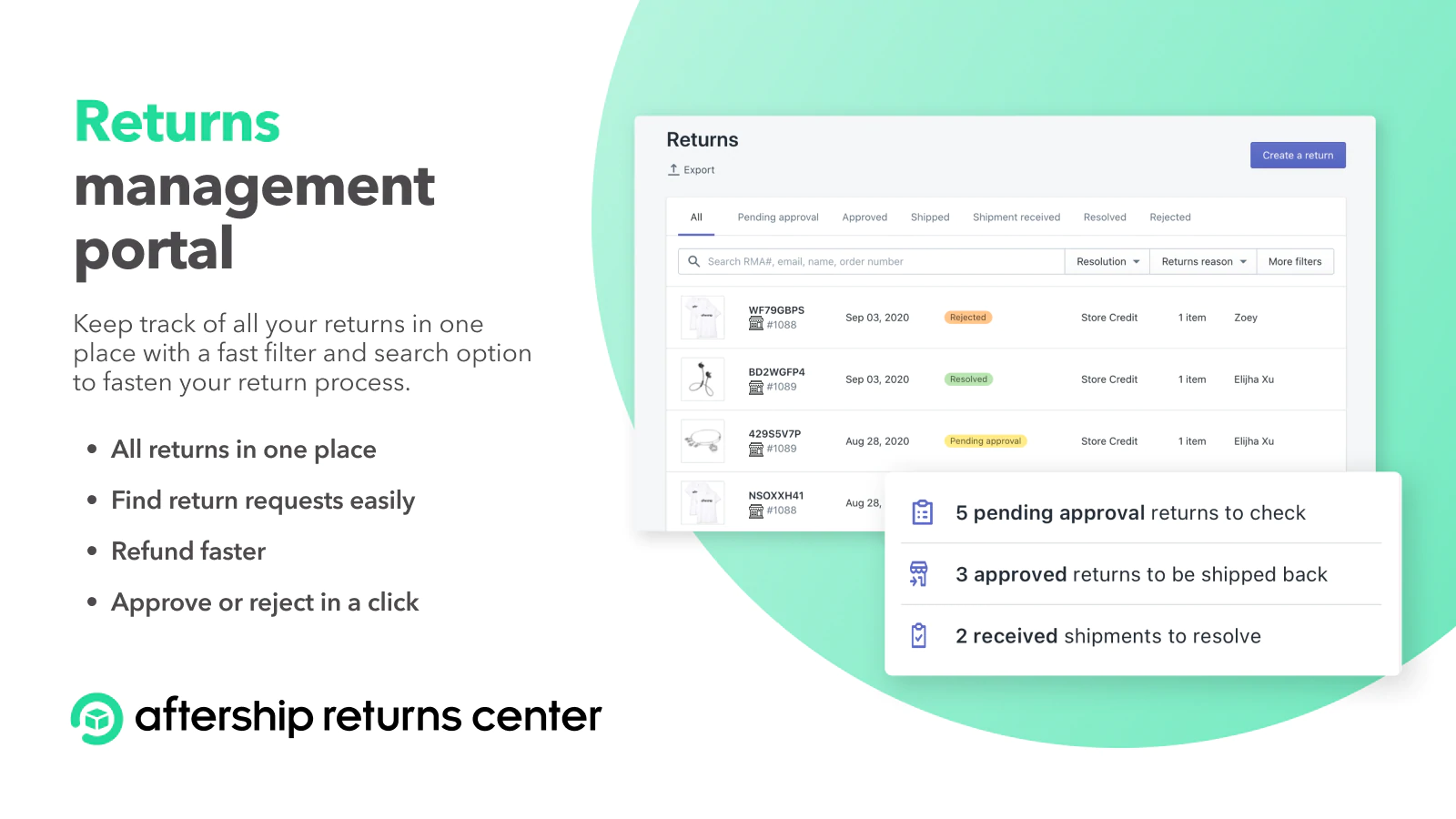
AfterShip Returns Center is often the app I mention first to merchants who want a safer, lower-cost starting point. Its 4.7-star rating and roughly 1,240 reviews make it one of the most validated apps in this space.

The app covers the basics well: branded returns portal, automated labels, notifications, exchange options, and return rules. That breadth matters for smaller teams because you can launch something credible quickly, then refine policies later as return volume grows.

  • Best for: Small to mid-sized stores, budget-conscious merchants, higher review confidence
  • Starting price: From $9/month
  • Free plan: Yes
  • Key features: Return rules, labels, notifications, exchange nudges, branded portal

My take: Best all-rounder for most stores if price and ease of adoption matter more than deep enterprise customisation.

3. Is ReturnGO the best Shopify returns app for flexible policies?

ReturnGO is one of the best Shopify returns apps if you need highly flexible rules and a strong exchange-first setup. It is a particularly good fit for merchants that want more control without jumping straight to enterprise pricing.

returngo app

Return & Exchange Portal by ReturnGO consistently appears in top return app lists, and for good reason. It combines a 4.9-star rating, a healthy review count, and a feature set that helps merchants shape return outcomes rather than simply process them.

I like ReturnGO for stores with more nuanced policies. If you need different logic by product type, return reason, geography, or refund method, it gives you room to build that. It also leans into store credit, discount incentives, and AI-powered recommendations to retain revenue.

  • Best for: Policy-heavy stores, sustainability-minded brands, exchange-first workflows
  • Starting price: $23-$121/month
  • Trial: 14-day trial
  • Key features: Branded portal, unlimited policy rules, labels, exchanges, store credit

My take: Best for flexible policy control and a very strong option for merchants that want to optimise return outcomes rather than just automate them.

4. Is Return Prime the best returns app for small Shopify stores?

Return Prime is one of the best returns apps for small and growing Shopify stores because it is accessible, well-reviewed, and relatively easy to set up. It covers the features most merchants actually need without feeling too complex.

return prime app

Return Prime icon

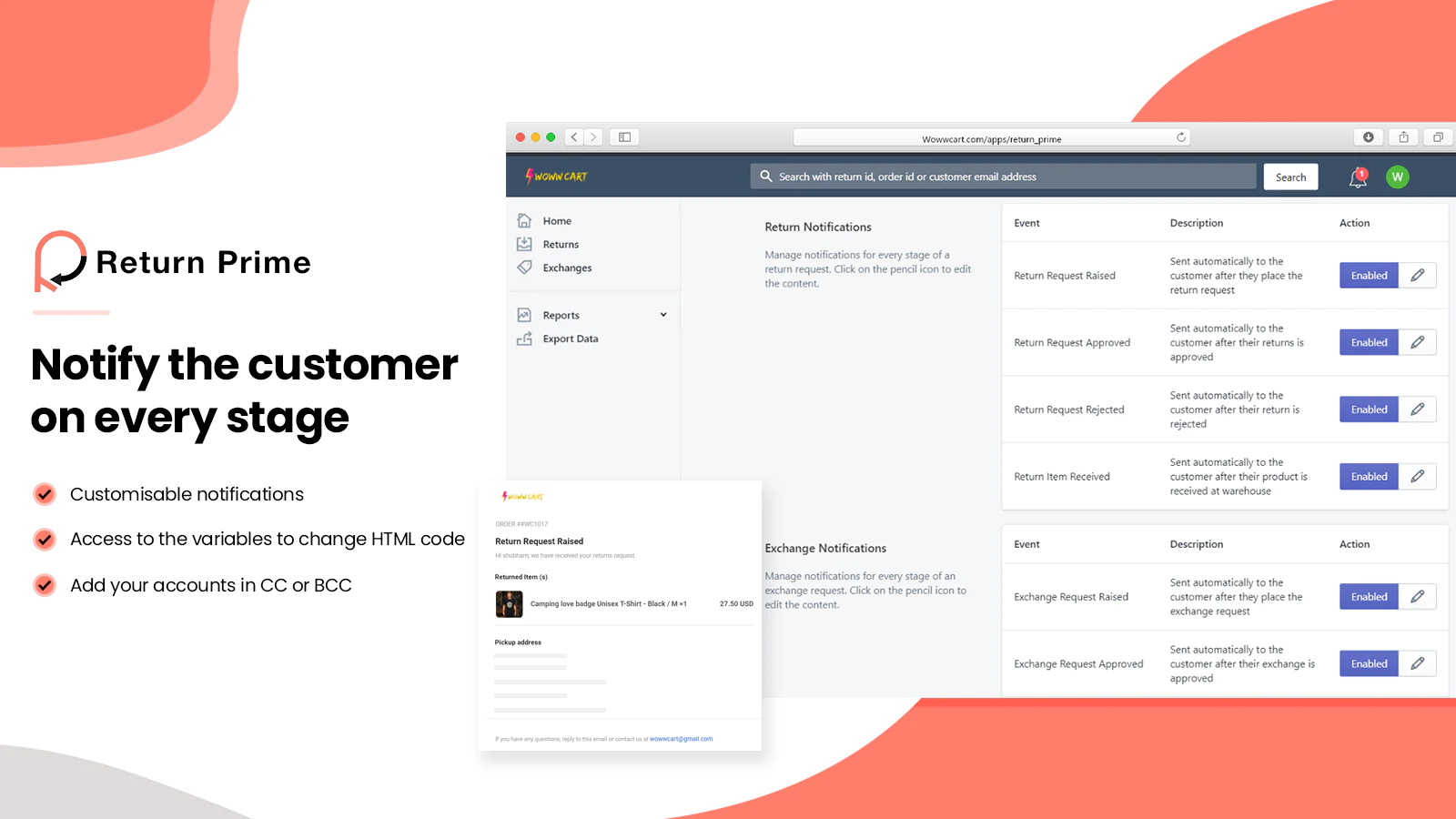
Return Prime: Order Return has become a very credible option in this category. With around 4.8 stars from roughly 678 reviews, it has the kind of merchant validation I like to see before recommending an app to a wide range of stores.

Its feature set includes RMA automation, direct refunds, label generation, and logistics integrations. For founders who are still building out their operations stack, that is often enough to remove most manual return admin without needing a dedicated ops team.

  • Best for: Small stores, DTC brands, merchants needing quick setup
  • Starting price: From $19.99/month
  • Free option: Yes - limited free tier
  • Key features: Exchanges, refunds, labels, logistics integrations, customisable customer journey

My take: Best for small stores and growing brands that want a balance between affordability and capability.

5. Is ZigZag Global worth considering for international returns?

ZigZag Global is worth considering if your returns process is heavily shaped by carriers, international shipping, and label costs. It is more logistics-focused than some of the app-first alternatives.

ZigZag appears frequently in expert roundups because of its strength in carrier relationships, competitive labels, and international returns operations. If you sell across multiple markets and need a stronger shipping layer around returns, that can be a real advantage.

This is not the app I would suggest for every small Shopify merchant, mostly because pricing tends to be custom and the product is aimed at more operationally mature brands. But for larger stores with cross-border volume, it is a serious option.

  • Best for: International brands, carrier-heavy operations, larger return programmes
  • Starting price: Custom
  • Key features: Branded returns, carrier network, label optimisation, international support

My take: Best for logistics complexity, not necessarily the simplest option for smaller merchants.

6. Is Outvio a good all-in-one platform for returns and fulfilment?

Outvio is a good choice if you want returns management bundled into a broader post-purchase and fulfilment platform. It is more than a returns tool, which can be a strength or a downside depending on your needs.

Outvio is often recommended for merchants that want to unify shipping, tracking, returns, and analytics in one system. In some operations, that reduces app sprawl and gives the team one central workflow to manage.

In my experience, all-in-one tools work best when your team is already feeling friction across multiple post-purchase steps, not just returns. If returns are your only problem, a more focused app may be cheaper and easier to implement.

  • Best for: Ops teams, fulfilment-heavy brands, merchants reducing tool fragmentation
  • Starting price: Custom
  • Key features: Returns, shipping, tracking, analytics, unified operations

My take: Best for operations-led merchants who want one platform for more than returns.

7. Is ParcelWILL the best free returns app for Shopify?

ParcelWILL is one of the most interesting options if you want a low-cost or free entry point into returns management. It stands out for merchants focused on profit retention rather than just workflow automation.

Based on current research, ParcelWILL offers a free plan and holds a strong 4.9-star rating with roughly 418 reviews. That combination is unusual in this category, where many apps become expensive quite quickly as return volume increases.

What makes it notable is the emphasis on revenue retention. If your margin is tight, a returns app should not only process requests cleanly. It should also help you avoid unnecessary refunds and recover value where possible.

  • Best for: Budget-conscious stores, margin-sensitive merchants, early-stage brands
  • Starting price: Free
  • Key features: Revenue protection, accessible setup, Shopify-friendly workflows

My take: Best free option to shortlist if cost is the main decision factor.

8. Is Rich Returns still a strong option for branded return portals?

Rich Returns is still a strong option if your priority is a clean branded portal and a straightforward return experience. It is not the loudest name in the category, but it remains a solid contender.

rich returns app

Rich Returns icon

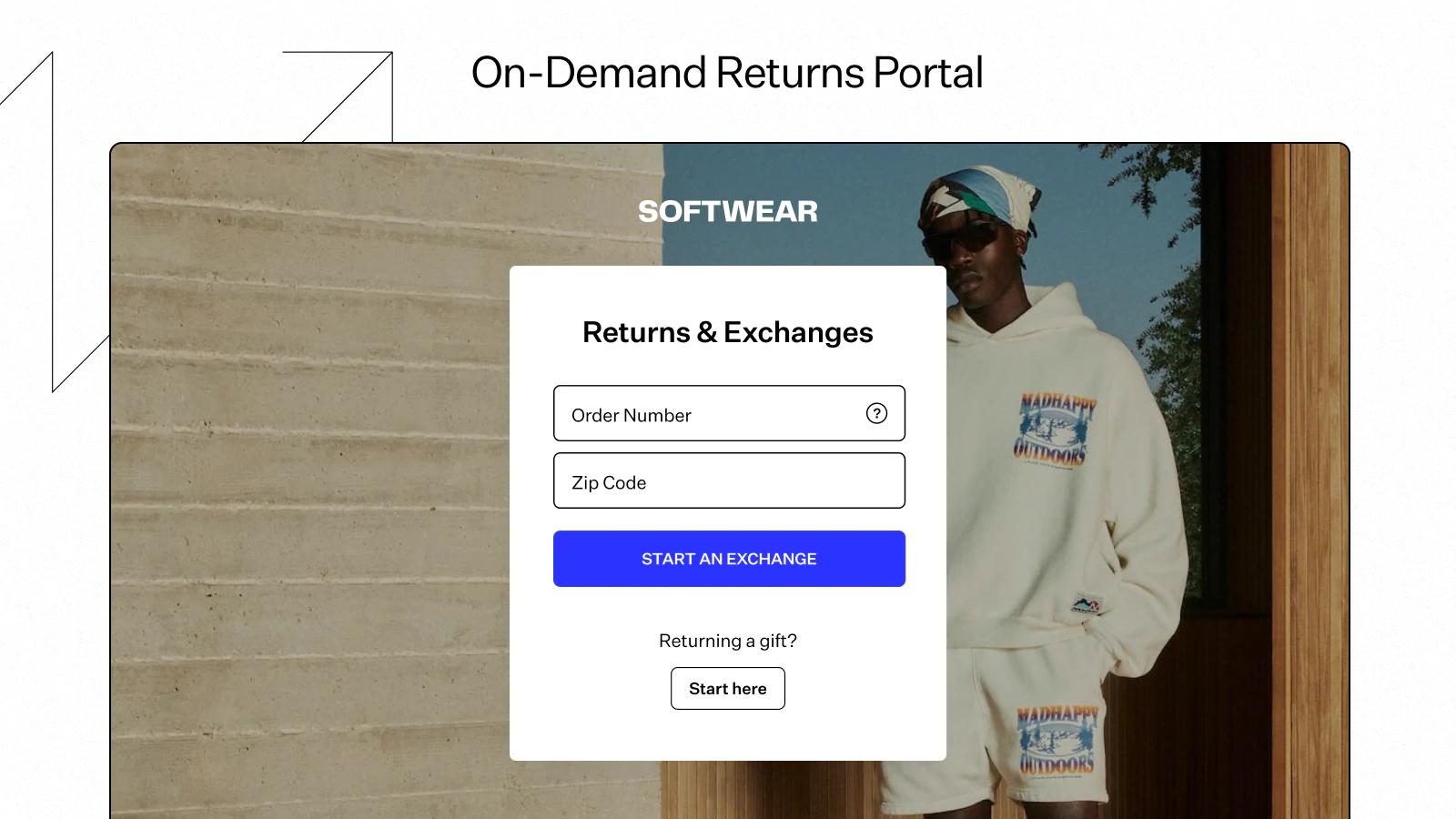
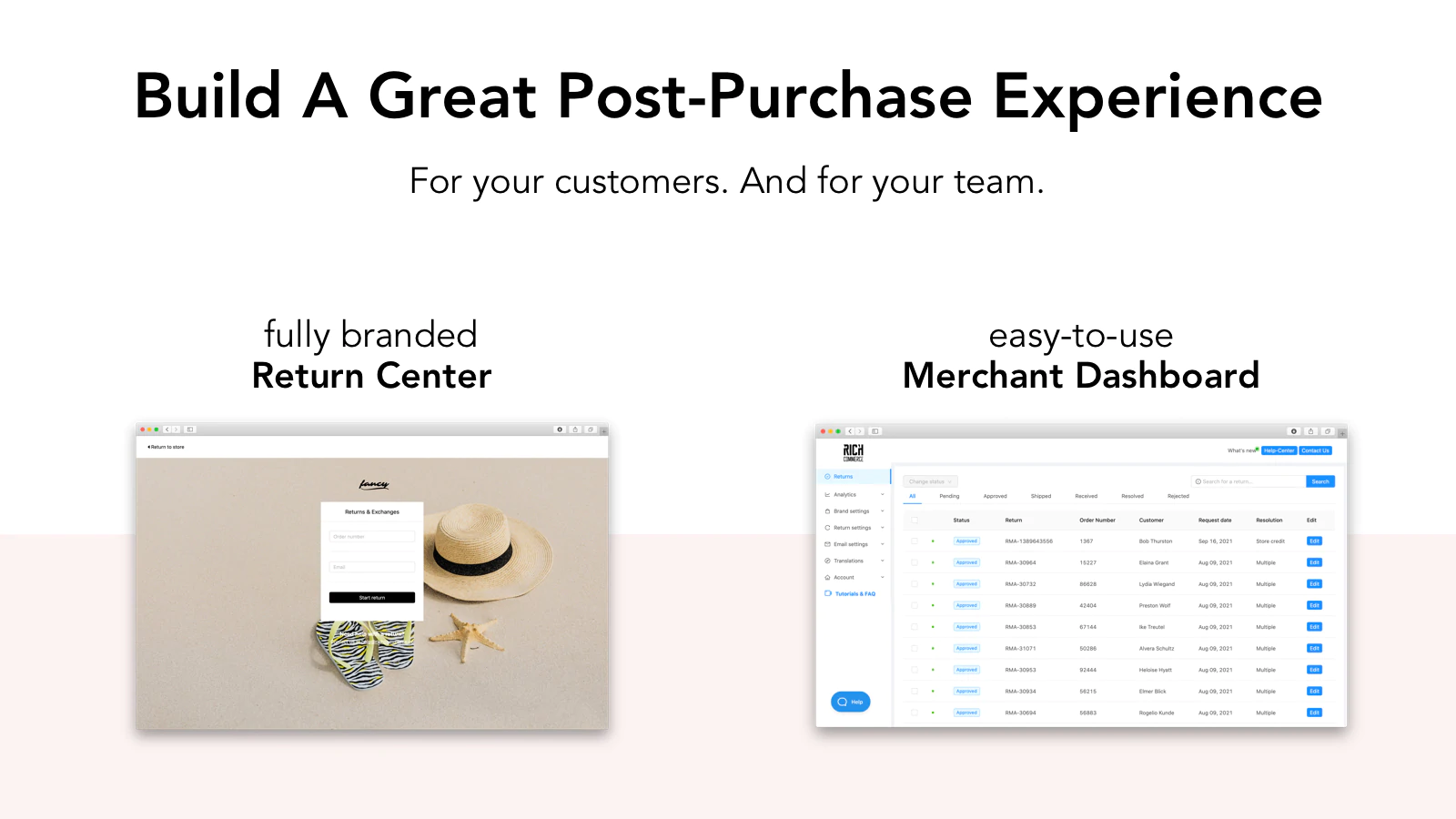
Rich Returns focuses on the essentials that matter to most merchants: branded self-service, centralised return management, and exchange support. That makes it appealing for stores that want a polished customer-facing experience without an overly complex implementation.

I would place Rich Returns in the dependable middle ground. It may not be the most advanced enterprise platform, but it is often a sensible choice for stores wanting to upgrade from manual returns and keep the process customer-friendly.

  • Best for: Branded experiences, mid-sized stores, straightforward implementation
  • Starting price: From $19/month
  • Free option: Yes
  • Key features: Branded portal, dashboard, exchanges, Shopify sync

My take: Best for branded simplicity if you want a focused returns tool without enterprise-level complexity.

What about the apps from the original list that still matter?

Some apps from the original version of this article are still worth mentioning, but they no longer make my top eight based on current 2026 consensus. That is mainly because the market has become more competitive and a few newer or better-supported options now rank higher across review and feature comparisons.

Sorted returns management app

Sorted Returns Center was previously included for its simple self-serve portal and automatic order creation. It still represents the type of workflow many merchants want, but it is not as consistently recommended in current top comparisons.

easyReturns icon

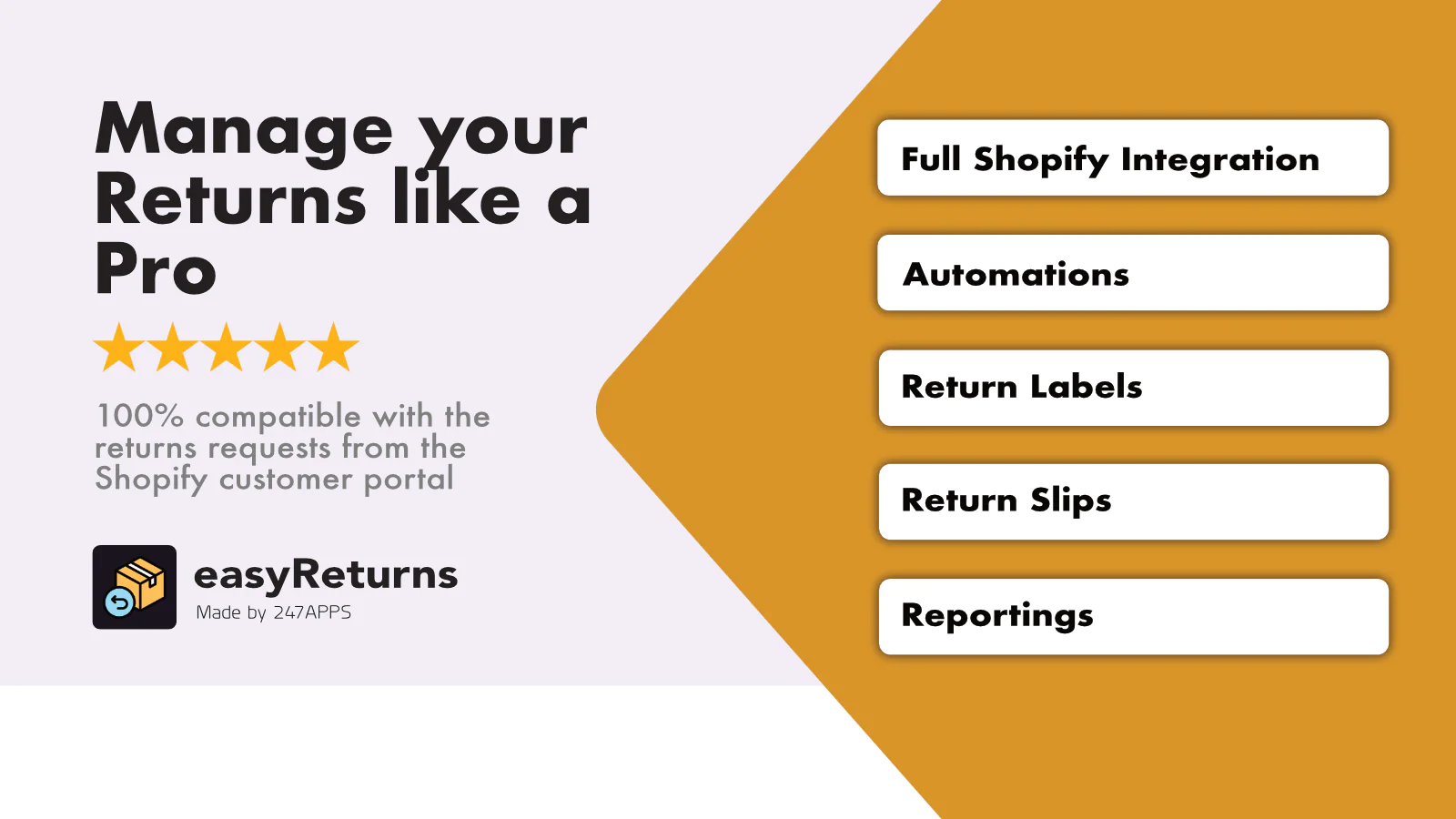
Order Returns | easyReturns is still a relevant option if you specifically want return labels and slips for carriers like DHL, GLS, and DPD. For merchants in those ecosystems, it can still be a good fit.

return rabbit app

Return Rabbit previously stood out for smart instant exchanges and automated RMAs. It is still useful context, but based on the latest data, I would prioritise the eight apps above before considering it.

Which Shopify returns app is best for your store size?

The best returns app depends heavily on your store size and operational complexity. Small stores usually need affordability and ease of setup, while larger brands need policy control, exchange optimisation, and carrier depth.

Store type Best app choices Why
New or small Shopify store AfterShip Returns, Return Prime, ParcelWILL Lower cost, easier setup, enough automation for modest return volume
Growing DTC brand ReturnGO, Rich Returns, Return Prime Good balance of branding, exchange support, and policy flexibility
High-volume or Shopify Plus brand Loop Returns, ZigZag Global, Outvio Better for advanced logic, logistics, and operational scale
International or carrier-complex setup ZigZag Global, Outvio Stronger logistics and cross-border support

How can I reduce refunds and increase exchanges?

You can reduce refunds by making exchanges and store credit more attractive than cash refunds. The best returns apps do this by design, using incentives, product suggestions, and simpler exchange flows.

In my experience, merchants often focus too much on processing returns faster and not enough on influencing the outcome. A few practical tactics usually make a measurable difference:

  1. Offer store credit with a bonus, such as an extra 5 to 10 percent.
  2. Prioritise exchanges in the portal before refund options appear.
  3. Use return reason data to fix sizing, product copy, or imagery issues.
  4. Add recommendation logic for better-fit alternatives.
  5. Make your policy clear pre-purchase so returns are less emotional and more procedural.

This is where returns strategy overlaps with conversion optimisation. If customers are buying the wrong item in the first place, the fix is not just a better return portal. It is also better product guidance, bundles, and merchandising. For example, quiz-led product matching can reduce poor-fit purchases, which is why I also recommend reading these Shopify quiz apps for stores with complex product selection.

How do returns apps affect customer support workload?

Returns apps can significantly reduce customer support tickets by moving repetitive requests into a self-serve workflow. That is one of their biggest operational benefits.

Without a returns app, support teams end up answering the same questions repeatedly: can I return this, where is my label, when will I get my refund, can I exchange for another size. A branded portal with status notifications removes a large chunk of that repetitive work.

If support volume is already a pain point in your store, your returns app should be part of a wider support stack. I covered that in more detail in these customer service apps for Shopify.

Should I choose a free returns app or a paid one?

A free returns app is fine for low-volume stores, but paid apps usually become worth it once returns are frequent enough to consume support time or margin. The right question is not whether you can avoid paying, but whether the app saves more than it costs.

If your store handles only a few returns each month, a free or entry-level plan from AfterShip Returns, Return Prime, or ParcelWILL may be enough. But once you need more control over exchange logic, labels, or policy rules, paid plans often pay for themselves quickly.

I see the same pattern in other Shopify app categories too. Merchants often start with a free tool, then upgrade once they can clearly see the operational bottleneck. It is similar to how stores outgrow basic promotional tools and move to dedicated options like the ones in this guide to Shopify countdown timer apps.

What is my final verdict on the best returns management apps for Shopify?

The best returns management app for Shopify depends on your size and priorities, but the safest shortlists are clear. For most stores, AfterShip Returns, Return Prime, ReturnGO, and Loop Returns are the strongest places to start.

If I were choosing today for a smaller store, I would shortlist AfterShip Returns and Return Prime first because they offer the best balance of price, reviews, and usability. For a more established brand focused on exchange optimisation, I would look at Loop Returns and ReturnGO. If logistics complexity is the real problem, ZigZag Global and Outvio deserve a closer look.

The bigger point is this: returns are no longer just an admin task. They are part of your retention strategy, margin strategy, and customer experience. Choose the app that helps you keep revenue, not just process refunds faster.

Leveraging AI

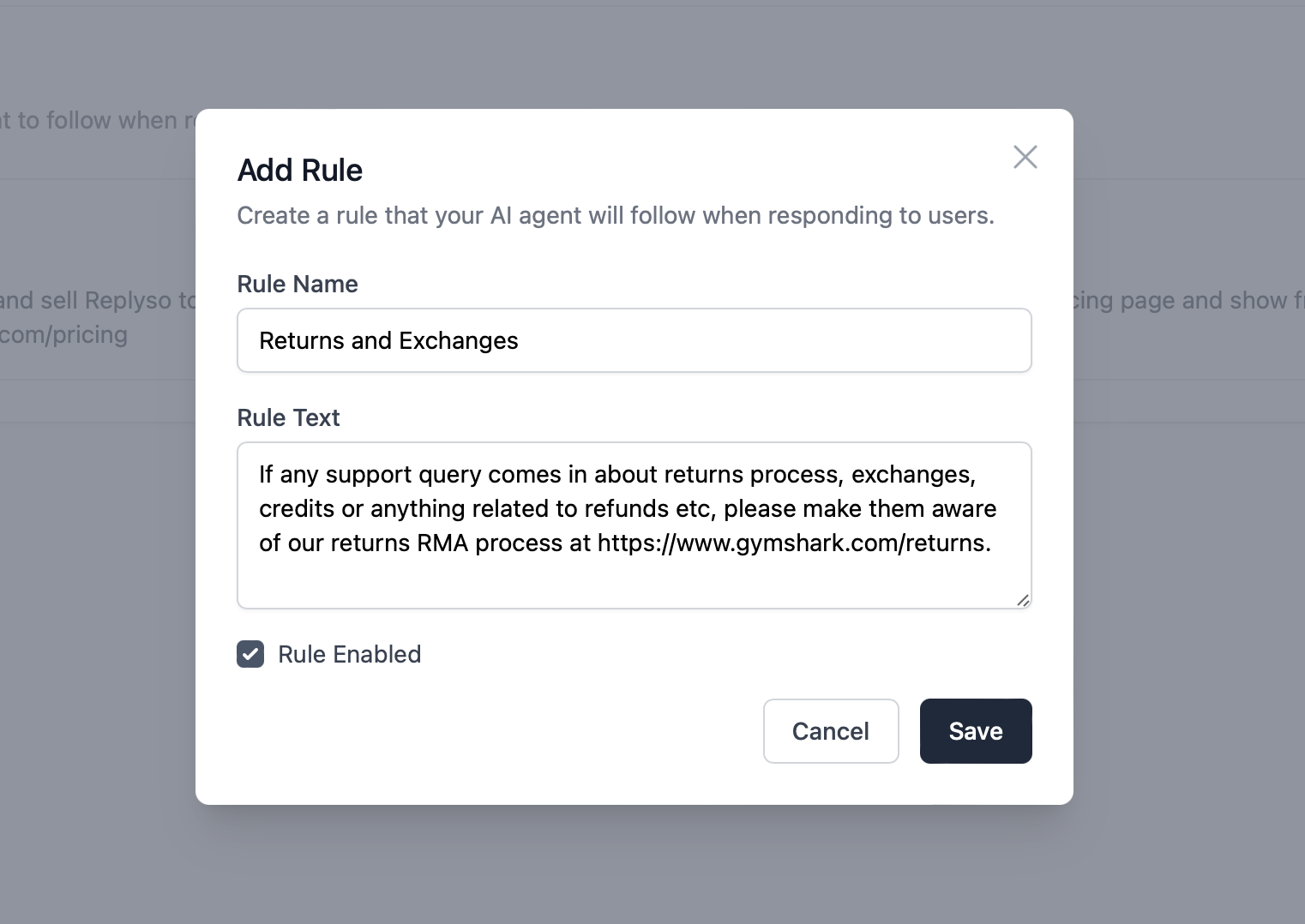
AI can make your returns process easier to use by helping customers find the right self-service path before they contact support. The best use of AI here is not replacing your returns app, but helping customers reach it faster and with less friction.

While implementing a robust returns management app is essential for streamlining your post-purchase experience, the real challenge lies in guiding customers to actually use these self-service portals effectively. This is where AI-powered customer support becomes invaluable. An intelligent chatbot can proactively engage customers who may be considering a return, instantly directing them to your returns portal while answering common questions about policies, timelines, and processes.

In my experience, this works best when the chatbot is trained on your actual return policy and can recognise intent quickly. If someone types "where is my refund" or "I need a different size", the best outcome is not a long support thread. It is an immediate handoff to the correct returns workflow.

For merchants exploring AI more broadly, Shopify has also been expanding its own ecosystem around automation and merchant tooling through Shopify Magic and Shopify Help Centre documentation. Used properly, AI can reduce support load while improving the customer experience after purchase.

Share this article

Related Articles