
Chargebacks in Shopify are one of those problems most merchants only take seriously after losing money to one. A customer disputes a payment, the bank pulls the funds, and you are left scrambling to prove the order was legitimate.
In my experience building Shopify apps and working with merchants across support, upsells, reviews, and checkout flows, chargebacks are rarely caused by one single issue. They usually come from a mix of fraud risk, unclear communication, shipping friction, and sometimes plain old friendly fraud where a real customer claims they did not authorise a purchase they actually made.
The good news is that most Shopify stores can reduce chargebacks significantly with the right setup. If you use Shopify's built-in prevention guidance, tighten your checkout and fulfilment process, and add specialist tools where needed, it is realistic to cut dispute volume sharply before it becomes a margin problem.
This guide explains what chargebacks are, why they happen on Shopify, how to prevent them, and what to do when you get one. I have also included the current Shopify-specific tools merchants should know about, including Shopify Protect, Fraud Protect, and dispute automation apps.
What are chargebacks in Shopify?
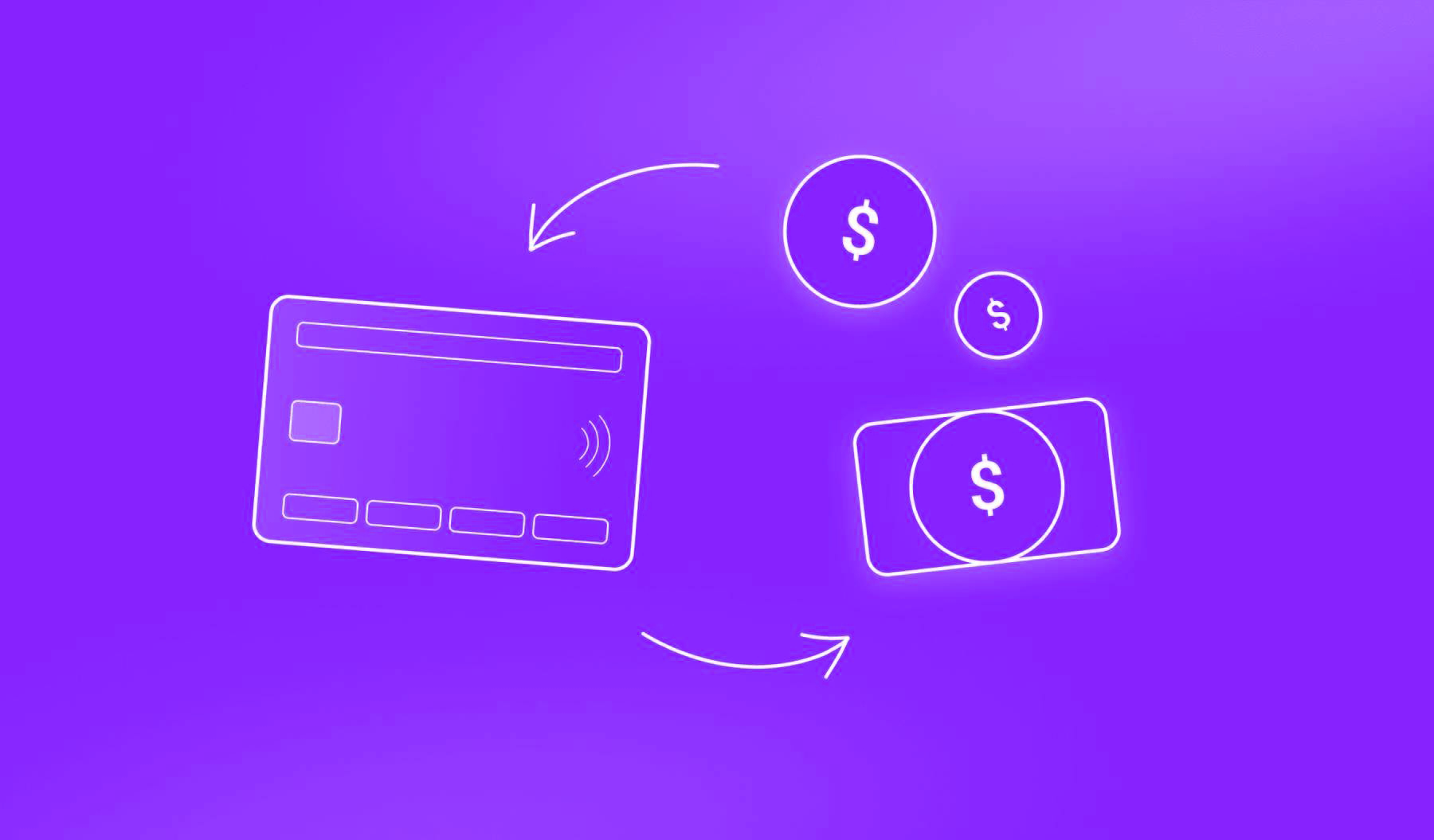
A Shopify chargeback is a payment dispute raised by a cardholder through their bank, not through your store. If the bank accepts the dispute, the transaction amount is reversed and a fee may also be charged to the merchant.
This is different from a normal refund. A refund is handled directly between you and the customer. A chargeback brings in the issuing bank and card network, which makes it slower, more expensive, and much harder to control.
If you use Shopify Payments chargeback tools, disputes appear in your Shopify admin. The disputed amount is typically deducted from your next available payout while the case is reviewed. If you win, the funds are returned. If you lose, the customer keeps the money and you usually lose the goods as well.
That is why chargebacks hurt more than refunds. You are not just giving back revenue. You are often losing product cost, shipping cost, processing time, and potentially a chargeback fee too.
Why do chargebacks happen on Shopify stores?
Chargebacks on Shopify usually happen because of fraud, unrecognised transactions, delivery disputes, product dissatisfaction, or billing errors. The most common pattern I see is not criminal fraud but preventable confusion that turns into a bank dispute.
Shopify itself breaks disputes into categories such as fraudulent, unrecognised, subscription-related, product not received, product unacceptable, and duplicate or incorrect charges. Those categories matter because your prevention tactics should match the reason code.
What are the most common chargeback reasons?
The most common chargeback reasons are fraudulent transactions, unrecognised billing descriptors, item not received, and product not as described. Each one needs a slightly different fix.
-
Fraudulent transaction
Someone claims they did not authorise the purchase. Sometimes the card was genuinely stolen. Sometimes it is friendly fraud. -
Unrecognised transaction
The customer does not recognise your business name on their statement. This is more common than many merchants realise. -
Item not received
The parcel is delayed, tracking is unclear, or the customer says it never arrived. -
Product unacceptable or not as described
The item differs from the product page, arrives damaged, or the customer expected something else. -
Duplicate or incorrect charge
The customer was billed twice, billed the wrong amount, or there was a checkout/payment processing issue. -
Subscription cancellation disputes
The customer says they cancelled and still got charged, or they did not understand recurring billing.
In practice, friendly fraud is a huge share of disputes in ecommerce. Industry research often puts it at the majority of cases, and that matches what many merchants report. A customer might forget a purchase, not recognise the billing name, or bypass your support team because calling the bank feels faster.
How much do chargebacks cost a Shopify store?
Chargebacks cost more than the order value. The real cost includes lost revenue, lost stock, fulfilment costs, shipping, admin time, and dispute fees.
Recent industry estimates suggest chargebacks cost ecommerce businesses billions globally each year, and merchants can lose several pounds or dollars in total cost for every pound or dollar of fraud. Even a small store can feel the impact quickly if a few high-value orders are disputed in the same month.
What is the financial impact of chargebacks?
The financial impact of chargebacks includes both direct and indirect losses. Direct losses are easy to see, while indirect losses often do more damage over time.
- Lost sale revenue from the disputed order
- Lost inventory if the product has already shipped and is not recoverable
- Chargeback fees, which vary by provider and region
- Operational time spent gathering evidence and managing disputes
- Higher payment risk if your dispute rate climbs too high
- Cash flow pressure when disputed funds are removed from payouts
Shopify notes that chargebacks and inquiries can affect your payouts and your standing with payment partners. If your dispute rate rises too far, you can end up in card network monitoring programmes, which is where this stops being a minor admin task and becomes a serious business risk.
Can chargebacks affect your payment processing?
Yes, a high chargeback rate can affect your relationship with payment processors and card networks. Too many disputes can lead to monitoring, higher scrutiny, reserve requirements, or restrictions.
For growing stores, this matters a lot. One of the hidden problems with chargebacks is that they can create the same kind of cash flow disruption merchants see when payouts are delayed. If you are already dealing with payout issues, my guide on how to resolve Shopify payouts on hold is worth reading alongside this one.
What is the best way to prevent chargebacks on Shopify?
The best way to prevent chargebacks on Shopify is to combine fraud screening, clear communication, reliable fulfilment, and fast customer support. No single app or setting solves the whole problem.
In my experience, merchants get the best results when they treat chargeback prevention as an operational system. That means checking risky orders before fulfilment, making billing descriptors recognisable, setting accurate delivery expectations, and giving customers an easy path to refunds or support before they contact their bank.
How do I use Shopify's built-in fraud tools?
Shopify's built-in fraud tools are the first thing I would configure before installing any third-party app. They help you identify risky orders and create rules around fulfilment decisions.
Shopify fraud analysis reviews signals such as AVS mismatches, CVV issues, IP address anomalies, and other risk indicators. If an order is flagged as medium or high risk, do not blindly fulfil it just because the payment cleared.
If you use Shopify Flow, you can automate sensible actions such as:
- Tagging high-risk orders for manual review
- Holding fulfilment until staff approval
- Cancelling clearly fraudulent orders
- Alerting your team in Slack or email
This is one of the simplest wins for larger stores. I have seen merchants reduce preventable fraud just by forcing a human review on suspicious orders instead of auto-fulfilling everything.
Should you use Shopify Protect or Fraud Protect?
Shopify Protect and Fraud Protect can materially reduce fraud-related losses, but they are not the same product. The right one depends on your eligibility, geography, and order profile.
Shopify Protect is designed for eligible US merchants using Shopify Payments and Shop Pay on qualifying physical goods orders. When an order is protected and you meet the fulfilment conditions, Shopify covers fraud chargebacks, including the order amount and fee, if the dispute qualifies.
Fraud Protect for Shopify Payments uses Shopify's risk models to classify orders as protected or not protected. For protected orders, Shopify handles covered fraudulent chargebacks and reimbursements, though there is a fee attached to protected orders.
My view is simple: if you are eligible and your store attracts fraud, these tools are worth evaluating immediately. They do not prevent every dispute type, but they can dramatically reduce exposure to card-not-present fraud.

How important is your billing descriptor?
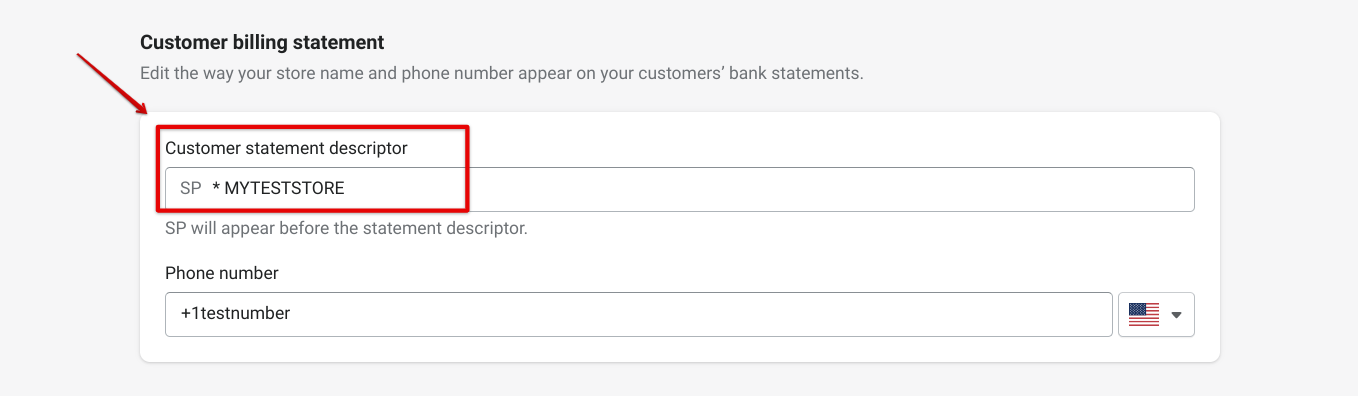
Your billing descriptor is extremely important because many disputes happen when customers do not recognise the charge on their statement. A clear statement descriptor can prevent unrecognised transaction chargebacks before they start.
If you use Shopify Payments, make sure your statement name matches your store name or domain closely enough that customers instantly recognise it. This sounds basic, but I have seen stores lose disputes simply because the legal entity name looked nothing like the brand customers bought from.
Also send an immediate order confirmation email and a shipping confirmation email. Those reminders reduce the chance that a customer forgets the purchase and calls their bank later.
How do clear policies reduce chargebacks?
Clear policies reduce chargebacks because they remove ambiguity around refunds, returns, shipping times, subscriptions, and cancellations. Customers are less likely to dispute a charge when expectations were obvious upfront.
Your store should make the following easy to find:
- Refund policy
- Shipping policy
- Return conditions
- Subscription terms if applicable
- Contact details including an email address and ideally a support form
Shopify's own guidance strongly emphasises visible policies and easy-to-find contact information. I agree with that completely. A surprising number of chargebacks happen because customers could not quickly work out how to contact the merchant.
If your support form attracts junk submissions, fix that too. Spam can bury genuine complaints that should have been resolved before they became disputes. I covered that in how to prevent spam on your Shopify contact form.
How do shipping and fulfilment affect chargebacks?
Shipping and fulfilment have a major effect on chargebacks, especially for item not received claims. Reliable tracking, realistic delivery estimates, and fast communication all lower dispute risk.
Use tracked shipping wherever possible. Keep proof of fulfilment, tracking scans, delivery confirmation, and any courier updates. If you promise delivery by a certain date, make sure your operations can actually hit it.
For stores where urgency matters, adding a delivery estimate can help set expectations before purchase. That is exactly why I built tools like Delivery Timer. When customers know when an item is expected to arrive, you often reduce anxious support tickets and late-delivery disputes.
If stock accuracy is part of the problem, solve that too. Overselling and delayed fulfilment often create the kind of frustration that leads to chargebacks. My post on managing out of stock products on Shopify covers some practical fixes there.
How can better customer service prevent disputes?
Fast customer service prevents disputes by giving buyers a simpler route than contacting their bank. If it takes two days to get a reply from you, many customers will choose the path of least resistance and file a chargeback.
Make support visible in your header, footer, order emails, and order status page. Reply quickly, especially for cancellation requests, delivery concerns, or damaged item reports. For subscription stores, process cancellation requests immediately and confirm them in writing.
I would rather issue a legitimate refund quickly than fight a weak chargeback later. A refund costs less than a dispute in most cases, both financially and operationally.
What checkout changes help reduce chargebacks?
Checkout changes help reduce chargebacks when they improve trust, reduce accidental purchases, and make costs clear before payment. A cleaner checkout usually means fewer disputes later.
Focus on:
- Clear total pricing including shipping and taxes
- Visible delivery expectations
- Easy access to policies
- Trust signals such as reviews and secure payment messaging
- Fewer surprises after the customer clicks pay
If you are already working on conversion and checkout quality, my guide on how to optimise Shopify checkout and increase conversions pairs well with this. Better checkout UX often reduces both abandoned carts and post-purchase disputes.
Which Shopify apps help prevent or manage chargebacks?
The best Shopify chargeback apps either stop disputes before they happen or automate the response when they do. They are most valuable for stores with meaningful order volume or a history of fraud-related losses.
Not every merchant needs another app, but once you are processing enough orders, automation starts paying for itself very quickly.
| Tool | Best for | Key features | Notes |
|---|---|---|---|
| Chargeflow | High-volume stores | AI chargeback alerts, automated disputes, prevention workflows | Often cited with 4.8 stars and 15,000+ brands; pay based on recovered or blocked value depending on plan |
| Shopify Protect | Eligible US stores on Shopify Payments | Coverage for qualifying fraud chargebacks on protected Shop Pay orders | Free for eligible orders, but only for specific order types and conditions |
| Fraud Protect for Shopify Payments | Merchants wanting fraud coverage built into payments | Protected order classification, fraud reimbursement, dispute handling | Applies fees to protected orders |
| Signifyd | Larger merchants with fraud complexity | Fraud scoring, guarantees, automation, analytics | Enterprise-leaning option |
| Disputifier | Stores wanting dispute workflow help | Chargeback management, analytics, prevention support | Useful where manual dispute handling is slowing the team down |
For most small to mid-sized stores, I would start with Shopify's native tools first, then add Chargeflow if dispute volume justifies it. For larger brands, especially those hit by repeated friendly fraud, specialist platforms can save a lot of internal time.
How do I respond to a chargeback in Shopify?
When you receive a chargeback in Shopify, the best response is to act quickly, submit relevant evidence, and only contest cases you can genuinely support. A rushed or weak response usually loses.
Shopify's chargeback management area lets you review the dispute reason, deadlines, and evidence fields. Shopify may collect some data automatically, but you should still add the strongest supporting documents you have.
What evidence should you submit?
The best evidence depends on the dispute reason, but the goal is always the same: prove the order was legitimate, delivered, and accurately represented.
- Order confirmation and receipt
- AVS/CVV match results where available
- Tracking number and delivery confirmation
- Customer communication such as support emails
- Product page screenshots showing the item description
- Refund and return policy screenshots
- Proof of digital fulfilment for digital goods, where relevant
- Evidence of prior successful orders from the same customer, if useful
If the dispute is for an item not received, tracking is usually the centrepiece. If it is product not as described, your product page copy, images, and support messages matter more. If it is fraud, then AVS, CVV, IP consistency, delivery proof, and customer behaviour all help.
When should you accept a chargeback instead of fighting it?
You should accept a chargeback when the customer is clearly right, your evidence is weak, or the cost of fighting exceeds the likely recovery. Not every dispute is worth contesting.
For example, if you genuinely shipped late, the item arrived damaged, and support ignored the customer for a week, you are unlikely to win. In that case, learn from it and fix the root cause.
I see merchants waste far too much time fighting unwinnable disputes. Put that time into preventing the next ten instead.
How do I create a chargeback prevention workflow for my Shopify store?
A chargeback prevention workflow is a repeatable process for screening orders, communicating with customers, documenting fulfilment, and reviewing disputes. This is the most practical long-term fix for most stores.
If I were setting this up from scratch for a merchant today, I would use the following process.
-
Review fraud settings
Enable AVS/CVV checks, review Shopify fraud analysis, and configure statement descriptors. -
Segment order risk
Create rules for low, medium, and high-risk orders. High-risk orders should not auto-fulfil. -
Use tracked shipping
Store tracking and delivery proof for every fulfilment possible. -
Send proactive emails
Order confirmation, shipping confirmation, delay notifications, and cancellation confirmations. -
Make policies obvious
Refund, shipping, returns, and subscription terms should be visible before checkout. -
Train support to resolve issues fast
Give customers a quick path to refunds, replacements, or cancellations. -
Log dispute patterns monthly
Review reason codes, products, channels, countries, and fulfilment issues. -
Block repeat abuse
If the same customers, addresses, or patterns keep appearing, take action.
This part is especially important. Chargebacks are not just a payments issue. They are often a symptom of wider store operations that need tightening.
What are the biggest mistakes merchants make with chargebacks?
The biggest mistakes are fulfilling risky orders too quickly, hiding policies, using an unclear billing descriptor, and responding too slowly to customer complaints. Most of these are fixable.
- Auto-fulfilling high-risk orders without review
- Ignoring AVS/CVV mismatches
- Using a legal entity name customers do not recognise on statements
- Not sending tracking or delivery updates
- Poor product descriptions that create expectation gaps
- Slow support replies that push customers to their bank
- Weak evidence submissions with missing screenshots or tracking
- Not reviewing dispute trends by product, country, or traffic source
In my experience, stores that reduce chargebacks fastest are the ones willing to say no to suspicious revenue. Cancelling one risky order is far cheaper than shipping it, losing the product, paying the fee, and damaging your dispute ratio.
Are chargebacks ever a sign of a bigger conversion or trust problem?
Yes, repeated chargebacks can point to deeper issues with trust, fulfilment, offer clarity, or post-purchase communication. If disputes are rising, do not only look at fraud.
For example, if your store relies heavily on aggressive discounts, confusing offers, or unclear checkout messaging, some customers will feel misled after buying. That same kind of friction also hurts conversion. If discounts are part of the issue, you might also want to read my posts on managing coupon code leaks and stopping double discounts on Shopify.
Chargebacks are often downstream of a trust problem. Fix the trust problem and the disputes usually follow.
What is my recommended approach for most Shopify merchants?
My recommended approach is to start with Shopify's native fraud tools, tighten your communication and fulfilment process, and only add specialist chargeback software once volume justifies it. That is usually the best balance of cost and control.
If you are a smaller store, focus first on fraud analysis, statement descriptors, tracked shipping, and fast support. If you are scaling and seeing repeated disputes, evaluate Shopify Protect, Fraud Protect, and tools like Chargeflow.
The main thing is not to treat chargebacks as random bad luck. Most stores can reduce them with better systems. In my experience, that work pays back quickly because it protects revenue, cash flow, and payment stability all at once.